Fransuz standartidagi avtomatik bahor rulosini ishlab chiqarish uchun amaliy qo'llanma
1. Nima uchun Frantsiya Spring Roll mashinalari uchun strategik bozor
Frantsiya Evropaning eng yirik iste'molchilaridan biridir Osiyo taomlari, shu jumladan bahor rulolari (bahor rulolari). Muzlatilgan oziq-ovqat fabrikalaridan tortib to ovqatlanish korxonalarigacha, tufayli talab ortib bormoqda:
- Kuchli Vetnam va Osiyo diasporasi
- Muzlatilgan va pishirishga tayyor ovqatlarning yuqori kirib borishi
- Yetuk sovuq zanjirli logistika
- Qattiq, ammo shaffof oziq-ovqat mashinalari qoidalari
Mashina eksport qiluvchilar uchun, Frantsiya past kirish bozori emas, lekin muvofiqlikka erishilgandan keyin, taklif qiladi uzoq muddatli barqarorlik, premium narxlash, va buyurtmalarni takrorlang.
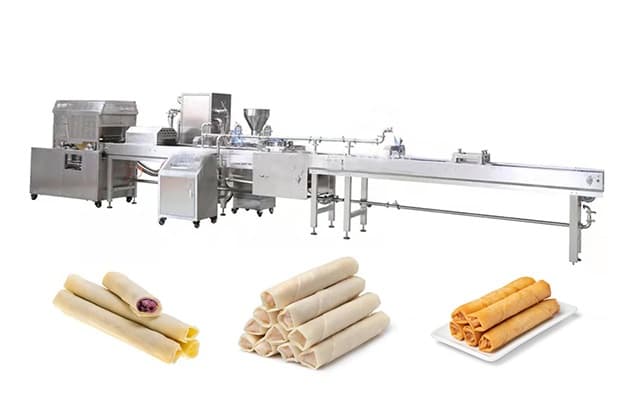
2. "Muvofiq" Spring Roll mashinasining frantsuz ta'rifini tushunish
Frantsiyada, prujina ishlab chiqaruvchi mashina faqat unumdorlikka qarab baholanmaydi. a sifatida baholanadi oziq-ovqat bilan aloqa qiladigan sanoat tizimi, Evropa Ittifoqi va milliy qoidalarga bo'ysunadi.
Mos keladigan mashina bir vaqtning o'zida qondirishi kerak:
- Oziq-ovqat xavfsizligi qonunlari
- Elektr va mexanik xavfsizlik
- Gigiena dizayn tamoyillari
- Atrof-muhit va energiya qoidalari
Frantsuz xaridorlari so'ramaydilar “Mashina qanchalik tez?" birinchi.
— deb so‘rashadi “Bu mashina Frantsiyada qonuniy va tekshirilishi mumkinmi??"
3. Asosiy Yevropa Ittifoqi & Spring Roll mashinalari uchun frantsuz standartlari
3.1 Idoralar belgisi (Majburiy)
Frantsiyaga eksport qilinadigan har qanday prujina tayyorlash mashinasi olib yurishi kerak CE Sertifikatlash, qoplama:
- Mashina bo'yicha direktiv 2006/42/EC
- Past kuchlanish direktivasi (LVD)
- Elektromagnit moslik (EMC)
CE stiker emas. Bu a texnik muvofiqlik tizimi shu jumladan:
- Xavf-xatarni baholash
- Texnik fayl
- Muvofiqlik deklaratsiyasi
3.2 Oziq-ovqat bilan aloqa qiluvchi materiallar qoidalari
Barcha qismlar teginish:
- Guruch qog'ozi
- To'ldirishlar
- Yog 'yoki namlik
Muvofiq bo'lishi kerak:
- EC 1935/2004
- EI 10/2011 (plastmassalar uchun, Agar kerak bo'lsa)
Bu odatda talab qiladi:
- Sys304 yoki Sys316 zanglamaydigan po'lat
- FDA yoki Evropa Ittifoqi oziq-ovqat mahsuloti kamarlari
- Galvanizli yoki bo'yalgan oziq-ovqat bilan aloqa qiladigan yuzalar yo'q
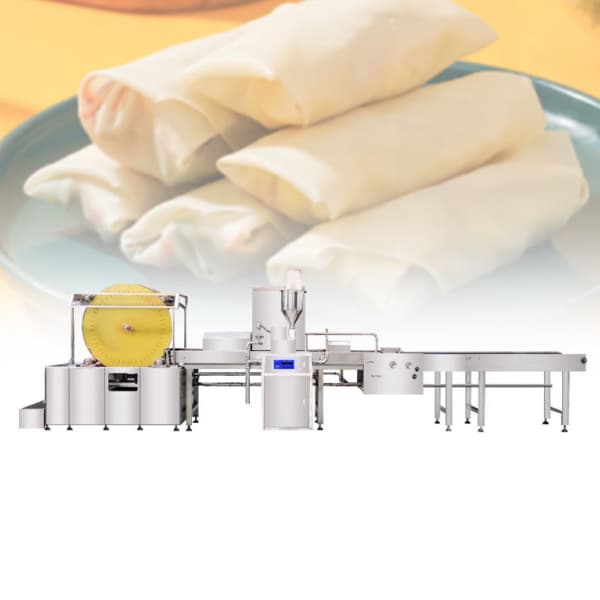
3.3 Frantsiya gigienasiga bo'lgan talablar (O'rtacha Evropa Ittifoqidan yuqori)
Frantsuz inspektorlari gigiena dizaynini qat'iy talqin qilishlari bilan mashhur, shu jumladan:
- Silliq payvandlar (o'lik burchaklar yo'q)
- Asboblarsiz oson demontaj qilish
- To'liq yuvish mosligi
- Oziq-ovqat zonalari yaqinida ochiq iplar yo'q
Boshqa Evropa Ittifoqi mamlakatlarida o'tadigan mashina hali ham bo'lishi mumkin Frantsiyada rad etilgan agar gigiena tafsilotlari e'tibordan chetda qolsa.
4. "Fransuz-standart" Spring Roll ishlab chiqarish aslida nimani anglatadi
Frantsuz bahor rulo ishlab chiqaruvchilari odatda ishlab chiqaradilar bahor rulolari, bu boshqa bozorlardan farq qiladi.
Mahsulotning asosiy xususiyatlari:
- Yupqa guruch qog'ozi
- Yuqori namlik plomba moddalari
- Qattiq prokat tuzilishi
- Bir xil uzunlik va diametr
- Yuqori muzlash barqarorligi
Shu sababli, Frantsiya uchun prujina ishlab chiqarish mashinasi yetkazib berishi kerak aniqlik va izchillik, nafaqat tezlik.
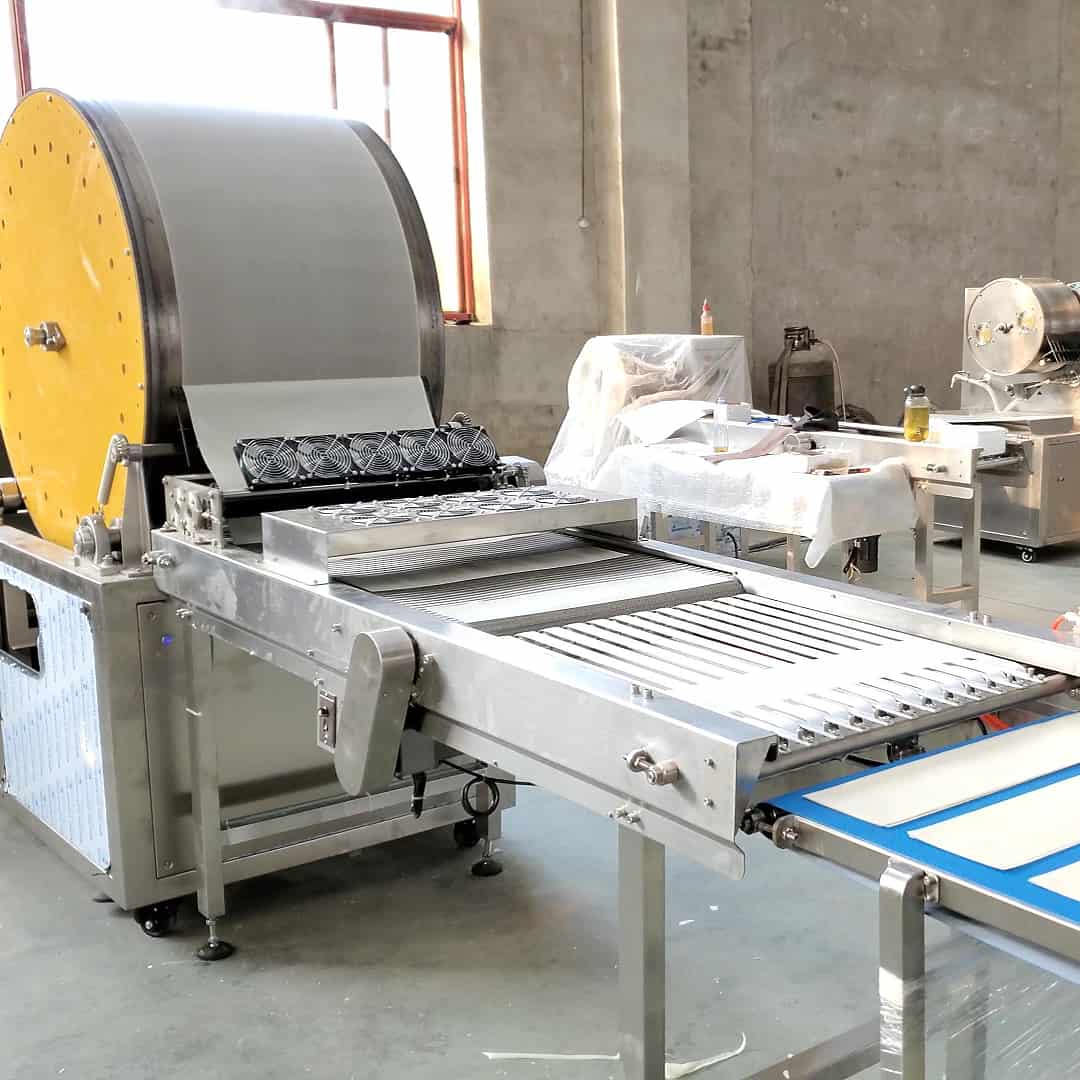
5. Frantsuz standartidagi Spring Roll mashinasining funktsional buzilishi
Parametrlarni ro'yxatga olish o'rniga, bu bo'lim tushuntiradi frantsuz xaridorlari har bir modulni qanday baholashadi.
5.1 Guruch qog'ozini oziqlantirish tizimi
Fransuz protsessorlari afzal ko'radi:
- Uzluksiz guruch qog'oz varag'ini oziqlantirish
- Avtomatik kuchlanishni boshqarish
- Namlikka chidamli qog'oz bilan ishlash
Tanqidiy talablar:
- Yirtilish yo'q
- Qog'ozning qisqarishi yo'q
- Past tezlikda barqaror oziqlantirish
Qalin bug'doy o'rash uchun mo'ljallangan mashinalar ko'pincha bu erda muvaffaqiyatsizlikka uchraydi.
5.2 Porsiyalarni to'ldirish tizimi
Porsiyaning aniqligi a huquqiy va tijorat muammosi Frantsiyada.
Talablar:
- Og'irligi og'ishi ≤ ±2%
- Doimiy to'ldirish taqsimoti
- Yig'ish paytida oqish yo'q
Ko'pchilik frantsuz xaridorlari talab qiladi:
- Servo nazorat ostida to'ldirish
- Ko'p komponentli muvofiqlik
- Retseptlar orasida oson tozalash
5.3 Rolling va buklama mexanizmi
Nems uchun, katlama bo'lishi kerak:
- Qattiq
- Simmetrik
- Havo cho'ntaklarisiz
Frantsuz ishlab chiqaruvchilari ko'pincha tizimli barqarorlikni baholash uchun mahsulotlarni muzlatish va qovurish orqali mashinalarni sinovdan o'tkazadilar..
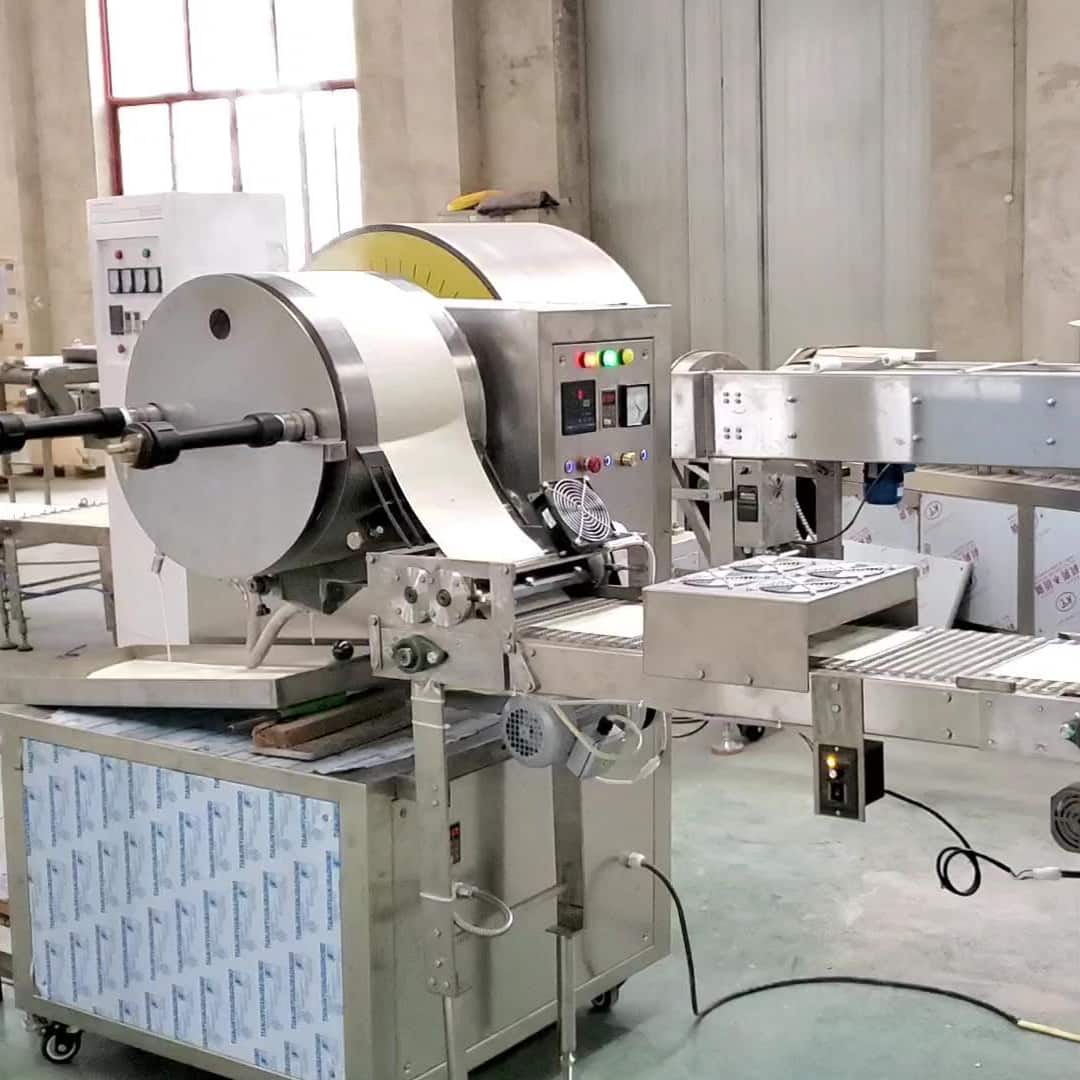
5.4 Kesish va uzunlikni nazorat qilish
Standart frantsuz nem o'lchamlari:
- 90uzunligi - 110 mm
- Bir xil chekka muhrlash
Mashinalar taklif qilishi kerak:
- Sozlanishi kesish uzunligi
- Toza, buzilmagan qirralar
- Guruch qog'ozining minimal yorilishi
6. Frantsiyalik xaridorlar tomonidan afzal ko'rilgan avtomatlashtirish darajasi
Fransuz fabrikalari odatda tushadi o'rtadan yuqorigacha avtomatlashtirish, juda arzon tizimlar emas.
Afzal konfiguratsiya:
- Avtomatik shakllantirish
- Yarim avtomatik yuklash
- Qo'lda sifatni tekshirish stantsiyalari
Nima uchun?
- Ish haqi yuqori
- Mahsulot sifati moslashuvchan bo'lib qolishi kerak
- To'liq avtomatlashtirish ko'pincha kerak emas
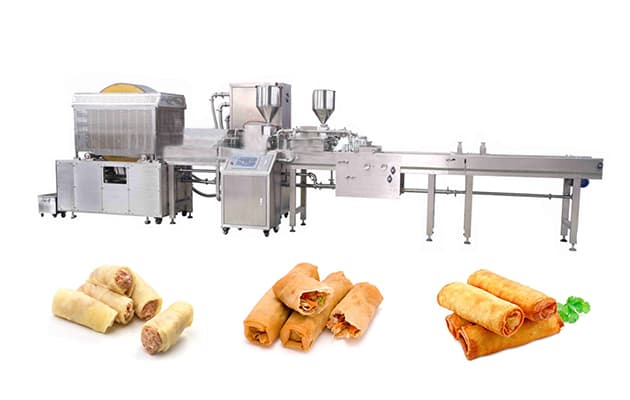
7. Oddiy texnik parametrlar (Bozor realistik)
Ideallashtirilgan spetsifikatsiyalar o'rniga, Quyida frantsuz xaridorlari aslida qabul qiladigan narsa:
- Sig'im: 2,000-6000 dona/soat
- Quvvatlantirish manbai: 380V / 50Hz / 3 faza
- Nazorat tizimi: Plek + sensorli ekran (Fransuz tili afzal)
- Materiallar: Sys304 (minimal)
- Shovqin darajasi: <75 db
Yuqori natijalarni haddan tashqari va'da qilish ko'pincha ishonchni pasaytiradi.
8. Frantsiyadagi Spring Roll mashinalari uchun elektr standartlari
Elektr mosligi muzokara qilib bo'lmaydi.
Asosiy fikrlar:
- Shnayder / Siemens komponentlariga afzallik beriladi
- To'liq topraklama tizimi
- Bir nechta nuqtalarda favqulodda to'xtatish tugmalari
- Qulflanadigan elektr shkafi
Noma'lum elektr markalari bo'lgan mashinalar darhol rad etilishiga duch keladi.
9. Frantsiya importchilari tomonidan talab qilinadigan hujjatlar
Frantsiyaga jo'natilgan prujina ishlab chiqarish mashinasi bilan birga bo'lishi kerak:
- Idoralar muvofiqlik deklaratsiyasi
- Elektr sxegi
- Mexanik chizmalar
- Foydalanuvchi uchun qo'llanma (Frantsuz tiliga afzallik beriladi)
- Ta'mirlash bo'yicha ko'rsatmalar
- Ehtiyot qismlar ro'yxati
To'liq bo'lmagan hujjatlar bojxona kechikishlarining keng tarqalgan sababidir.
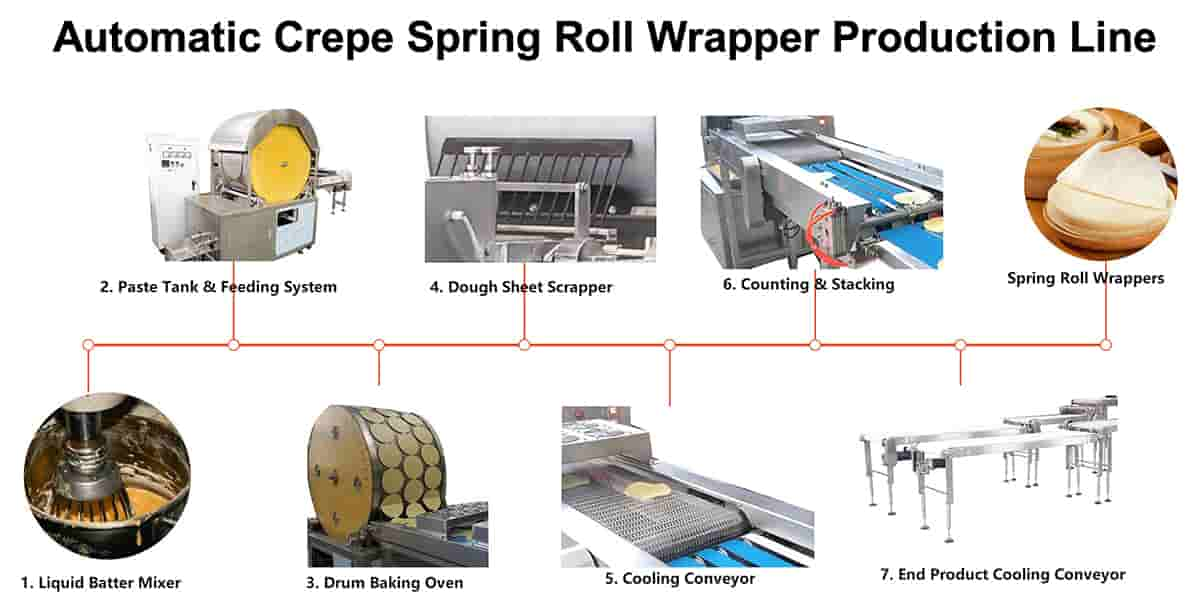
10. O'rnatish & Frantsiyada foydalanishga topshirilgan kutishlar
Frantsuz mijozlari tobora ko'proq talab qilmoqda:
- Masofadan ishga tushirishni qo'llab-quvvatlash
- Video bo'yicha o'rnatish
- Saytdagi texnik variant (afzal, lekin majburiy emas)
Ular kutishadi:
- O'rnatish chizmalarini aniqlang
- Belgilangan javobgarlik chegaralari
- Ishga tushirishni tekshirish ro'yxati
11. Sotishdan keyingi xizmat: Frantsiyada hal qiluvchi omil
Frantsiyada, sotishdan keyingi xizmat mashina narxidan ustun turadi.
Xaridor baholaydi:
- Javob vaqti
- Ehtiyot qismlar mavjudligi
- Ingliz yoki frantsuz texnik yordami
- Kafolat shartlarini aniqlang
Sotishdan keyingi tuzilgan tizimlarga ega bo'lmagan etkazib beruvchilar kamdan-kam hollarda takroriy buyurtmalarni kafolatlaydi.
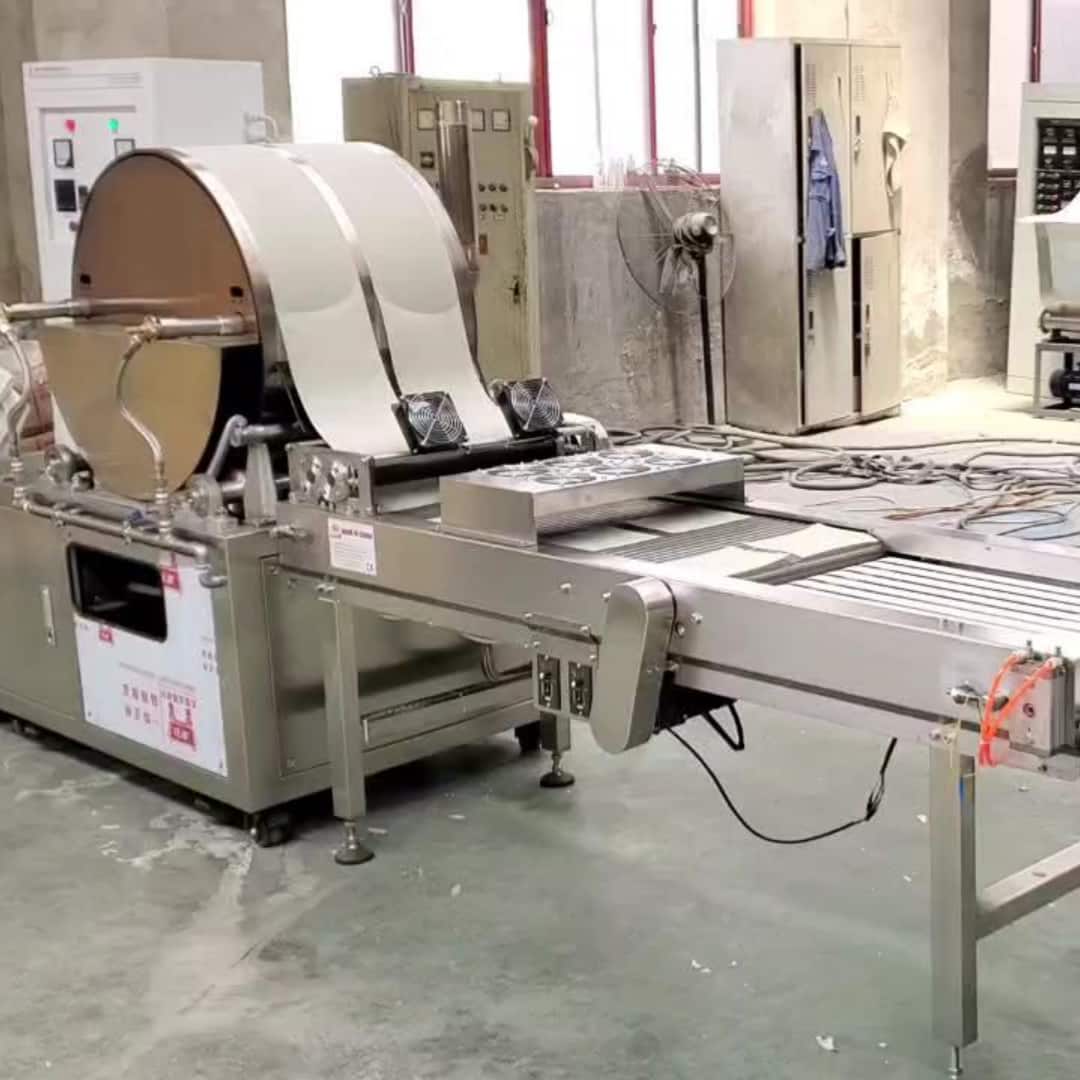
12. Spring Roll mashinalarini Frantsiyaga eksport qilishda keng tarqalgan xatolar
- Idoralar ixtiyoriy deb faraz qilish
- Oziq-ovqat bo'lmagan konveyer lentalaridan foydalanish
- Frantsiyaning gigiena talablarini e'tiborsiz qoldirish
- Ishlab chiqarish quvvatini oshirib yuborish
- Faqat ingliz tilidagi qo'llanmalar bilan ta'minlash
- Ehtiyot qismlar strategiyasi yo'q
Ushbu xatolar ko'pincha muzokaralar bosqichida qaytarib bo'lmaydi.
13. Logistika & Frantsiya uchun qadoqlash
Frantsuz importchilari afzal ko'rishadi:
- ISPM 15 mos keladigan yog'och qutilar
- Elektr shkaflari uchun zarbadan himoya qilish
- Namlikka chidamli o'rash
Tashish paytida shikastlangan mashinalar ko'pincha oqibatlarga olib keladi to'liq da'vo bahslari, aybiga qaramasdan.
14. Frantsiyada Spring Roll mashinalarini kim sotib oladi?
Asosiy xaridor profillari:
- Muzlatilgan oziq-ovqat ishlab chiqaruvchilari
- Osiyo oziq-ovqat mahsulotlarini qayta ishlash zavodlari
- Ovqatlanish uchun ingredientlarni etkazib beruvchilar
- OEM oziq-ovqat brendlari
Har bir profil turli xil mashina xususiyatlarini qadrlaydi, lekin rioya qilish universaldir.
15. Frantsiyada uzoq muddatli bozor istiqbollari
Haydovchilarni talab qilish:
- Muzlatilgan tayyor ovqatlarning o'sishi
- Osiyo oshxonasining kengayishi
- Shaxsiy yorliqli mahsulotlarning chakana savdosi
Trend yo'nalishi:
- O'rta quvvatli mashinalar
- Yuqori gigiena standartlari
- Mehnatga bog'liqlikni kamaytirish
Ushbu tendentsiyalarga mos keladigan etkazib beruvchilar uzoq muddatli bozorga kirish huquqiga ega.
16. Frantsiyaga yetkazib berishdan oldin yakuniy mulohazalar
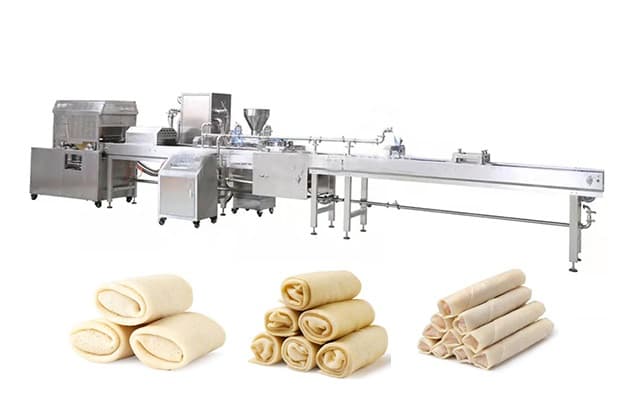
Frantsiyaga eksport qilinadigan prujina ishlab chiqaruvchi mashina sifatida qarash kerak:
Tartibga solingan oziq-ovqat mahsulotlarini qayta ishlash tizimi, oddiy shakllantirish mashinasi emas.
Frantsiyadagi muvaffaqiyat bunga bog'liq:
- Muvofiqlik
- Shaffoflik
- Texnik ishonchlilik
- Uzoq muddatli xizmat ko'rsatish majburiyati
Frantsiya standartlariga moslashgan etkazib beruvchilar nafaqat Frantsiyaga kiradilar -
qulfni ochadilar butun Evropa Ittifoqi bozori.