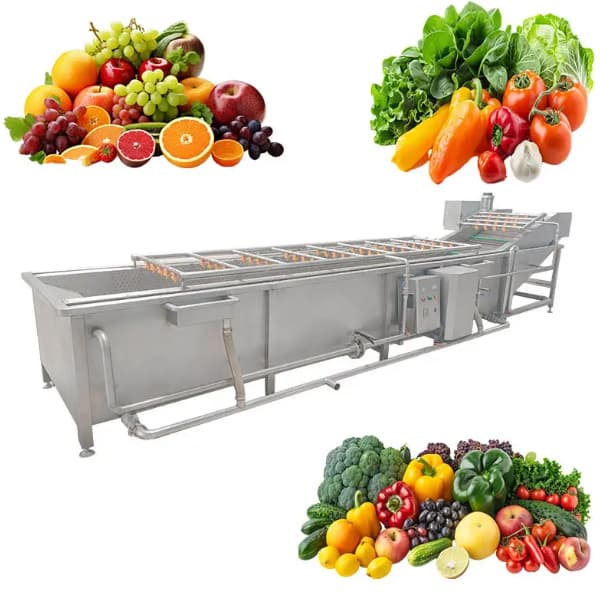
Qayta ishlangan meva va sabzavotlarga global talab ortib bormoqda, chunki iste'molchilar sog'lomroq bo'lishga intiladi, xavfsiz, va yanada qulayroq oziq-ovqat mahsulotlari. Zamonaviy oziq-ovqat fabrikalari samaradorlikni oshirish uchun meva va sabzavotlarni qayta ishlash ilg'or liniyalariga tayanadi, mahsulot sifatini saqlab qolish, Mehnat xarajatlarini kamaytirish, va xalqaro oziq-ovqat xavfsizligi standartlariga javob beradi.
To'liq ishlov berish liniyasi yuvish bilan shug'ullanishi mumkin, saralash, po'choq, kesish, g'alayon, Quritish, muzlash, qovurish, qadoqlash, va saqlash. Ushbu tizimlar muzlatilgan sabzavotlarni ishlab chiqarishda keng qo'llaniladi, meva sharbatlari, Quritilgan mevalar, soslar, konservalangan mahsulotlar, atıştırmalıklar, va tayyor ovqatlar.
Meva va sabzavotlarni qayta ishlashga kirish
Meva va sabzavotlarni qayta ishlash yangi qishloq xo'jaligi mahsulotlarini uzoqroq saqlash muddati va bozor qiymati yuqori bo'lgan oziq-ovqat mahsulotlariga sanoatda aylantirishni anglatadi.. Qayta ishlash texnologiyalari yangilikni saqlashga yordam beradi, oziq-ovqat xavfsizligini yaxshilash, va tashish va saqlash uchun qulay mahsulotlar yaratish.
Yangi mahsulot juda tez buziladi. To'g'ri ishlov bermasdan, meva va sabzavotlar tashish va saqlash vaqtida tez buzilishi mumkin. Shu sababli, qayta ishlash korxonalari mahsuldorlikni oshirish bilan birga sifatni saqlab qolish uchun maxsus texnika va avtomatlashtirilgan tizimlardan foydalanadi.
Bugun, oziq-ovqat ishlab chiqaruvchilari turli xil mahsulotlarni qayta ishlashadi, shu jumladan:
- Muzlatilgan frantsuz kartoshkasi
- Kartoshka chiplari
- Muzlatilgan sabzavotlar
- Pomidor pastasi
- Meva pyuresi
- Mevali sharbat
- Sarimsoq pastasi
- Piyoz bo'laklari
- Quritilgan mevalar
- Sabzavot kukunlari
- Pishirish uchun tayyor sabzavot aralashmalari
Sanoatni qayta ishlash liniyalari uzluksiz ishlab chiqarish uchun mo'ljallangan va soatiga bir necha yuz kilogrammdan kuniga o'nlab tonnagacha bo'lgan quvvatlarda ishlashi mumkin..
Meva va sabzavotlarni qayta ishlashning ahamiyati
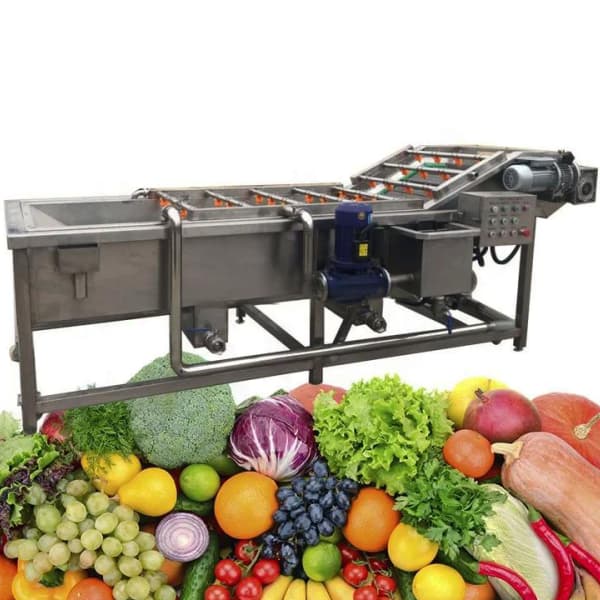
Oziq-ovqat sanoati global qishloq xo'jaligi iqtisodiyotida muhim rol o'ynaydi. Zamonaviy qayta ishlash texnologiyalari yil davomida mahsulot mavjudligini oshirish bilan birga oziq-ovqat chiqindilarini kamaytirishga yordam beradi.
Yaroqlilik muddatini uzaytirish
Yangi meva va sabzavotlar yig'ib olingandan keyin tezda buziladi. Muzlatish kabi ishlov berish usullari, Quritish, konservalash, va pasterizatsiya saqlash vaqtini sezilarli darajada uzaytiradi.
Mahsulot qiymatini oshirish
Qayta ishlash qishloq xo‘jaligi mahsulotlarining tijorat qiymatini oshiradi. Masalan:
- Yangi kartoshka muzlatilgan kartoshka yoki chiplarga aylanadi
- Pomidorlar ketchup yoki tomat pastasiga aylanadi
- Yangi mango sharbat yoki quritilgan mevali gazaklarga aylanadi
Qayta ishlangan mahsulotlar odatda qishloq xo'jaligi xom ashyosidan ko'ra ko'proq foyda keltiradi.
Oziq-ovqat xavfsizligini takomillashtirish
Sanoatni qayta ishlash tizimlari nazorat ostida yuvish orqali ifloslanish xavfini kamaytiradi, sterilizatsiya, va gigienik qadoqlash tartib-qoidalari.
O'rim-yig'imdan keyingi yo'qotishlarni kamaytirish
Yangi mahsulotlarning katta qismi tashish va saqlash vaqtida yo'qoladi. Qayta ishlash chiqindilarni kamaytirishga va resurslardan foydalanishni yaxshilashga yordam beradi.
Iste'molchi talabini qondirish
Iste'molchilar borgan sari minimal tayyorlash vaqtini talab qiladigan qulay ovqatlarni afzal ko'rishadi. Qayta ishlangan meva-sabzavot mahsulotlari zamonaviy turmush tarziga juda mos keladi.
Meva va sabzavotlarni qayta ishlashda ishlatiladigan asosiy uskunalar
Zamonaviy meva-sabzavotlarni qayta ishlash korxonalarida keng turdagi maxsus jihozlardan foydalaniladi. Har bir mashina ishlab chiqarish liniyasida ma'lum bir vazifani bajaradi.
Xom ashyoni qabul qilish tizimlari
Ishlab chiqarish jarayoni xom ashyoni tashish va oziqlantirish tizimlaridan boshlanadi.
Umumiy uskunalar o'z ichiga oladi:
- Tasmali konveyerlar
- Paqirli liftlar
- Rolikli konveyerlar
- Vibratsiyali oziqlantiruvchilar
Ushbu tizimlar qo'l mehnatini kamaytirish va mahsulotning shikastlanishini minimallashtirish bilan birga mahsulotlarni samarali tashiydi.
Oziq-ovqat zanglamaydigan po'latdan odatda foydalaniladi, chunki u gigienik hisoblanadi, bardoshli, va korroziyaga chidamli.
Kir yuvish moshinalari
Yuvish oziq-ovqat mahsulotlarini qayta ishlashning eng muhim bosqichlaridan biridir, chunki yangi mahsulotlar ko'pincha axloqsizlikni o'z ichiga oladi, bakteriyalar, pestitsidlar, Toshlar, va o'simlik qoldiqlari.
Mahsulot turiga qarab turli xil yuvish tizimlari qo'llaniladi.
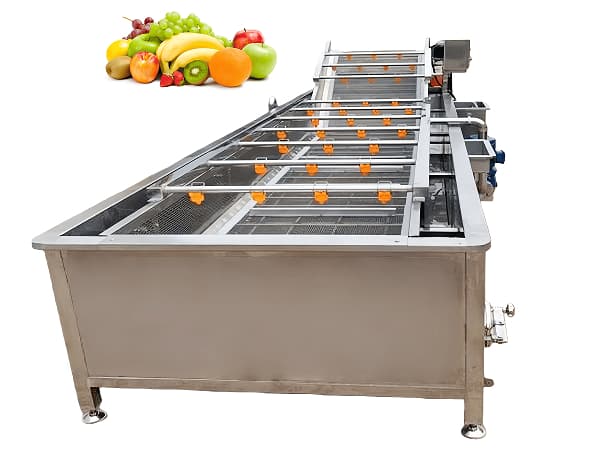
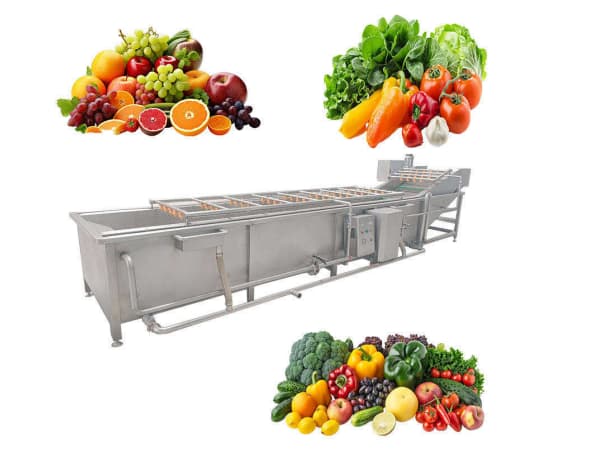
Pufakchali kir yuvish mashinasi
Pufakchali yuvish tizimlari nozik meva va sabzavotlarni yumshoq tozalash uchun havo pufakchalari va aylanma suvdan foydalanadi..
Tegishli mahsulotlar qatoriga kiradi:
- Sutcho'p
- Ismaloq
- Olma
- Pomidorlar
- Qulupnay
Cho'tkasi rolikli kir yuvish mashinasi
Cho'tkasi yuvish mashinalari ildiz sabzavotlaridan axloqsizlik va qobig'ini olib tashlash uchun aylanadigan roliklardan foydalanadi.
Umumiy ilovalar o'z ichiga oladi:
- Kartoshka
- Sabzi
- kassava
- Shirin kartoshka
- Zanjabil
Spray yuvish tizimi
Yuqori bosimli buzadigan amallar tizimlari konveyerni tashish paytida mahsulotlarni samarali tozalaydi.
Ultrasonik yuvish uskunalari
Ultrasonik texnologiya yuqori sifatli oziq-ovqat mahsulotlari uchun ifloslantiruvchi moddalarni aniqroq olib tashlaydi.
Saralash va baholash mashinalari
Yuvilgandan keyin, mahsulotlar hajmiga qarab saralanadi, shakl, rang, va sifat.
Zamonaviy saralash texnologiyalari kiradi:
- Og'irligi o'lchagichlar
- Rolikli greyderlar
- Optik saralash tizimlari
- AI vizual tekshirish mashinalari
Avtomatlashtirilgan baholash mustahkamlikni yaxshilaydi va nuqsonli mahsulotlarni samarali ravishda yo'q qiladi.
Optik saralash tizimlari aniqlay oladi:
- Rang o'zgarishi
- Xorijiy materiallar
- Shikastlangan mahsulotlar
- O'lchamdagi o'zgarishlar
Bu yakuniy mahsulot ko'rinishini va qadoqlash sifatini yaxshilaydi.
Peeling uskunalari
Ko'pgina meva va sabzavotlar keyingi ishlov berishdan oldin peelingni talab qiladi.
Cho'tkali peeling mashinasi
Cho'tkasi tozalagichlar ishqalanish orqali yupqa tashqi terilarni olib tashlaydi.
Uchun mos:
- Kartoshka
- Sabzi
- Shirin kartoshka
Buxoriy peeling mashinasi
Buxoriy peeling tizimlari terini tezda bo'shatish uchun yuqori bosimli bug'dan foydalanadi.
Afzalliklarga quyidagilar kiradi:
- Kam moddiy yo'qotish
- Mahsulotning silliq yuzasi
- Yuqori tozalash samaradorligi
Pichoqni tozalash mashinasi
Mexanik pichoq tozalagichlar qalinroq qobiqli mevalar uchun ishlatiladi.
Ilovalar o'z ichiga oladi:
- Ananaslar
- Mangolar
- Olma
Kesish va kesish mashinalari
Kesish uskunalari mahsulotlarni muayyan shakl va o'lchamlarga aylantiradi.
Keng tarqalgan kesish uslublari o'z ichiga oladi:
- Dilimlar
- Kublar
- Chiziqlar
- Zar
- Parchalar
- Julienne kesadi
Kartoshka kesish mashinasi
Frantsuz kartoshka va kartoshka lentasi ishlab chiqarish uchun ishlatiladi.
Sabzavotlarni maydalash mashinasi
Piyoz uchun javob beradi, sabzi, qalampir, bodring, va shunga o'xshash mahsulotlar.
Mevalarni kesish mashinasi
Olma uchun keng qo'llaniladi, banan, limon, va mango.
Bir xil kesish yaxshilanadi:
- Pishirishning mustahkamligi
- Mahsulot ko'rinishi
- Qadoqlash samaradorligi
- Ishlab chiqarish tezligi
Blanching uskunalari
Blanching - bu issiq suv yoki bug' yordamida qisqa muddatli issiqlik bilan ishlov berish jarayoni.
Bu qadam yordam beradi:
- Fermentlarni faolsizlantirish
- Tabiiy rangni saqlang
- Teksturani yaxshilang
- Mikroblarning ifloslanishini kamaytiring
Blanching odatda oldin qo'llaniladi:
- Muzlash
- Quritish
- Qovurmoq
Umumiy oqartirish tizimlari
- Issiq suv oqartirgichlar
- Bug 'blancherlari
- Uzluksiz oqlash mashinalari
Muzlatilgan sabzavot zavodlarida doimiy oqartirish tizimlari keng qo'llaniladi.
Sovutish tizimlari
Oqartirish yoki pishirishdan keyin, haddan tashqari pishmaslik uchun mahsulotlar tezda sovutilishi kerak.
Sovutish tizimlari o'z ichiga oladi:
- Sovuq suv sovutish tanklari
- Havo sovutish tunnellari
- Muzli suvni sovutish tizimlari
Tez sovutish mahsulot tuzilishi va oziq-ovqat xavfsizligini ta'minlaydi.
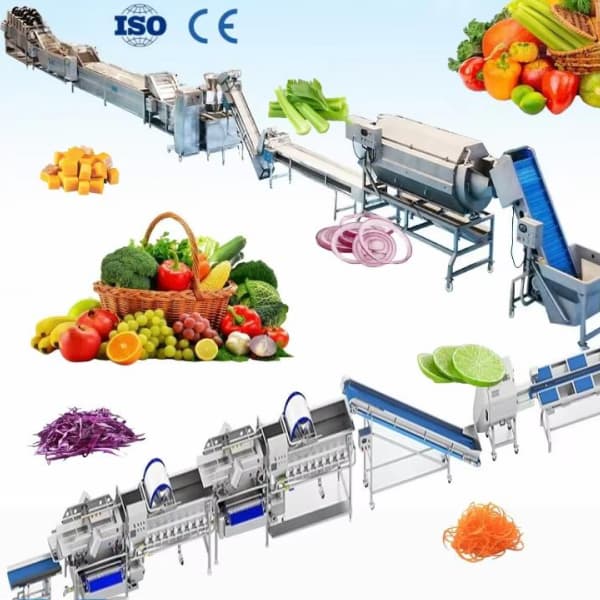
Suvsizlantirish va quritish uskunalari
Ortiqcha namlikni olib tashlash mahsulot sifatini va qayta ishlash samaradorligini oshiradi.
Vibratsiyali suvsizlantirish mashinasi
Yuzaki suvlarni olib tashlash uchun tebranishdan foydalanadi.
Havo quritish mashinasi
Havo pichog'i tizimlari yuqori bosimli havo oqimi orqali namlikni olib tashlaydi.
Centrifugal devatering mashinasi
Yuqori tezlikda markazdan qochma kuchi suvni samarali ravishda olib tashlaydi.
Ushbu tizimlar muzlatishdan oldin muhim ahamiyatga ega, qovurish, yoki qadoqlash.
Qovurish uskunalari
Qovurish tizimlari gazak ishlab chiqarishda keng qo'llaniladi.
Mashhur qovurilgan mahsulotlar o'z ichiga oladi:
- Kartoshka chiplari
- fri kartoshkasi
- Qovurilgan piyoz
- Banan chiplari
- Sabzavotli atirlar
Uzluksiz qovurish mashinasi
Katta sanoat ishlab chiqarish uchun mo'ljallangan.
Vakuumli qovurish mashinasi
Vakuumli qovurish ozuqa moddalarini saqlab qolish uchun past haroratlardan foydalanadi, rang, va lazzat.
Murakkab qovurish tizimlari o'z ichiga oladi:
- Avtomatik moy filtrlash
- Haroratni boshqarish
- Uzluksiz oziqlantirish tizimlari
- Yog 'aylanma texnologiyasi
Muzlatish uskunalari
Muzlatilgan meva va sabzavot mahsulotlari tez muzlatish texnologiyasini talab qiladi.
IQF muzlatgichi
Individual Quick Frozen tizimlari mahsulotlarni katta bloklar o'rniga alohida muzlatib qo'yadi.
Umumiy IQF mahsulotlari kiradi:
- No'xat
- Makkajo'xori
- Qulupnay
- Mango kublari
- Brokkoli
Spiral muzlatgich
Spiral muzlatgichlar yirik fabrikalar uchun yuqori quvvatli uzluksiz muzlatish imkonini beradi.
Tez muzlatish yordam beradi:
- Oziq moddalarni saqlang
- Teksturani saqlang
- Muz kristallarining shakllanishini kamaytiring
- Yaroqlilik muddatini uzaytiring
Sharbatni qayta ishlash uskunalari
Meva sharbatini ishlab chiqarish maxsus texnikani talab qiladi.
Odatda sharbatni qayta ishlash uskunalari o'z ichiga oladi:
- Meva maydalagichlar
- Pulpalash mashinalari
- Sharbat chiqargichlar
- Filtrlash tizimlari
- Gomogenizes
- Pasterizatorlar
- To'ldirish mashinalari
Umumiy sharbat mahsulotlari o'z ichiga oladi:
- Olma sharbati
- Apelsin sharbati
- Mango sharbati
- Ananas sharbati
- Pomidor sharbati
Pasterizatsiya saqlash muddatini uzaytirish bilan birga mikrob xavfsizligini ta'minlaydi.
Quritish uskunalari
Quritish tizimlari uzoq muddatli saqlash uchun mahsulot namligini kamaytiradi.
Issiq havo quritgich
Sabzavot va mevalarni suvsizlantirishda keng qo'llaniladi.
Muzlatib quritgich
Muzlatib quritish ozuqa moddalarini saqlaydi, to'qima, va samarali ta'm beradi.
Mikroto'lqinli quritgich
Tez va energiya tejamkor quritishni ta'minlaydi.
Umumiy quritilgan mahsulotlar o'z ichiga oladi:
- Sarimsoq bo'laklari
- Piyoz kukuni
- Quritilgan mango
- Banan chiplari
- Sabzavot kukuni
Qadoqlash mashinalari
Qadoqlash oziq-ovqat mahsulotlarini tashish va saqlash vaqtida himoya qiladi.
Ommabop qadoqlash formatlari o'z ichiga oladi:
- Vakuumli sumkalar
- Yostiq sumkalar
- Idishlar
- Bankalar
- Sumka
- Plastik tovoqlar
Qadoqlash uskunalari o'z ichiga olishi mumkin:
- Ko'p boshli tarozilar
- Vertikal qadoqlash mashinalari
- Vakuumli muhrlash tizimlari
- Shishani to'ldirish mashinalari
- Yorliqlar mashinalari
Avtomatlashtirilgan qadoqlash tizimlari mehnat xarajatlarini va ifloslanish xavfini kamaytiradi.
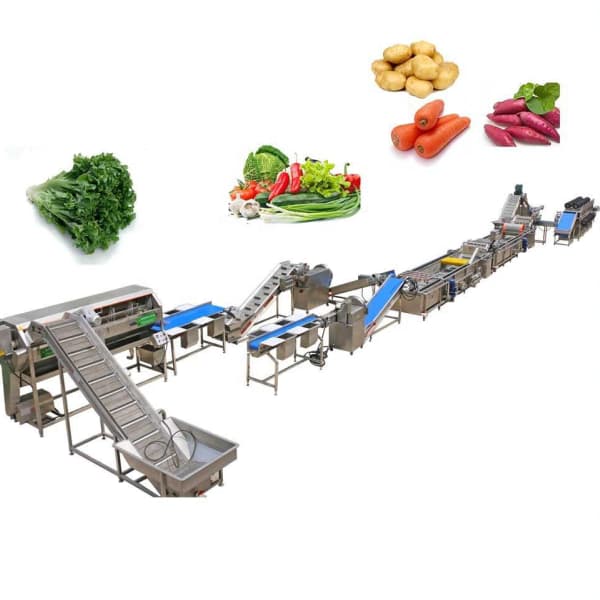
Meva va sabzavotlarni qayta ishlash liniyasida ishlab chiqarish bosqichlari
Garchi turli mahsulotlar turli texnologiyalarni talab qilsa-da, ko'pchilik ishlov berish liniyalari shunga o'xshash ish jarayoniga amal qiladi.
Xom ashyo tanlash
Yuqori sifatli tayyor mahsulot ishlab chiqarish uchun yuqori sifatli xom ashyo zarur.
Ishlab chiqaruvchilar tekshiradilar:
- Tazelik
- Pishganlik
- Hajmi
- Rang
- Yuzaki holati
Shikastlangan yoki buzilgan mahsulotlar ishlov berishdan oldin olib tashlanadi.
Yuvish va tozalash
Kabi ifloslantiruvchi moddalarni olib tashlash uchun mahsulotlar yaxshilab yuviladi:
- Tuproq
- Chang
- Pestitsidlar
- Toshlar
- O'simlik qoldiqlari
Ba'zi zavodlar tozalash samaradorligini oshirish uchun bir nechta yuvish bosqichlaridan foydalanadi.
Saralash va baholash
Mahsulotlar hajmi va sifat standartlariga muvofiq saralanadi.
Avtomatlashtirilgan tizimlar samaradorlikni oshiradi va mahsulotning mustahkamligini ta'minlaydi.
Po'choq
Terini olib tashlashni talab qiladigan mahsulotlar peeling uskunasiga kiradi.
Ushbu bosqich umumiy hisoblanadi:
- Kartoshka
- Sarimsoq
- Piyoz
- Mangolar
- Olma
Kesish yoki maydalash
Mahsulotlar kerakli shakllarda kesiladi yoki sharbat olish uchun maydalanadi.
Yagona kesish quyi oqimdagi ishlov berish ish faoliyatini yaxshilaydi.
Oqartirish yoki oldindan ishlov berish
Issiqlik bilan ishlov berish mahsulotni keyingi qayta ishlashdan oldin barqarorlashtiradi.
Ba'zi mevalar tashqi ko'rinishini saqlab qolish uchun qorayishga qarshi davo ham oladi.
Asosiy ishlov berish operatsiyasi
Keyingi bosqich yakuniy mahsulotga bog'liq.
Bunga misollar kiradi:
- Kartoshka chiplari uchun qovurish
- Sabzavot kukuni uchun quritish
- IQF sabzavotlari uchun muzlatish
- Meva sharbati uchun pasterizatsiya
Sovutish
Mahsulotlar qadoqlashdan oldin tez sovutiladi.
Bu qadam oziq-ovqat xavfsizligini yaxshilaydi va teksturani saqlaydi.
Qadoqlash
Tayyor mahsulotlar avtomatlashtirilgan qadoqlash tizimlari yordamida muhrlanadi.
To'g'ri qadoqlash ifloslanishning oldini oladi va saqlash muddatini uzaytiradi.
Saqlash va tarqatish
Mahsulotlar nazorat qilinadigan sharoitlarda saqlanadi.
Saqlash usullari quyidagilarni o'z ichiga oladi:
- Muzlatilgan omborlar
- Sovutgichli saqlash
- Quruq saqlash xonalari
Haroratni boshqarish oziq-ovqat sifatini saqlash uchun juda muhimdir.
Zamonaviy qayta ishlash korxonalarida avtomatlashtirish
Avtomatlashtirish oziq-ovqat sanoatini sezilarli darajada o'zgartirdi.
Zamonaviy qayta ishlash liniyalari kabi ilg'or texnologiyalardan foydalanadi:
- PLC boshqaruv tizimlari
- Sensorli ekran interfeyslari
- AI tekshirish tizimlari
- Robotik qadoqlash
- Iot monitoringi
Avtomatlashtirishning afzalliklari
Yuqori samaradorlik
Avtomatlashtirilgan tizimlar minimal uzilishlar bilan uzluksiz ishlaydi.
Mehnat xarajatlari kamayadi
Zavodlar kamroq qo'l ishchilarini talab qiladi.
Yaxshiroq mahsulot mustahkamligi
Mashinalar bir xil ishlov berish sifatini saqlab turadi.
Yaxshilangan gigiena
Odamlar bilan aloqa qilishning kamayishi ifloslanish xavfini kamaytiradi.
Ma'lumotlarni boshqarish osonroq
Raqamli tizimlar ishlab chiqarish yozuvlari va sifat nazorati ma'lumotlarini kuzatib boradi.
Oziq-ovqat xavfsizligi va gigiena standartlari
Meva va sabzavotlarni qayta ishlashda oziq-ovqat xavfsizligi muhim ahamiyatga ega.
Ko'pgina ishlab chiqaruvchilar kabi xalqaro standartlarga rioya qilishadi:
- Xakkalik
- Iso 22000
- Gmp
- FDA talablari
- CE Sertifikatlash
Gigienik uskunalarni loyihalash
Zamonaviy oziq-ovqat mahsulotlarini qayta ishlash mashinalari o'z ichiga oladi:
- Oziq-ovqat mahsulotlari zanglamaydigan po'latdan yasalgan qurilish
- Oson tozalash uchun silliq yuzalar
- CIP tozalash tizimlari
- Gigienik quvurlar tizimi
Bu xususiyatlar bakteriyalar ko'payishini kamaytiradi va sanitariya samaradorligini oshiradi.
Qayta ishlash korxonalarida energiya samaradorligi
Energiya xarajatlari oziq-ovqat ishlab chiqaruvchilari uchun asosiy muammo hisoblanadi.
Zamonaviy qayta ishlash korxonalari operatsion xarajatlarni kamaytirish uchun energiya tejovchi texnologiyalardan foydalanadi.
Umumiy energiya tejovchi echimlar
Issiqlikni qayta tiklash tizimlari
Ishlab chiqarish jarayonlaridagi chiqindi issiqlikni qayta ishlatish.
O'zgaruvchan chastotali drayverlar
Dvigatel energiya sarfini kamaytiring.
Samarali issiqlik izolyatsiyasi
Kam energiya yo'qotish bilan barqaror haroratni saqlang.
Smart avtomatlashtirish tizimlari
Mashinaning ishlashini avtomatik ravishda optimallashtirish.
Energiyani tejaydigan zavodlar ishlab chiqarish xarajatlarini kamaytirish bilan birga barqarorlikni yaxshilaydi.
Meva va sabzavotlarni qayta ishlash liniyalarining qo'llanilishi
Meva va sabzavotlarni qayta ishlash uskunalari ko'plab sohalarda keng qo'llaniladi.
Muzlatilgan sabzavot ishlab chiqarish
Umumiy mahsulotlar o'z ichiga oladi:
- Yashil no'xat
- Makkajo'xori yadrolari
- Brokkoli
- Sabzi
- Ismaloq
Kartoshkani qayta ishlash
Ommabop mahsulotlar o'z ichiga oladi:
- Muzlatilgan frantsuz kartoshkasi
- Kartoshka chiplari
- Kartoshka bo'laklari
Pomidorni qayta ishlash
Pomidorlar qayta ishlanadi:
- Pomidor pastasi
- Pomidor pyuresi
- Ketchup
- Pomidor sousi
Meva sharbati ishlab chiqarish
Zavodlar ishlab chiqaradi:
- Olma sharbati
- Mango sharbati
- Apelsin sharbati
- Ananas sharbati
Sarimsoq va piyozni qayta ishlash
Umumiy mahsulotlar o'z ichiga oladi:
- Sarimsoq pastasi
- Sarimsoq kukuni
- Qovurilgan piyoz
- Piyoz bo'laklari
To'g'ri ishlov berish liniyasini qanday tanlash mumkin
To'g'ri uskunani tanlash ishlab chiqarish maqsadlari va mahsulot talablariga bog'liq.
Ishlab chiqarish quvvati
Ishlab chiqaruvchilar kerakli ishlab chiqarish quvvatini aniqlashlari kerak.
Bunga misollar kiradi:
- 500 kg / h
- 1 tonna/soat
- 5 tonna/soat
- 10 tonna/soat
Mahsulot turi
Turli xil mahsulotlar turli xil qayta ishlash texnologiyalarini talab qiladi.
Muzlatilgan oziq-ovqat mahsulotlarini ishlab chiqarish muzlatish tizimlarini talab qiladi, quritilgan oziq-ovqat ishlab chiqarish esa suvsizlantirish uskunasini talab qiladi.
Avtomatlashtirish darajasi
Zavodlar o'rtasida tanlov qilishlari mumkin:
- Yarim avtomatik tizimlar
- To'liq avtomatik tizimlar
Zavod maydoni
Uskunalar sxemasi mavjud ustaxona maydoniga samarali mos kelishi kerak.
Byudjetni rejalashtirish
Investitsion xarajatlar quvvat va avtomatlashtirish darajasiga qarab o'zgaradi.
Mahalliy oziq-ovqat qoidalari
Uskunalar mintaqaviy oziq-ovqat xavfsizligi standartlari va sertifikatlash talablariga javob berishi kerak.
Meva va sabzavotlarni qayta ishlashning kelajakdagi tendentsiyalari
Jahon oziq-ovqat sanoati jadal rivojlanishda davom etmoqda.
Smart ishlab chiqarish
AI va IoT texnologiyalari tobora keng tarqalgan.
Barqaror ishlab chiqarish
Ishlab chiqaruvchilar kamaytirishga e'tibor berishadi:
- Suv iste'moli
- Energiyadan foydalanish
- Oziq-ovqat chiqindilari
O'simliklarga asoslangan oziq-ovqat o'sishi
Sabzavotli oziq-ovqat mahsulotlariga talab butun dunyo bo'ylab ortib bormoqda.
Ekologik toza qadoqlash
Biologik parchalanadigan va qayta ishlanadigan qadoqlash yechimlari tobora ommalashib bormoqda.
Ilg'or robototexnika
Robotik tizimlar ishlab chiqarish tezligini oshiradi va mehnatga bog'liqlikni kamaytiradi.
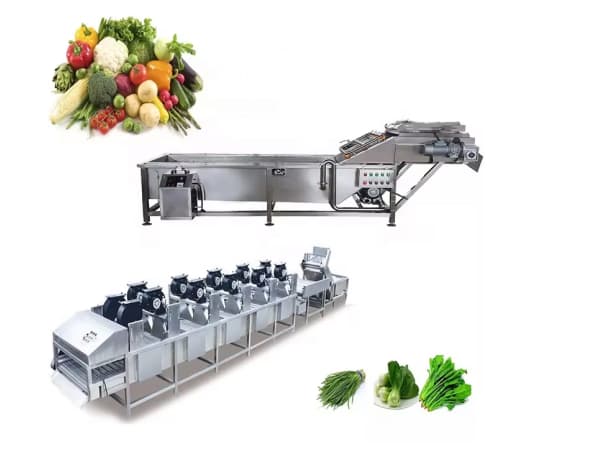
Meva va sabzavotlarni qayta ishlash liniyasi – Ishlab chiqaruvchi
Zamonaviy meva va sabzavotlarni qayta ishlash liniyalari bugungi oziq-ovqat sanoatida muhim rol o'ynaydi. Yuvish va saralashdan tortib tozalashgacha, kesish, muzlash, Quritish, qovurish, va qadoqlash, har bir qayta ishlash bosqichi mahsulot sifatiga hissa qo'shadi, Oziq-ovqat xavfsizligi, va ishlab chiqarish samaradorligi.
Iste'molchilarning qayta ishlangan oziq-ovqatga bo'lgan talabi ortib bormoqda, ishlab chiqaruvchilar ilg'or avtomatlashtirishga sarmoya kiritmoqda, gigienik uskunalar, va energiya tejamkor texnologiyalar. Yuqori sifatli qayta ishlash liniyalari zavodlarga samaradorlikni oshirishga yordam beradi, Chiqindilarni kamaytiring, va jahon bozorida raqobatbardoshlikni saqlab qolish.
Muzlatilgan sabzavotlarni ishlab chiqarishdan qat'i nazar, mevali sharbat, Quritilgan mevalar, soslar, yoki aperatif ovqatlar, to'g'ri meva va sabzavotlarni qayta ishlash uskunasini tanlash zamonaviy oziq-ovqat mahsulotlarini qayta ishlash sanoatida uzoq muddatli muvaffaqiyat uchun juda muhimdir.