
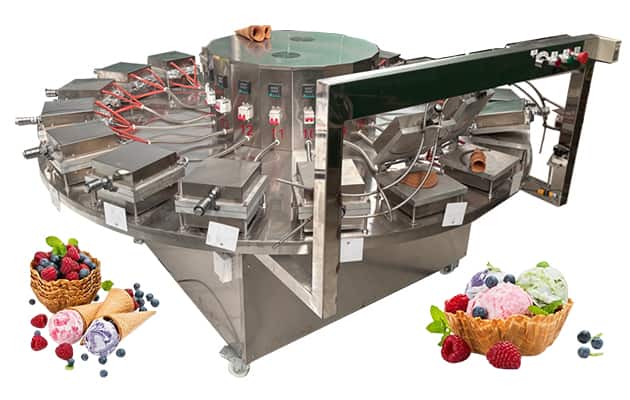
Ice cream is one of the most beloved desserts in the world, and the crunchy cone is an essential part of the experience. Behind every perfectly shaped waffle cone or sugar cone is a highly specialized piece of equipment—the Ice cream cone machine. In New Zealand, the demand for ice cream continues to grow thanks to the country’s strong dairy industry, tourism, and vibrant dessert culture. As a result, more businesses are investing in modern Ice cream cone machine technology to produce high-quality cones efficiently.
Ice cream cone machine market in New Zealand. We will explore how these machines work, their price range, types of cone manufacturing equipment, technical specifications, and how businesses in New Zealand can choose the right solution.
The Growing Ice Cream Industry in New Zealand
New Zealand is globally recognized for its premium dairy products. Fresh milk, cream, and butter produced in the country are widely used to create high-quality ice cream. With a strong domestic market and growing tourism, ice cream shops, dessert chains, and food manufacturers have expanded rapidly.
As the ice cream market grows, the demand for cone production equipment also increases. Many manufacturers now invest in an Ice cream cone machine to ensure stable supply and reduce dependence on imported cones.
Several factors are driving the demand for cone production machines in New Zealand:
- Rising number of ice cream shops and dessert cafes
- Growth of artisanal ice cream brands
- Increased tourism consumption
- Local food manufacturing expansion
- Demand for fresh waffle cones
Because of these trends, the Ice cream cone machine has become a key piece of equipment for ice cream manufacturers and dessert entrepreneurs.
What Is an Ice Cream Cone Machine?
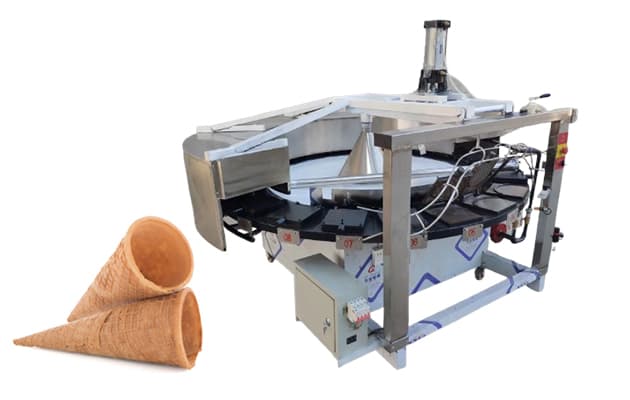
An Ice cream cone machine is specialized food processing equipment used to produce edible cones for ice cream. These machines automatically bake batter into thin wafers, shape them into cones, and cool them before packaging.
Most modern machines are fully automated and can produce thousands of cones per hour.
Main Production Process
The general process of an Ice cream cone machine includes the following steps:
- Batter Preparation
Ingredients such as flour, sugar, eggs, oil, and water are mixed to form a smooth batter. - Automatic Batter Feeding
The batter is pumped or poured into baking plates. - Baking
The machine uses heated molds to bake the batter into thin wafers. - Cone Forming
The baked wafer is rolled into a cone shape using a forming mold. - Cooling and Discharge
The cones cool down and are released from the machine. - Collection or Packaging
Finished cones are stacked and prepared for packaging.
Modern Ice cream cone machine systems can perform all these steps continuously.
Types of Ice Cream Cone Machines
There are several types of Ice cream cone machine models depending on production scale and cone type.
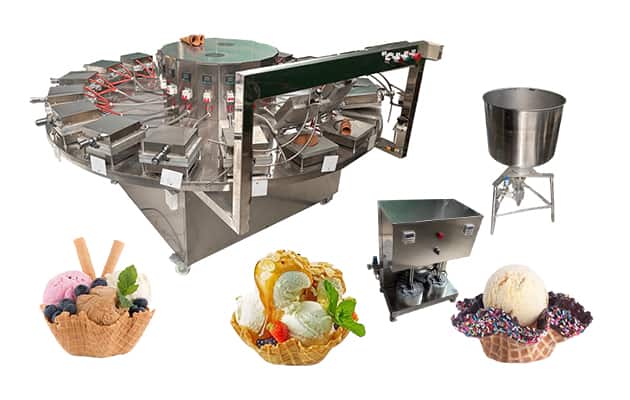
1. Waffle Cone Machine
This machine produces waffle cones with a crisp texture and distinctive grid pattern. These cones are popular in artisanal ice cream shops and premium dessert brands.
Key features:
- Larger cone size
- Crispy texture
- Hand-crafted appearance
- Premium product positioning
2. Sugar Cone Machine
Sugar cones are smaller and more uniform than waffle cones. They are commonly used in supermarkets and packaged ice cream products.
Advantages include:
- High production efficiency
- Consistent shape
- Long shelf life
3. Wafer Cone Machine
Wafer cones are thin and delicate cones commonly used for soft serve ice cream.
Features include:
- Thin wafer structure
- Light texture
- Efficient mass production
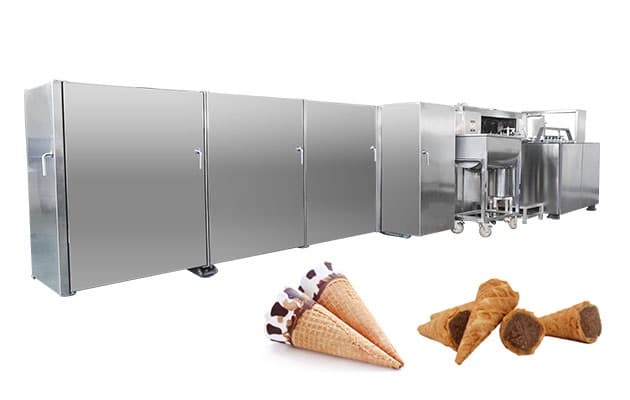
Automatic Ice Cream Cone Production Line
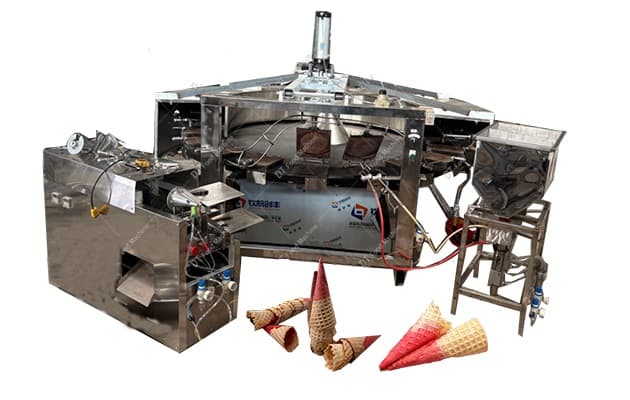
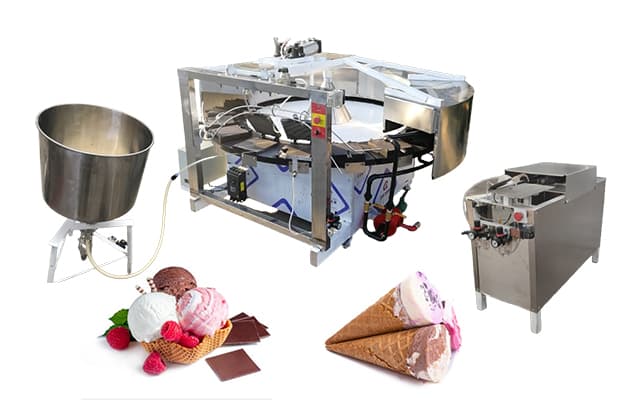
For medium and large factories in New Zealand, a complete Ice cream cone machine production line is often the best solution.
A full production line usually includes:
- Batter mixing system
- Automatic feeding device
- Rotary baking machine
- Cone rolling system
- Cooling conveyor
- Cone counting system
- Packaging equipment
This type of production line can operate continuously for 24 hours with minimal labor.
Technical Specifications of Ice Cream Cone Machine
Below is a typical specification table for an industrial Ice cream cone machine used by food manufacturers.
| Parameter | Specification |
|---|---|
| Production Capacity | 2500 – 7500 cones/hour |
| Heating Method | Electric or Gas |
| Plate Material | Cast Iron |
| Power Consumption | 15 – 40 kW |
| Machine Weight | 2000 – 5000 kg |
| Control System | PLC Automatic Control |
| Cone Size | 90 – 180 mm |
| Voltage | 220V / 380V |
| Cooling Method | Natural Cooling or Conveyor |
These parameters may vary depending on the model and production requirements.
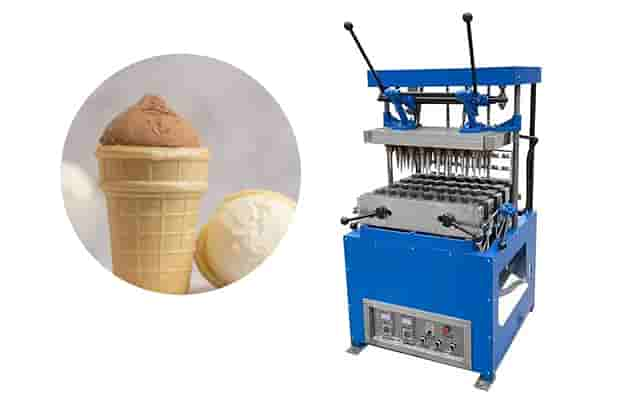
Ice Cream Cone Machine Price in New Zealand
The price of an Ice cream cone machine depends on several factors such as production capacity, automation level, and machine configuration.
Small Ice Cream Cone Machine
Suitable for small ice cream shops or startups.
Price range:
USD 3,000 – USD 10,000
Production capacity:
300 – 1000 cones per hour.
Medium Industrial Machine
Used by small factories or regional distributors.
Price range:
USD 10,000 – USD 40,000
Production capacity:
2000 – 4000 cones per hour.
Fully Automatic Production Line
Used by large food manufacturers.
Price range:
USD 50,000 – USD 150,000+
Production capacity:
5000 – 10,000 cones per hour.
Why Ice Cream Cone Machines Are Popular in New Zealand
Many businesses in New Zealand prefer producing cones locally rather than importing them. A modern Ice cream cone machine offers several advantages.
Lower Production Costs
Producing cones in-house reduces long-term purchasing costs and shipping expenses.
Fresher Products
Freshly baked cones have better flavor and crispness.
Custom Branding
Businesses can create unique cone designs and flavors.
Stable Supply Chain
Local production reduces dependence on overseas suppliers.
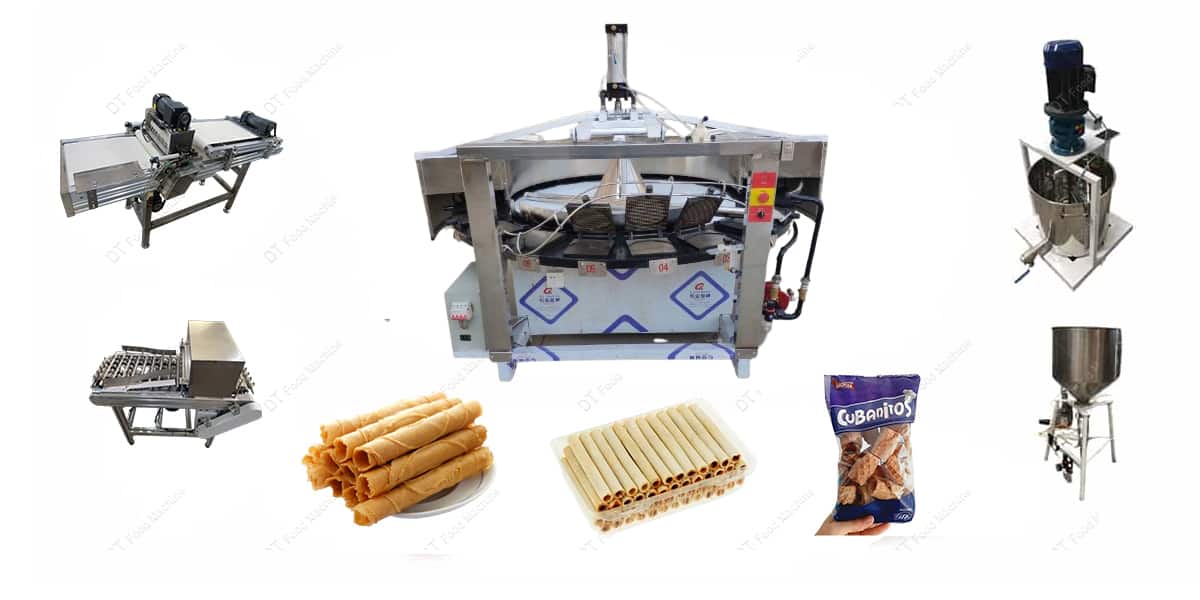
Key Features of Modern Ice Cream Cone Machines
Modern Ice cream cone machine technology has advanced significantly in recent years. Manufacturers focus on efficiency, automation, and hygiene.
Important features include:
PLC Intelligent Control
Most machines use PLC control systems to automate the entire production process.
Energy Efficient Heating
Gas heating or optimized electric heating systems reduce energy consumption.
Food-Grade Materials
All parts that contact food are made from stainless steel.
Automatic Temperature Control
Stable baking temperatures ensure consistent cone quality.
Choosing the Right Ice Cream Cone Machine
Selecting the correct Ice cream cone machine is critical for business success. Several factors should be considered.
Production Capacity
Estimate how many cones you need per day or per hour.
Factory Space
Large machines require sufficient installation space.
Power Supply
Check voltage and energy requirements.
Maintenance Support
Reliable after-sales service is essential for long-term operation.
Ice Cream Cone Machine Manufacturer
When purchasing an Ice cream cone machine, choosing a reliable manufacturer is very important.
A professional manufacturer should offer:
- High-quality machine construction
- Stable production performance
- Technical support and training
- Spare parts supply
- Custom machine design
Companies like DT Food Machine Co., Ltd. specialize in manufacturing industrial ice cream cone production equipment for global customers, including markets such as New Zealand, Australia, Europe, and Asia.
These manufacturers provide different machine models suitable for small shops, medium factories, and large industrial production lines.
Installation and Operation of Ice Cream Cone Machines
Proper installation ensures stable machine operation.
Installation Requirements
- Flat factory floor
- Adequate ventilation
- Stable power supply
- Gas supply if required
Operator Training
Operators should learn:
- Batter preparation
- Temperature control
- Mold cleaning
- Safety procedures
With proper training, an Ice cream cone machine can operate smoothly for many years.
Maintenance Tips for Ice Cream Cone Machines
Regular maintenance helps extend machine life and maintain cone quality.
Important maintenance practices include:
- Cleaning baking plates daily
- Checking heating elements
- Lubricating moving parts
- Inspecting electrical systems
- Replacing worn molds
Routine inspection prevents unexpected downtime.
Future Trends in Ice Cream Cone Machines
The Ice cream cone machine industry continues to evolve as food manufacturing technology improves.
Key trends include:
Fully Automated Production
More machines are becoming fully automated, reducing labor requirements.
Smart Manufacturing
Integration with digital monitoring systems allows real-time production tracking.
Energy Saving Designs
New heating technologies improve efficiency and reduce operating costs.
Customized Cone Designs
Manufacturers now offer molds that create unique shapes and patterns.
Ice cream cone machine
The demand for ice cream products in New Zealand continues to grow, creating strong opportunities for cone manufacturers and dessert businesses. Investing in a modern Ice cream cone machine allows companies to produce high-quality cones efficiently while reducing supply chain dependence.
Whether you operate a small ice cream shop or a large food factory, there is Ice cream cone machine price suitable for your production needs. From compact machines to fully automated production lines, modern cone equipment offers reliable performance, energy efficiency, and consistent product quality.
As New Zealand’s dessert industry expands, the Ice cream cone machine will remain an essential piece of equipment for businesses looking to deliver fresh, crispy, and perfectly shaped cones to customers.