
Introdução
A indústria global de processamento de alimentos continua a se expandir à medida que os consumidores exigem alimentos mais saudáveis, mais seguro, e produtos alimentares mais convenientes. Em particular, o processamento de vegetais tornou-se um dos setores de crescimento mais rápido no mercado internacional de alimentos. Como resultado, a demanda por soluções avançadas de máquinas para processamento de vegetais está aumentando rapidamente em restaurantes, fábricas de alimentos congeladas, cooperativas agrícolas, e fábricas de alimentos industriais.
Uma moderna máquina de processamento de vegetais ajuda as empresas a melhorar a eficiência da produção, segurança alimentar, consistência do produto, economia de trabalho, e prazo de validade. Além disso, sistemas automatizados reduzem o manuseio manual e melhoram a produtividade geral. Hoje, equipamento de processamento de vegetais é amplamente utilizado para lavagem, peeling, corte, secagem, branqueado, fritar, congelando, e embalar legumes.
Quer você opere uma pequena oficina de alimentos ou uma grande fábrica de processamento industrial, selecionar a máquina certa para processar vegetais é essencial para o sucesso a longo prazo. Portanto, compreender os diferentes tipos de máquinas e tecnologias pode ajudar as empresas a tomar melhores decisões de investimento.
O que é uma máquina de processamento de vegetais?
Uma máquina de processamento de vegetais refere-se a equipamentos industriais projetados para limpar, preparar, corte, cozinhar, preservar, ou embalar vegetais de forma automática ou semiautomática. Essas máquinas são amplamente utilizadas na indústria alimentícia comercial porque melhoram a velocidade de processamento e reduzem os custos de mão de obra.
Na maioria das fábricas, equipamentos de processamento de vegetais lidam com produtos como:
- Batatas
- Cenouras
- Cebolas
- Alho
- Tomates
- Espinafre
- Repolho
- Alface
- Pimentas
- Pepinos
- Brócolis
- Cogumelos
Dependendo dos requisitos de produção, as máquinas podem operar de forma independente ou como parte de uma linha de processamento completa. Além disso, sistemas modernos são projetados para manter os padrões de higiene e segurança alimentar e, ao mesmo tempo, aumentar a eficiência.
Por que as máquinas de processamento de vegetais são importantes
A preparação tradicional de vegetais requer trabalho e tempo significativos. No entanto, a produção industrial de alimentos exige soluções de processamento mais rápidas e consistentes. Por esta razão, máquinas automatizadas de processamento de vegetais tornaram-se essenciais nas fábricas modernas.
Maior eficiência de produção
Os sistemas automáticos podem processar grandes quantidades de vegetais continuamente. Por exemplo, sistemas de lavagem industrial limpam centenas de quilos de vegetais a cada hora. Além disso, sistemas de transporte reduzem o transporte manual dentro da fábrica.
Enquanto isso, máquinas de corte de alta velocidade criam fatias uniformes, cubos, ou tiras com excelente consistência. Consequentemente, a produção aumenta substancialmente.
Melhor segurança alimentar
As regulamentações de segurança alimentar estão se tornando mais rígidas em todo o mundo. Portanto, os fabricantes precisam de equipamentos de processamento higiênicos que minimizem os riscos de contaminação.
Máquinas modernas de processamento de vegetais ajudam a reduzir:
- Contaminação humana
- Crescimento bacteriano
- Contaminação cruzada
- Danos ao produto
Adicionalmente, a maioria das máquinas industriais usa construção em aço inoxidável de qualidade alimentar, que melhora a limpeza e a resistência à corrosão.
Custos de mão -de -obra reduzidos
A escassez de mão de obra e o aumento dos salários incentivaram as empresas a investir na automação. Em vez de depender fortemente de trabalhadores manuais, as fábricas podem usar máquinas automáticas para concluir tarefas repetitivas com mais eficiência.
Como resultado, as empresas reduzem as despesas trabalhistas e melhoram a produtividade.
Melhor consistência do produto
Corte e processamento uniformes melhoram significativamente a qualidade do produto. Por exemplo, legumes cortados uniformemente cozinham de forma mais consistente e ficam mais atraentes na embalagem.
Além disso, a consistência é especialmente importante para vegetais congelados, refeições prontas, e cadeias de abastecimento de restaurantes.
Principais tipos de máquinas de processamento de vegetais
A indústria de processamento de vegetais utiliza muitos tipos de máquinas diferentes, dependendo dos requisitos de produção.
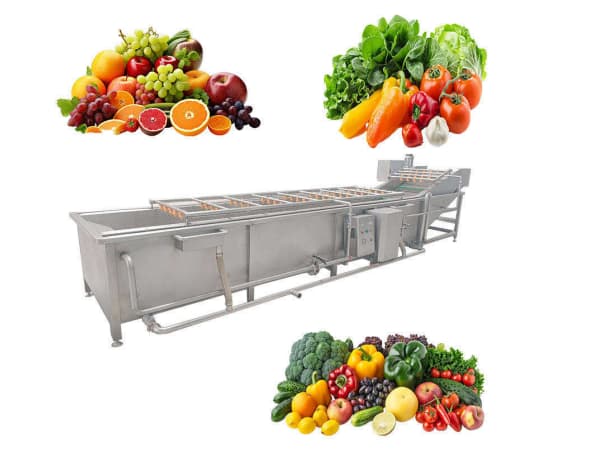
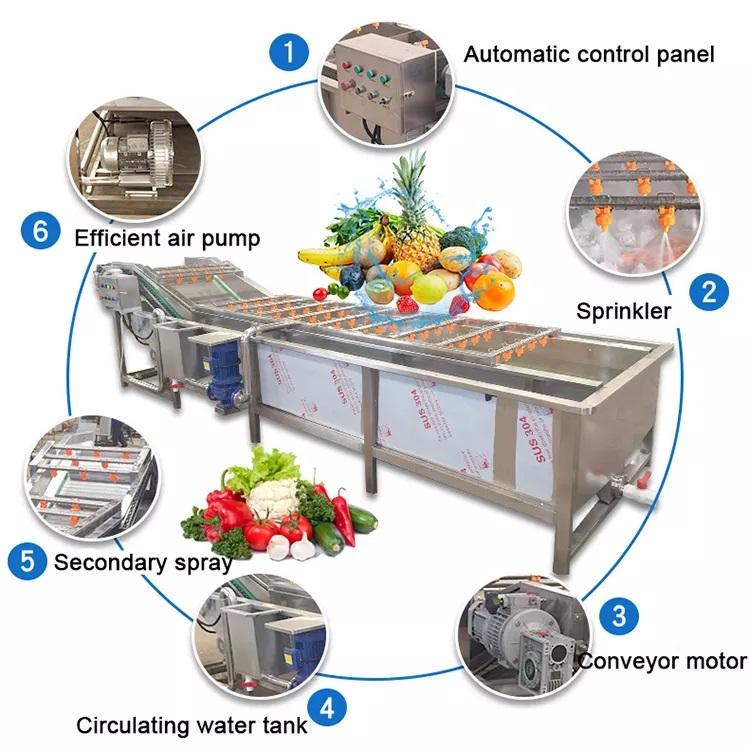
Máquina de lavar vegetais
Uma máquina de lavar vegetais remove a sujeira, lama, areia, resíduo de pesticida, e contaminação superficial de produtos frescos.
Tecnologias comuns de lavagem
Várias tecnologias de lavagem são comumente usadas na indústria alimentícia, incluindo:
- Lavagem de bolhas
- Lavagem por spray
- Lavagem de escova
- Lavagem de tambor
Entre essas opções, os sistemas de lavagem com bolhas são particularmente adequados para vegetais delicados porque reduzem os danos à superfície.
Aplicações
Máquinas de lavar vegetais são comumente usadas para:
- Legumes folhosos
- Vegetais de raiz
- Ervas
- Frutas
Além de melhorar a limpeza, os sistemas de lavagem também preparam vegetais para processamento posterior.
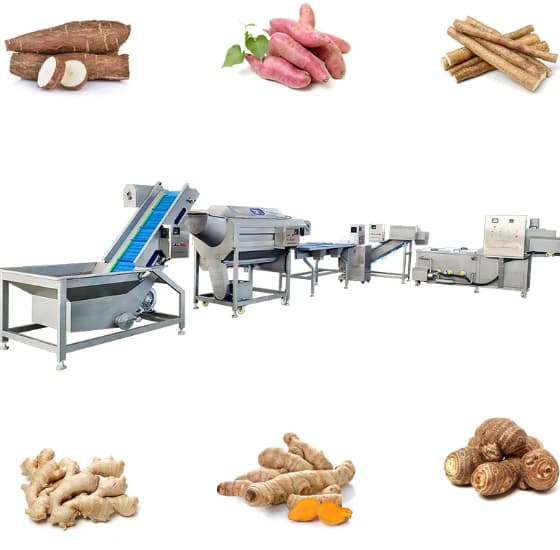
Máquina de descascar vegetais
As máquinas descascadoras removem as cascas dos vegetais de forma rápida e eficiente. Comparado com o peeling manual, sistemas industriais economizam tempo e trabalho.
Métodos comuns de peeling
Os fabricantes usam diferentes tecnologias de peeling dependendo do tipo de produto, como:
- Peeling abrasivo
- Peeling a vapor
- Descascar faca
- Peeling de escova
Legumes populares para descascar
As máquinas de descascar são amplamente utilizadas para:
- Batatas
- Cenouras
- Ruivo
- Alho
- Batata doce
À medida que a demanda por alimentos processados aumenta, equipamento de descascamento automático tornou-se cada vez mais popular em todo o mundo.
Máquina de corte de vegetais
Uma máquina de corte de vegetais é um dos tipos mais importantes de equipamento de processamento de vegetais. Pode produzir fatias, cubos, tiras, pedaços, dados, e cortes juliana com alta precisão.
Aplicativos comuns
Essas máquinas são amplamente utilizadas em:
- Produção de batatas fritas
- Processamento de salada
- Vegetais congelados
- Cozinhas centrais
Adicionalmente, cortadores de vegetais modernos permitem que os operadores ajustem facilmente os tamanhos dos cortes. Consequentemente, as fábricas podem produzir múltiplas especificações de produtos usando o mesmo equipamento.
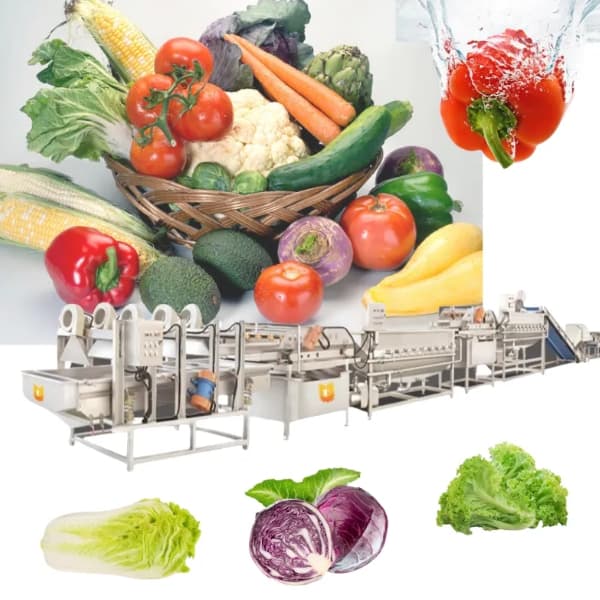
Máquina de branqueamento de vegetais
O branqueamento ajuda a preservar a cor dos vegetais, textura, e nutrição antes de congelar ou secar.
Principais Funções
O processo de branqueamento oferece vários benefícios importantes:
- Inativação enzimática
- Esterilização de superfície
- Preservação de cor
Legumes típicos para branquear
As fábricas geralmente empalidecem:
- Brócolis
- Espinafre
- Vagens
- Ervilhas
- Cenouras
Na maioria das linhas de produção de vegetais congelados, o branqueamento é uma etapa essencial do processamento.
Máquina de desidratação de vegetais
Depois de lavar ou branquear, vegetais geralmente contêm excesso de umidade. Portanto, equipamento de desidratação é necessário para melhorar a qualidade do produto e a vida útil.
Tecnologias comuns de desidratação
Os métodos populares de desidratação incluem:
- Secagem centrífuga
- Secagem ao ar
- Desaguamento vibratório
Ao remover a água superficial de forma eficaz, essas máquinas melhoram os resultados da embalagem e reduzem o crescimento bacteriano.
Máquina de fritar vegetais
As fritadeiras industriais são amplamente utilizadas na produção de salgadinhos. Em particular, produtos vegetais fritos continuam ganhando popularidade nos mercados internacionais.
Produtos Fritos Comuns
Produtos fritos típicos incluem:
- Batatas fritas
- Batatas fritas
- Cebola frita
- Batatas fritas de vegetais
Os sistemas de fritura modernos incluem controle automático de temperatura, Filtração de óleo, e sistemas de transporte. Como resultado, os fabricantes alcançam uma qualidade de produto estável e melhor eficiência do óleo.
Máquina de congelamento de vegetais
Os vegetais congelados continuam muito populares porque oferecem conveniência e longa vida útil. Portanto, a tecnologia de congelamento desempenha um papel crítico no processamento moderno de alimentos.
Sistemas de congelamento comuns
A indústria normalmente usa:
- Congelador IQF
- Congelador de túnel
- Congelador espiral
Entre essas tecnologias, O congelamento IQF é especialmente popular porque evita que os vegetais grudem uns nos outros.
Máquina de embalagem de vegetais
A embalagem protege os vegetais durante o armazenamento e transporte. Além disso, uma boa embalagem melhora a aparência do produto e o valor de mercado.
Tipos de embalagens comuns
Os fabricantes costumam usar:
- Embalagem a vácuo
- Embalagem de saco de travesseiro
- Selagem de bandeja
- Embalagem com atmosfera modificada
À medida que aumenta a procura dos consumidores por alimentos convenientes, a tecnologia de embalagens continua evoluindo rapidamente.
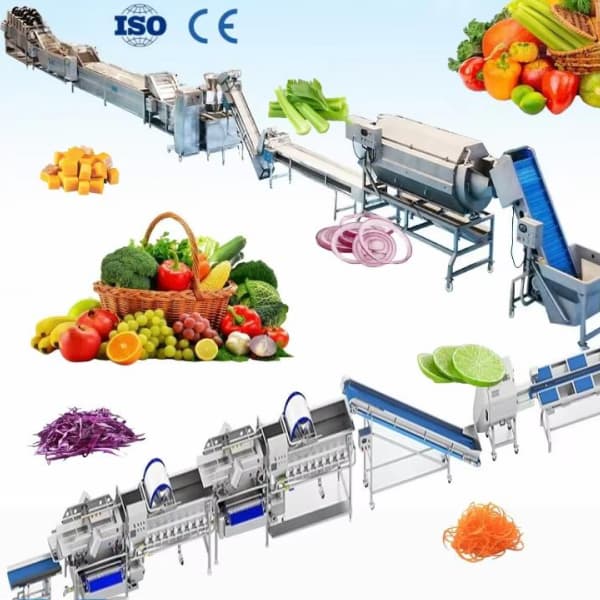
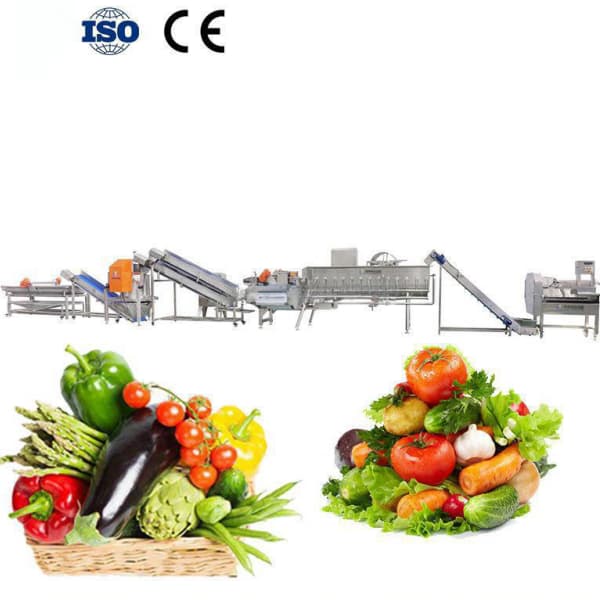
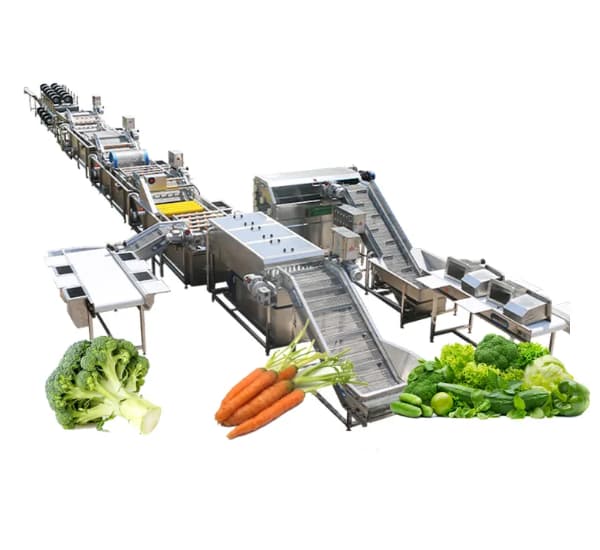
Linha completa de processamento de vegetais
Muitas fábricas preferem linhas completas de produção de vegetais em vez de máquinas independentes. Sistemas integrados melhoram a automação e reduzem os requisitos de mão de obra.
Uma linha típica de processamento de vegetais pode incluir:
- Transportador de alimentação
- Máquina de lavar vegetais
- Máquina de descascar
- Máquina de corte
- Sistema de branqueamento
- Sistema de refrigeração
- Máquina de desidratação
- Máquina de embalagem
Porque cada estágio opera continuamente, linhas integradas melhoram significativamente a eficiência geral da produção.
Aplicações populares de processamento de vegetais
Produção de vegetais congelados
Os vegetais congelados são um dos maiores segmentos da indústria alimentar global. Consequentemente, a demanda por equipamentos de processamento de vegetais congelados continua crescendo.
Produtos congelados comuns incluem:
- Brócolis congelado
- Cenouras congeladas
- Ervilhas congeladas
- Legumes mistos congelados
Tipicamente, o processo de produção inclui lavagem, corte, branqueado, Congelamento IQF, e embalagem.
Produção de Batatas Fritas
As linhas de produção de batatas fritas exigem múltiplas máquinas de processamento de vegetais trabalhando juntas.
O equipamento típico inclui:
- Lavadora de batatas
- Descascador de batata
- Cortador de tiras
- Blanches
- Fritadeira
- Freezer
- Máquina de embalagem
Porque as batatas fritas congeladas são consumidas em todo o mundo, este mercado continua altamente lucrativo.
Processamento de salada
A produção de saladas minimamente processadas requer equipamentos de processamento higiênicos e uma gestão rigorosa da segurança alimentar.
Máquinas importantes incluem:
- Lavadora de folhas vegetais
- Cortador
- Secador de ar
- Máquina de embalagem
Adicionalmente, ambientes de processamento limpos são essenciais para manter o frescor e prevenir a contaminação.
Processamento de alho e cebola
As máquinas de processamento de alho e cebola são amplamente utilizadas em cozinhas comerciais e fábricas de temperos.
Máquinas populares incluem:
- Máquina de descascamento de alho
- Máquina de descascar cebola
- Máquina de fatiar cebola
- Máquina de pasta de alho
Comparado com a preparação manual, sistemas automáticos melhoram a eficiência e a consistência.
Materiais Utilizados em Máquinas de Processamento de Vegetais
A maioria dos equipamentos industriais de processamento de vegetais usa aço inoxidável de qualidade alimentar.
Por que o aço inoxidável é importante
O aço inoxidável oferece diversas vantagens:
- Resistência à corrosão
- Limpeza fácil
- Longa vida útil
- Superfícies higiênicas
- Conformidade com a segurança alimentar
Na maioria dos casos, O aço inoxidável SUS304 é comumente usado na fabricação de máquinas alimentícias. No entanto, algumas máquinas pesadas usam aço inoxidável SUS316 para melhorar a resistência à corrosão.
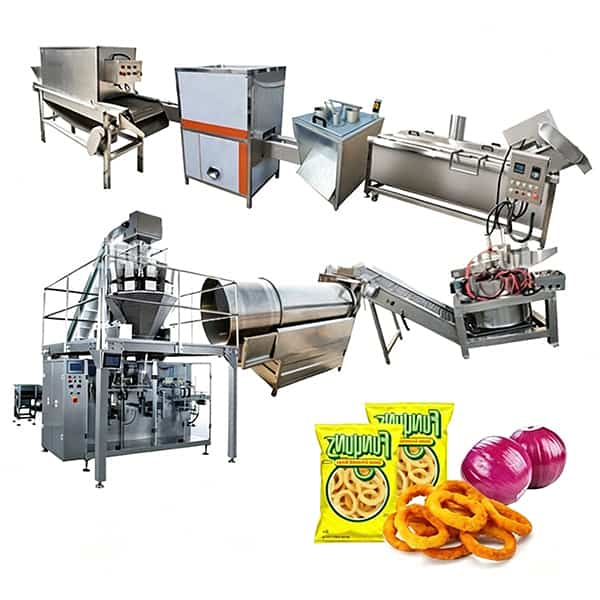
Automação no Processamento de Vegetais
A automação está transformando rapidamente a indústria alimentar global. Portanto, modernas máquinas de processamento de vegetais incluem cada vez mais sistemas de controle inteligentes.
Os recursos avançados geralmente incluem:
- Sistemas de controle do PLC
- Interfaces de tela sensível ao toque
- Sensores automáticos
- Controle inteligente de temperatura
- Monitoramento remoto
Como resultado, a automação melhora a estabilidade da produção, qualidade do produto, e eficiência energética simultaneamente.
Vantagens das máquinas automáticas de processamento de vegetais
Os sistemas automáticos oferecem vários benefícios para os fabricantes de alimentos.
Trabalho humano reduzido
A automação minimiza a operação manual e reduz a dependência de mão de obra.
Velocidade de processamento mais rápida
Máquinas industriais processam grandes quantidades de vegetais todos os dias.
Higiene Melhorada
Os sistemas fechados reduzem significativamente os riscos de contaminação.
Eficiência energética
Equipamentos modernos consomem menos eletricidade e água do que sistemas mais antigos.
Melhor rendimento do produto
O corte preciso reduz o desperdício de matéria-prima e melhora a rentabilidade.
Máquinas de processamento de vegetais para pequenas empresas
As pequenas empresas também podem se beneficiar de equipamentos compactos de processamento de vegetais. Na verdade, muitas startups começam com sistemas automáticos de pequena escala.
Máquinas compactas populares incluem:
- Cortadores de mesa
- Mini arruelas
- Descascadores pequenos
- Sistemas de embalagem compactos
Estas máquinas são adequadas para:
- Restaurantes
- Empresas de catering
- Startups de alimentos
- Pequenas fazendas
Além disso, máquinas compactas requerem menos espaço de instalação e menores custos de investimento.
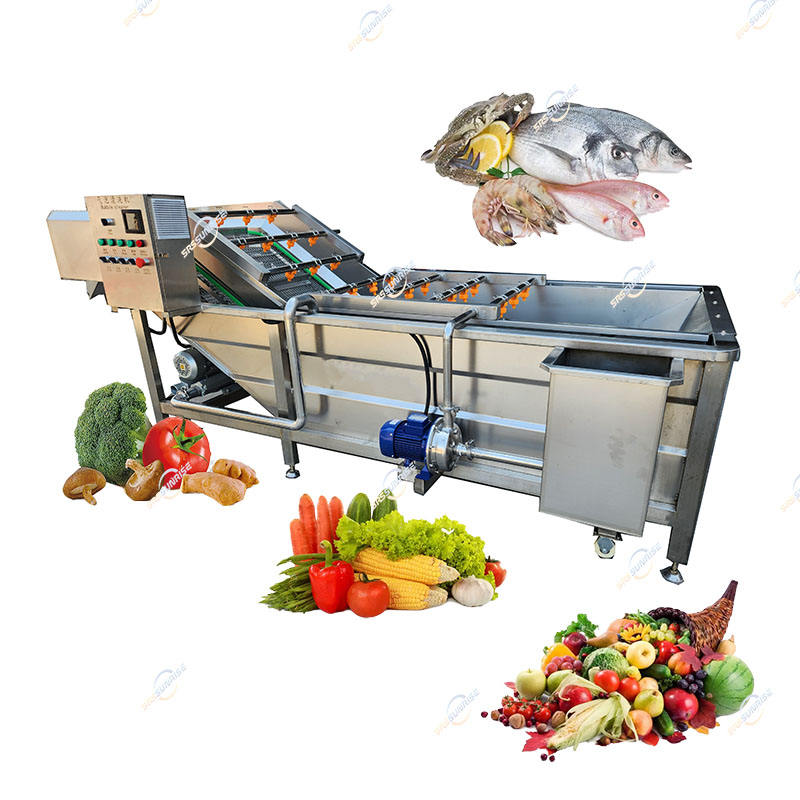
Equipamento industrial de processamento de vegetais
Grandes fábricas de alimentos exigem sistemas industriais pesados com capacidade de produção contínua.
Equipamentos industriais normalmente apresentam:
- Alta capacidade de produção
- Operação totalmente automática
- Processamento contínuo
- Sistemas de controle integrados
As capacidades de produção podem variar de:
- 100 kg/hora
- 500 kg/hora
- 1000 kg/hora
- 5000 kg/hora
Consequentemente, os fabricantes podem escolher equipamentos com base no tamanho da fábrica e nas metas de produção.
Como escolher a máquina certa para processar vegetais
A seleção da máquina correta depende de vários fatores importantes.
Capacidade de produção
Primeiro, as empresas devem determinar as necessidades diárias de produção.
Tipo de vegetal
Vegetais diferentes requerem tecnologias de processamento diferentes.
Nível de automação
Os fabricantes podem escolher entre:
- Manual
- Semi-automático
- Sistemas totalmente automáticos
Espaço de Fábrica
As dimensões da máquina devem corresponder ao espaço de instalação disponível.
Considerações orçamentárias
As empresas devem avaliar:
- Preço do equipamento
- Custos de manutenção
- Consumo de energia
- Economia de mão de obra
Padrões de segurança alimentar
Finalmente, equipamento deve estar em conformidade com padrões internacionais, como:
- FDA
- CE
- ISO
- HACCP
Manutenção de Máquinas de Processamento de Vegetais
A manutenção adequada prolonga a vida útil da máquina e melhora a confiabilidade operacional.
Limpeza diária
Os operadores devem remover resíduos vegetais após a produção.
Lubrificação
As peças móveis requerem lubrificação regular para reduzir o desgaste.
Inspeção da lâmina
Lâminas afiadas melhoram a qualidade e a eficiência do corte.
Inspeção Elétrica
Motores e sistemas de controle devem ser inspecionados periodicamente.
Portanto, a manutenção preventiva é essencial para o desempenho da máquina a longo prazo.
Tendências na Indústria de Processamento de Vegetais
A indústria de processamento de vegetais continua evoluindo rapidamente devido às mudanças nas preferências dos consumidores e à inovação tecnológica.
Processamento Inteligente de Alimentos
As tecnologias de IA e IoT estão se tornando cada vez mais comuns.
Equipamento de economia de energia
Os fabricantes estão se concentrando na redução do consumo de energia.
Processamento Sustentável
Os sistemas de reciclagem de água estão ganhando popularidade em todo o mundo.
Projeto de máquina higiênica
Os requisitos de segurança alimentar continuam a aumentar todos os anos.
Linhas de produção personalizadas
As fábricas exigem cada vez mais soluções de processamento customizadas para produtos específicos.
Máquinas de processamento de vegetais para mercados de exportação
A procura global por vegetais processados continua a aumentar de forma constante. À medida que o comércio internacional de alimentos se expande, fabricantes investem pesadamente em equipamentos de processamento modernos.
Os principais mercados de exportação incluem:
- Estados Unidos
- Europa
- Médio Oriente
- Sudeste Asiático
- América latina
Portanto, máquinas de processamento de vegetais de alta qualidade tornaram-se essenciais para empresas alimentícias voltadas para a exportação.
Problemas comuns no processamento de vegetais
Apesar da automação avançada, alguns problemas operacionais ainda podem ocorrer.
Corte irregular
Em muitos casos, lâminas cegas causam resultados de corte inconsistentes.
Danos ao produto
Configurações incorretas da máquina podem danificar os vegetais durante o processamento.
Excesso de água
A má desidratação afeta a qualidade da embalagem e a vida útil.
Problemas de higiene
A limpeza inadequada pode aumentar os riscos de contaminação.
Felizmente, a manutenção regular e o treinamento do operador ajudam a reduzir significativamente esses problemas.
Futuro das máquinas de processamento de vegetais
O futuro dos equipamentos de processamento de vegetais se concentrará em equipamentos mais inteligentes, mais limpo, e tecnologias de produção mais sustentáveis.
As tendências futuras incluem:
- Inteligência artificial
- Robótica
- Sistemas de monitoramento inteligentes
- Processamento com eficiência energética
- Fabricação ecológica
À medida que a procura por produtos alimentares saudáveis e convenientes continua a aumentar, a automação do processamento de vegetais se expandirá ainda mais em todo o mundo.
Principais fabricantes de máquinas de processamento de vegetais
Muitas empresas fornecem equipamentos de processamento de vegetais em todo o mundo.
Fabricantes conhecidos incluem:
- Grupo GEA
- Grupo Bühler
- Calor e controle
- JBT Corporation
- Henan Dongtai Food Machine Co., Ltda.
Os fabricantes chineses estão se tornando cada vez mais populares porque oferecem:
- Preços competitivos
- Entrega rápida
- Soluções personalizadas
- Ampla seleção de equipamentos
Conclusão
Uma moderna máquina de processamento de vegetais desempenha um papel crítico na indústria alimentícia atual. Da lavagem e descascamento ao corte, fritar, congelando, e embalagem, essas máquinas ajudam as empresas a melhorar a eficiência, segurança alimentar, e qualidade do produto.
Além disso, a automação reduz os custos de mão de obra e aumenta a consistência da produção. Quer você administre um pequeno restaurante ou uma grande fábrica industrial, escolher o equipamento certo para processamento de vegetais pode melhorar significativamente a lucratividade e o desempenho operacional.
À medida que as tecnologias de produção inteligentes continuam a avançar, máquinas de processamento de vegetais se tornarão ainda mais inteligentes, higiênico, eficiente de energia, e ambientalmente amigável no futuro. Consequentemente, as empresas que hoje investem em equipamentos de processamento de alta qualidade estarão melhor posicionadas para competir no crescente mercado global de processamento de alimentos.