Introdução
A indústria alimentar global continua a expandir-se rapidamente porque os consumidores exigem cada vez mais alimentos mais saudáveis, mais seguro, e produtos alimentares mais convenientes. Como resultado, o processamento de frutas e vegetais tornou-se um dos setores mais importantes na fabricação moderna de alimentos. Frutas e vegetais processados são amplamente utilizados em supermercados, restaurantes, fábricas de alimentos congeladas, plantas de produção de salgadinhos, indústrias de bebidas, e fabricação de refeições prontas.
Para fábricas de alimentos, o processamento eficiente de frutas e vegetais pode melhorar significativamente a capacidade de produção, reduzindo ao mesmo tempo os custos de mão de obra e minimizando o desperdício de matéria-prima. Além disso, a moderna tecnologia de processamento ajuda a prolongar a vida útil do produto, manter o valor nutricional, e melhorar a consistência do produto. Portanto, muitos fabricantes de alimentos estão investindo pesadamente em máquinas automatizadas, sistemas de controle inteligentes, e linhas de produção higiênicas.
O que é processamento de frutas e vegetais?
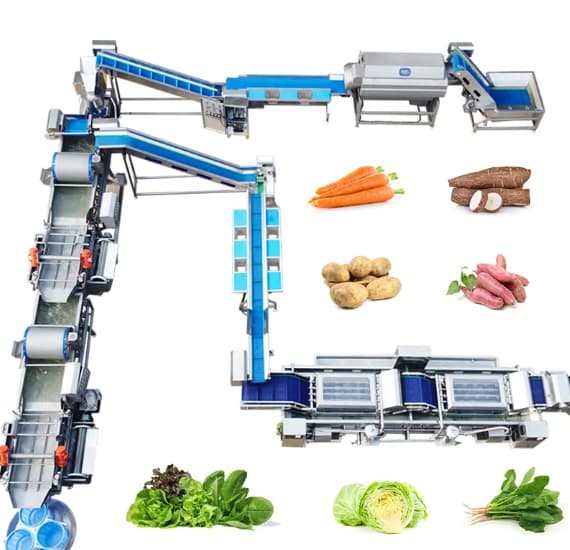
O processamento de frutas e vegetais refere-se à transformação industrial de produtos agrícolas frescos em alimentos processados de maior valor., vida útil melhorada, e melhor comodidade.
Geralmente, operações de processamento incluem:
- Lavar
- Classificação
- Peeling
- Corte
- Branqueamento
- Secagem
- Congelando
- Fritar
- Suco
- Purê
- Esterilização
- Embalagem
O principal objetivo é preservar o frescor e ao mesmo tempo facilitar o transporte dos produtos, loja, e consumir. Consequentemente, os produtos processados podem alcançar mercados mais amplos e permanecer estáveis por períodos mais longos.
Hoje, produtos processados comuns de frutas e vegetais incluem:
- Legumes congelados
- Frutas secas
- Suco de frutas
- Pasta de tomate
- Batatas fritas
- Batatas fritas de vegetais
- Purê de frutas
- Legumes enlatados
- Saladas recém-cortadas
- Vegetais em conserva
- Produtos de alho e cebola
Por que o processamento de frutas e vegetais é importante
Reduzindo Perdas Pós-Colheita
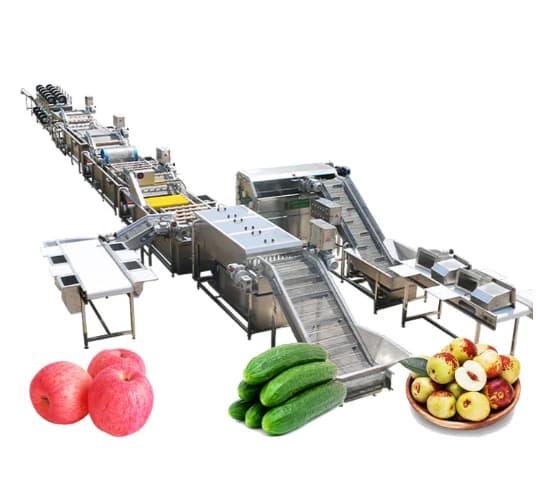
Frutas e vegetais frescos estragam rapidamente se não forem processados adequadamente. Portanto, o processamento industrial ajuda a reduzir o desperdício de alimentos e melhorar a utilização do produto.
Aumentando o valor do produto
Os produtos processados geralmente geram lucros muito maiores do que os produtos agrícolas brutos. Por exemplo, batatas podem virar batatas fritas congeladas, enquanto os tomates podem ser convertidos em ketchup ou pasta de tomate. De forma similar, mangas são frequentemente processadas em lanches secos, suco, ou purê.
Melhorar a segurança alimentar
Equipamentos de processamento modernos ajudam as fábricas a manter padrões rígidos de higiene. Além disso, sistemas automatizados reduzem o contato humano durante a produção, o que minimiza ainda mais os riscos de contaminação.
Apoiando o Abastecimento Global de Alimentos
Produtos alimentícios processados podem ser transportados por longas distâncias sem deterioração rápida. Consequentemente, as fábricas de alimentos podem se expandir para os mercados internacionais com mais facilidade.
Principais tipos de processamento de frutas e vegetais
Processamento de recém-cortados
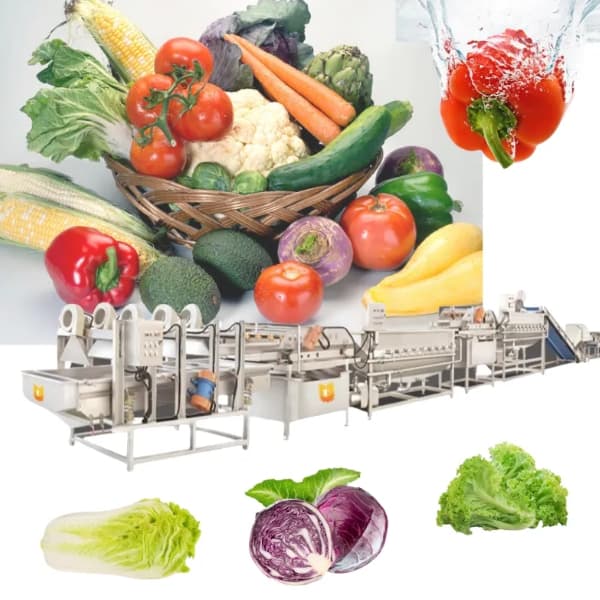
O processamento de cortes frescos envolve lavagem, peeling, corte, e embalar produtos frescos, mantendo uma aparência e textura frescas.
Produtos comuns incluem:
- Salada de legumes
- Maçãs fatiadas
- Corte cenouras
- Legumes prontos para cozinhar
Vantagens do Processamento de Cortes Frescos
Produtos minimamente processados são cada vez mais populares porque proporcionam conveniência aos consumidores. Além disso, esses produtos requerem tempo mínimo de preparação.
Vantagens adicionais incluem:
- Aparência fresca
- Curto tempo de preparação
- Maior conveniência
- Crescente demanda do mercado
Principais equipamentos utilizados
As fábricas normalmente usam:
- Máquinas de lavar bolhas
- Máquinas de corte de vegetais
- Sistemas de secagem de ar
- Máquinas de embalagem
Processamento de congelamento
Frutas e vegetais congelados são muito populares em todo o mundo porque o congelamento preserva os nutrientes, cor, e textura de forma eficaz.
Produtos congelados típicos incluem:
- Ervilhas congeladas
- Brócolis congelado
- Cubos de manga congelada
- Batatas fritas congeladas
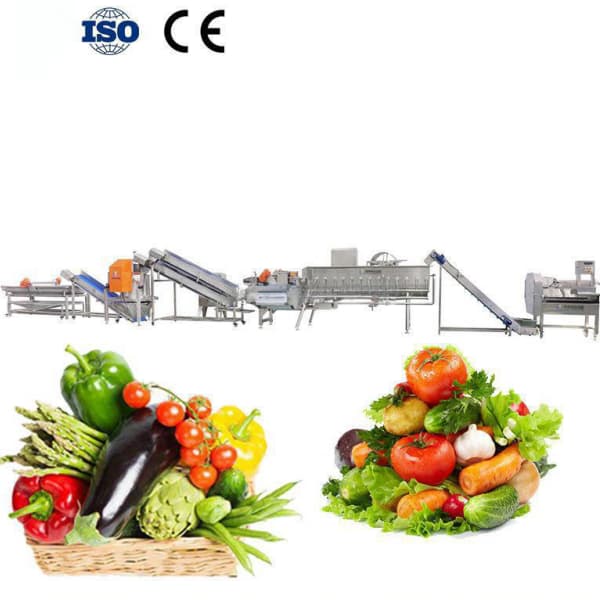
Tecnologia de congelamento IQF
Congelamento rápido individual (IQF) a tecnologia congela rapidamente os produtos separadamente. Como resultado, os produtos não ficam grudados e mantêm melhor qualidade.
Vantagens do processamento congelado
O processamento congelado oferece vários benefícios importantes. Por exemplo, produtos congelados têm vida útil mais longa e excelente estabilidade no transporte.
Outras vantagens incluem:
- Melhor retenção de frescor
- Armazenamento conveniente
- Forte procura de exportação
- Deterioração reduzida
Equipamentos Principais para Linhas de Congelamento
Uma linha de congelamento padrão pode incluir:
- Máquinas de branqueamento
- Máquinas de desidratação
- Congeladores IQF
- Sistemas de embalagem
Secagem e Desidratação
A secagem remove a umidade de frutas e vegetais para evitar o crescimento microbiano e a deterioração. Portanto, produtos desidratados podem permanecer estáveis por longos períodos.
Produtos secos populares incluem:
- Manga seca
- Passas
- Flocos de alho
- Cebola em pó
- Pó vegetal
Métodos comuns de secagem
Secagem com Ar Quente
A secagem com ar quente é amplamente utilizada porque é econômica e adequada para produção em larga escala..
Liofilização
A liofilização preserva a estrutura e o valor nutricional do produto de forma mais eficaz. No entanto, o custo do investimento é significativamente maior.
Secagem a Vácuo
A secagem a vácuo é frequentemente usada para produtos alimentícios premium com rigorosos requisitos de qualidade.
Vantagens do processamento de secagem
Produtos desidratados oferecem muitos benefícios comerciais. Em particular, os custos de transporte e armazenamento são muito mais baixos devido à redução de peso e volume.
Processamento de sucos e bebidas
O processamento de sucos de frutas continua sendo um dos maiores setores da indústria de bebidas. Além disso, a demanda dos consumidores por bebidas saudáveis continua a aumentar globalmente.
Produtos de suco populares incluem:
- Suco de laranja
- Suco de maçã
- Suco de manga
- Suco misto de vegetais
Processo de produção de suco
O processo de produção típico inclui:
- Lavar
- Classificação
- Esmagando
- Extração de suco
- Filtração
- Pasteurização
- Enchimento e embalagem
Equipamento importante para processamento de suco
Equipamento comum inclui:
- Trituradores de frutas
- Extratores de suco
- Pasteurizadores
- Máquinas de enchimento
Processamento de conservas
Frutas e vegetais enlatados continuam importantes porque proporcionam excelente estabilidade de armazenamento sem refrigeração.
Exemplos incluem:
- Pêssegos em calda
- Cogumelos enlatados
- Milho doce enlatado
- Tomates enlatados
Vantagens do enlatamento
A tecnologia de enlatados oferece vários benefícios. Por exemplo, produtos enlatados podem manter uma qualidade estável por longos períodos.
Vantagens adicionais incluem:
- Longa vida útil
- Transporte conveniente
- Deterioração reduzida
- Fácil armazenamento
Requisitos principais para enlatados
Para garantir a segurança do produto, as fábricas devem controlar:
- Esterilização
- Vedação a vácuo
- Higiene das embalagens
- Gerenciamento de temperatura
Processamento de Fritura
Os snacks fritos de fruta e vegetais estão a tornar-se cada vez mais populares nos mercados internacionais. Portanto, muitas fábricas de alimentos estão investindo em linhas de produção automatizadas de frituras.
Produtos populares incluem:
- Batatas fritas
- Chips de banana
- Cebola frita
- Batatas fritas de vegetais
Principais etapas de produção
O processo geralmente inclui:
- Lavar
- Peeling
- Fatiar
- Branqueamento
- Fritar
- De-oleando
- Tempero
- Embalagem
Equipamento importante para fritar
As fábricas geralmente usam:
- Máquinas de fatiar
- Fritadeiras contínuas
- Sistemas de desengorduramento
- Máquinas de tempero
Linha completa de processamento de frutas e vegetais
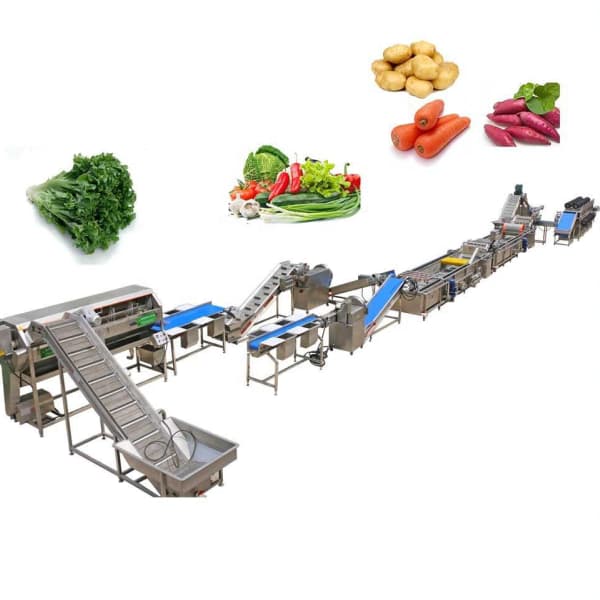
As fábricas de alimentos modernas geralmente combinam múltiplas máquinas em sistemas de processamento totalmente automáticos.. Consequentemente, a eficiência da produção e a consistência do produto melhoram significativamente.
Recebimento de Matéria Prima
As fábricas primeiro inspecionam cuidadosamente os produtos recebidos. Tipicamente, inspetores de qualidade avaliam:
- Frescura
- Tamanho
- Maturação
- Danos superficiais
- Materiais estranhos
Matérias-primas de alta qualidade são essenciais para a produção de produtos acabados premium.
Lavagem e Limpeza
A lavagem adequada remove contaminantes e melhora a segurança alimentar. Além disso, a limpeza eficaz melhora a aparência do produto.
As fábricas geralmente removem:
- Sujeira
- Areia
- Pedras
- Resíduos de pesticidas
- Restos de plantas
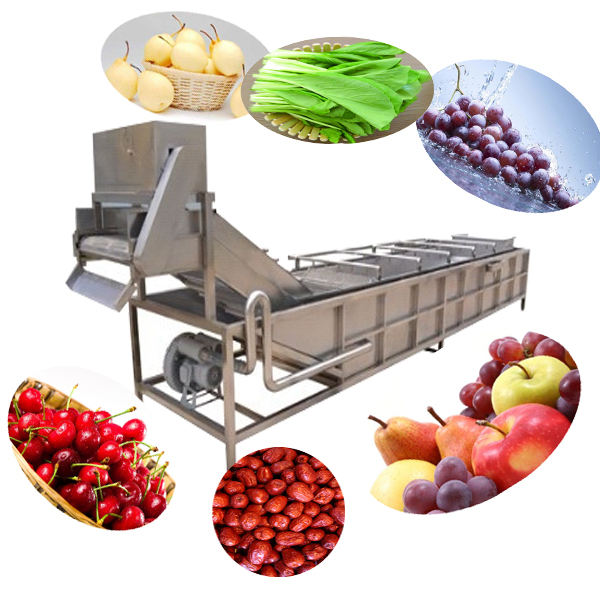
Equipamento de lavagem comum
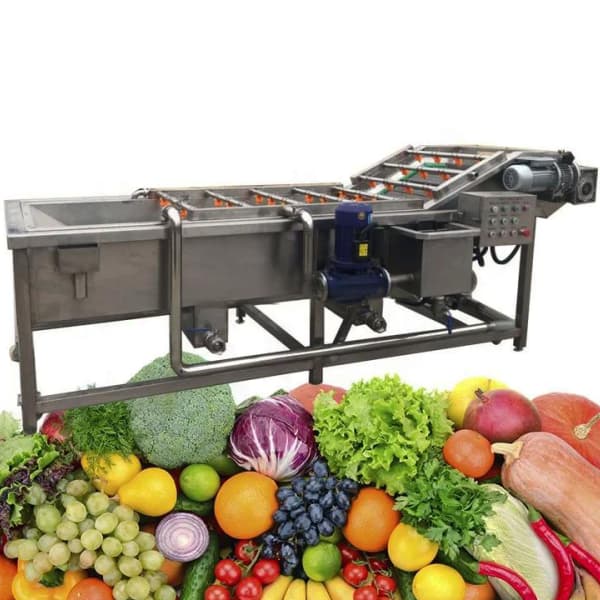
Máquinas de lavar bolhas
Estas máquinas usam bolhas de ar e circulação de água para uma limpeza suave.
Máquinas de lavar escova
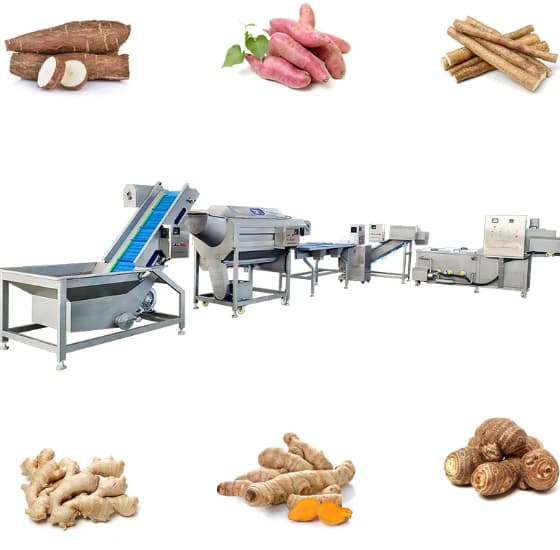
As arruelas de escova são adequadas para batatas, cenouras, e vegetais de raiz.
Arruelas de pulverização
As lavadoras por spray usam sistemas de água de alta pressão para limpeza de superfícies.
Classificação e classificação
Os sistemas de classificação melhoram a consistência do produto e reduzem defeitos. Hoje em dia, muitas fábricas usam tecnologia de classificação óptica automatizada.
Métodos comuns de classificação
- Classificação manual
- Classificação de peso
- Classificação de tamanho
- Classificação óptica de cores
Porque os sistemas de visão de IA estão se tornando mais avançados, a precisão da classificação está melhorando continuamente.
Peeling
Diferentes frutas e vegetais requerem diferentes tecnologias de descascamento.
Métodos comuns de peeling
Peeling Mecânico
O descascamento mecânico é comumente usado para batatas e cenouras.
Peeling a vapor
O peeling a vapor oferece alta eficiência para linhas de produção industrial.
Peeling Químico
Certas aplicações de processamento de frutas usam métodos de descascamento químico.
Cortar e Fatiar
O corte preciso melhora a uniformidade do produto e a aparência final. Além disso, corte consistente ajuda a melhorar o desempenho de cozimento e congelamento.
Tipos de corte
- Corte em dados
- Fatiar
- Cubagem
- Trituração
- Corte de tira
Máquinas de corte modernas oferecem tamanhos ajustáveis e capacidades de processamento em alta velocidade.
Branqueamento
O branqueamento utiliza vapor ou água quente para melhorar a estabilidade do produto antes de congelar ou secar.
Este processo ajuda:
- Inativar enzimas
- Preservar a cor
- Melhorar a textura
- Reduzir bactérias
Portanto, o branqueamento é uma etapa essencial em muitas linhas de produção.
Secar ou Fritar
Dependendo do produto final, fábricas podem usar secadores, fritadeiras, liofilizadores, ou fritadeiras a vácuo. Enquanto isso, a eficiência energética tornou-se cada vez mais importante nestas operações.
Embalagem
A embalagem protege a qualidade dos alimentos e prolonga a vida útil. Além disso, embalagens atraentes melhoram a competitividade do mercado.
Tipos de embalagens comuns
- Sacos de vácuo
- Sacos de travesseiro
- Bandejas de plástico
- Bolsas stand-up
- Latas de metal
Tecnologias avançadas de embalagem
As fábricas modernas costumam usar:
- Vedação a vácuo
- Lavagem de nitrogênio
- Embalagem com atmosfera modificada
Equipamento importante para processamento de frutas e vegetais
Máquinas de lavar
Os sistemas de lavagem modernos melhoram a eficiência da limpeza e minimizam os danos ao produto.
Principais recursos
- Construção de aço inoxidável
- Sistemas de reciclagem de água
- Controle de velocidade ajustável
- Filtragem automática
Máquinas de classificação
Os sistemas de classificação óptica usam câmeras e sensores para detectar automaticamente produtos defeituosos.
Principais benefícios
- Custos trabalhistas reduzidos
- Maior precisão de classificação
- Melhor consistência do produto
Cortadores Industriais
Máquinas de corte de alta velocidade processam grandes volumes de produção com eficiência.
Aplicações Típicas
- Batatas fritas
- Cubos de vegetais
- Fatias de frutas
- Ingredientes da salada
Máquinas de branqueamento
Os branqueadores industriais fornecem controle de temperatura estável para qualidade de processamento consistente.
Tipos comuns
- Branqueadores contínuos
- Branqueadores a vapor
- Branqueadores de água quente
Máquinas de secagem
Os secadores são essenciais para a produção de alimentos desidratados.
Tipos populares de secadores
- Secadores de correia
- Secadores de bandeja
- Secadores a vácuo
- Liofilizadores
Fritadeiras Industriais
Fritadeiras contínuas são amplamente utilizadas em linhas de produção de salgadinhos.
Principais recursos
- Controle automático de temperatura
- Sistemas de filtragem de óleo
- Alimentação contínua
- Design que economiza energia
Equipamento de congelamento
Os freezers IQF congelam rapidamente os produtos, mantendo a qualidade e a aparência.
Principais vantagens
- Melhor textura
- Aparência melhorada
- Vida útil mais longa
Segurança Alimentar no Processamento de Frutas e Vegetais
A segurança alimentar é extremamente importante para todas as fábricas de alimentos. Portanto, as plantas de processamento devem seguir rígidos padrões internacionais.
Sistema APPCC
Análise de perigos e pontos críticos de controle (HACCP) ajuda as fábricas a identificar e controlar eficazmente os riscos de segurança alimentar.
Áreas Críticas de Controle
- Inspeção de matéria-prima
- Qualidade de lavagem
- Controle de temperatura
- Detecção de metais
- Higiene das embalagens
Padrões GMP
Boas Práticas de Fabricação garantem ambientes de produção higiênicos.
Requisitos de BPF
- Instalações limpas
- Higiene dos funcionários
- Controle de pragas
- Higienização de equipamentos
Equipamento de aço inoxidável
O aço inoxidável de qualidade alimentar é amplamente utilizado porque resiste à corrosão e evita contaminação. Adicionalmente, equipamentos de aço inoxidável são fáceis de limpar e manter.
304 o aço inoxidável é especialmente comum em fábricas de alimentos.
Automação em fábricas de alimentos modernas
A automação está transformando a indústria de processamento de frutas e vegetais em todo o mundo.
Benefícios da automação
Custos trabalhistas mais baixos
Linhas de produção automatizadas reduzem a dependência do trabalho manual.
Maior eficiência de produção
As máquinas podem operar continuamente com desempenho estável.
Melhor consistência do produto
A automação melhora a uniformidade de tamanho e o controle de qualidade.
Redução do desperdício de alimentos
O processamento preciso minimiza as perdas de matéria-prima.
Tecnologias de fábrica inteligente
As fábricas modernas adotam cada vez mais tecnologias avançadas, como:
- Sistemas de controle do PLC
- Interfaces de tela sensível ao toque
- Inspeção visual de IA
- Embalagem robótica
- Sistemas de monitoramento IoT
Como resultado, a gestão da produção se torna mais eficiente e confiável.
Eficiência Energética em Plantas de Processamento
Os custos de energia continuam a ser uma grande preocupação para os fabricantes de alimentos. Consequentemente, as fábricas estão investindo em tecnologias de economia de energia.
Soluções de economia de energia
Sistemas de recuperação de calor
Esses sistemas recuperam o calor de fritadeiras ou secadoras para reutilização.
Unidades de frequência variável
Inversores de frequência variável reduzem o consumo de eletricidade em motores.
Equipamento Isolado
O isolamento melhora a eficiência térmica e reduz a perda de energia.
Sistemas de reciclagem de água
Os sistemas de reciclagem de água ajudam a reduzir o consumo de água durante as operações de lavagem.
A produção sustentável está se tornando uma grande vantagem competitiva na indústria alimentar global.
Produtos populares de frutas e vegetais para fábricas de alimentos
Produtos de batata
Batatas estão entre os vegetais mais processados em todo o mundo.
Produtos Comuns de Batata
- Batatas fritas
- Batatas fritas
- Flocos de batata
- Batatas congeladas
Produtos de tomate
Os tomates são amplamente processados em:
- Pasta de tomate
- Ketchup
- Molho de tomate
- Purê
Produtos de cebola e alho
Produtos populares de cebola e alho incluem:
- Cebola frita
- Alho em pó
- Flocos de cebola
- Pasta de alho
Produtos de manga
O processamento de manga inclui:
- Purê de manga
- Manga seca
- Cubos de manga congelada
- Suco de manga
Produtos Apple
As maçãs são comumente processadas em:
- Suco
- Salgadinhos secos
- Molho de maçã
- Fatias congeladas
Desafios no processamento de frutas e vegetais
Fornecimento sazonal de matéria-prima
As fábricas devem gerir as flutuações nas épocas de colheita e na disponibilidade de matéria-prima.
Prazo de validade do produto
Manter o frescor e o valor nutricional continua sendo um grande desafio.
Aumento dos custos trabalhistas
Porque as despesas trabalhistas continuam a aumentar, a automação está se tornando cada vez mais importante.
Regulamentos de Segurança Alimentar
As fábricas devem cumprir rigorosos padrões internacionais de segurança alimentar.
Consumo de energia
As plantas de processamento consomem quantidades significativas de eletricidade e energia térmica.
Tendências futuras no processamento de frutas e vegetais
Maior automação
A IA e a robótica continuarão a substituir as operações manuais nas fábricas de alimentos.
Demanda de lanches saudáveis
Os consumidores preferem cada vez mais lanches naturais de frutas e vegetais.
Fabricação Sustentável
As fábricas estão investindo em:
- Energia renovável
- Reciclagem de água
- Embalagem ecológica
Fabricação Inteligente
Fábricas digitais com sistemas de monitoramento em tempo real estão se tornando mais comuns.
Crescimento Alimentar Baseado em Plantas
Ingredientes vegetais processados são cada vez mais utilizados em produtos alimentares à base de plantas.
Como escolher equipamentos para processamento de frutas e vegetais
As fábricas de alimentos devem avaliar vários fatores antes de comprar máquinas.
Capacidade de produção
As fábricas devem selecionar equipamentos que atendam às necessidades diárias de produção.
Tipo de produto
Diferentes produtos requerem tecnologias de processamento especializadas.
Nível de automação
Os fabricantes devem equilibrar a poupança laboral com os custos de investimento.
Qualidade do material
Equipamentos de aço inoxidável de qualidade alimentar são essenciais para higiene e durabilidade.
Serviço pós-venda
Suporte técnico confiável é fundamental para a produção industrial.
Consumo de energia
Máquinas energeticamente eficientes ajudam a reduzir custos operacionais a longo prazo.
Benefícios de investir em linhas de processamento modernas
Sistemas de processamento modernos ajudam as fábricas:
- Aumente a produtividade
- Melhorar a segurança alimentar
- Reduzir custos trabalhistas
- Melhorar a qualidade do produto
- Expanda as oportunidades de exportação
- Melhore a lucratividade
Portanto, fábricas que usam automação avançada geralmente alcançam maior competitividade no mercado.
Processamento de frutas e vegetais- Máquina de alimentos DT
O processamento de frutas e vegetais tornou-se um dos setores mais importantes na fabricação moderna de alimentos. Como a demanda global por conveniência, saudável, e produtos alimentares de longa vida útil continuam a aumentar, as fábricas de alimentos devem adotar tecnologias de processamento eficientes e higiênicas para permanecerem competitivas.
Da lavagem e classificação ao congelamento, secagem, fritar, e embalagem, cada etapa do processamento desempenha um papel crítico na segurança alimentar e na qualidade do produto. Além disso, modernas linhas de produção automatizadas ajudam as fábricas a melhorar a eficiência, reduzir o desperdício, custos de mão -de -obra mais baixos, e alcançar padrões de produção consistentes.
Nos próximos anos, automação inteligente, fabricação sustentável, e as tecnologias energeticamente eficientes continuarão a moldar a indústria de processamento de frutas e vegetais. Consequentemente, as fábricas de alimentos que investem em equipamentos de processamento avançados e sistemas de produção modernos estarão melhor posicionadas para o crescimento a longo prazo e o sucesso no mercado internacional.