
Cererea globală de fructe și legume procesate continuă să crească pe măsură ce consumatorii caută să fie mai sănătoși, mai sigur, și produse alimentare mai convenabile. Fabricile moderne de produse alimentare se bazează pe linii avansate de procesare a fructelor și legumelor pentru a îmbunătăți eficiența, mentine calitatea produsului, reduce costurile forței de muncă, și respectă standardele internaționale de siguranță alimentară.
O linie completă de procesare poate face față spălării, triere, peeling, tăiere, albire, uscare, congelare, prăjire, ambalaj, si depozitare. Aceste sisteme sunt utilizate pe scară largă în producția de legume congelate, sucuri de fructe, fructe uscate, sosuri, produse conservate, gustări, și alimente gata de consumat.
Introducere în prelucrarea fructelor și legumelor
Prelucrarea fructelor și legumelor se referă la transformarea industrială a produselor agricole proaspete în produse alimentare cu termen de valabilitate mai lung și valoare de piață mai mare.. Tehnologiile de procesare ajută la păstrarea prospețimii, îmbunătăți siguranța alimentară, și creați produse care sunt mai ușor de transportat și depozitat.
Produsele proaspete sunt foarte perisabile. Fără o manipulare adecvată, fructele și legumele se pot strica rapid în timpul transportului și depozitării. Prin urmare, fabricile de procesare folosesc utilaje specializate și sisteme automate pentru a menține calitatea în același timp cu creșterea productivității.
Astăzi, producătorii de alimente procesează o mare varietate de produse, inclusiv:
- Cartofi prăjiți congelați
- Chipsuri de cartofi
- Legume congelate
- Pastă de tomate
- Piure de fructe
- Suc de fructe
- Pastă de usturoi
- Fulgi de ceapă
- Fructe uscate
- Pulberi vegetale
- Amestecuri de legume gata de gătit
Liniile de prelucrare industrială sunt proiectate pentru producție continuă și pot funcționa la capacități care variază de la câteva sute de kilograme pe oră până la zeci de tone pe zi.
Importanța procesării fructelor și legumelor
Industria de prelucrare a alimentelor joacă un rol vital în economia agricolă globală. Tehnologiile moderne de procesare ajută la reducerea risipei de alimente crescând în același timp disponibilitatea produselor pe tot parcursul anului.
Extinderea duratei de valabilitate
Fructele și legumele proaspete se strică rapid după recoltare. Metode de procesare precum congelarea, uscare, conserve, iar pasteurizarea prelungesc semnificativ timpul de depozitare.
Creșterea valorii produsului
Prelucrarea crește valoarea comercială a produselor agricole. De exemplu:
- Cartofii proaspeți devin cartofi prăjiți sau chipsuri congelate
- Roșiile devin ketchup sau pastă de roșii
- Mango proaspăt devine suc sau gustări cu fructe uscate
Produsele procesate generează de obicei profituri mai mari decât materiile prime agricole.
Îmbunătățirea siguranței alimentare
Sistemele industriale de procesare reduc riscurile de contaminare prin spălare controlată, sterilizare, și proceduri de ambalare igienă.
Reducerea pierderilor după recoltare
Un procent mare de produse proaspete se pierde în timpul transportului și depozitării. Procesarea ajută la reducerea deșeurilor și la îmbunătățirea utilizării resurselor.
Satisfacerea cererii consumatorilor
Consumatorii preferă din ce în ce mai mult alimentele convenabile care necesită timp minim de preparare. Produsele procesate din fructe și legume se potrivesc perfect stilului de viață modern.
Principalele echipamente utilizate în prelucrarea fructelor și legumelor
Instalațiile moderne de prelucrare a fructelor și legumelor folosesc o gamă largă de echipamente specializate. Fiecare mașină îndeplinește o sarcină specifică în cadrul liniei de producție.
Sisteme de recepție a materiei prime
Procesul de producție începe cu transportul materiilor prime și sistemele de alimentare.
Echipamentul comun include:
- Transportoare cu bandă
- Ascensoare cu cupe
- Transportoare cu role
- Hranitoare vibrante
Aceste sisteme transportă produsele în mod eficient, reducând în același timp munca manuală și minimizând deteriorarea produsului.
Oțelul inoxidabil alimentar este folosit în mod obișnuit, deoarece este igienic, durabil, si rezistent la coroziune.
Mașini de spălat
Spălarea este una dintre cele mai importante etape în procesarea alimentelor, deoarece produsele proaspete conțin adesea murdărie, bacterii, pesticide, pietre, și resturi vegetale.
Se folosesc diferite sisteme de spalare in functie de tipul de produs.
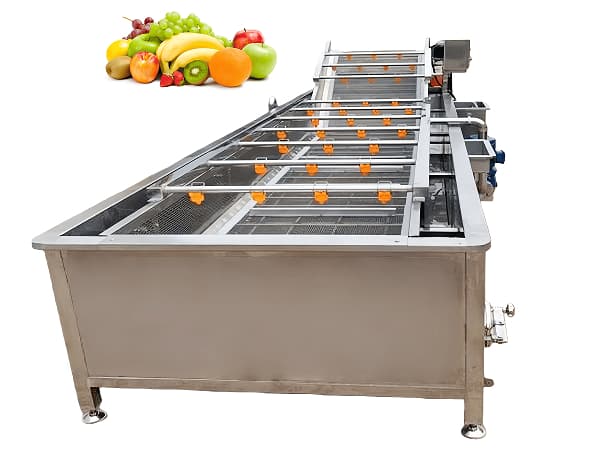
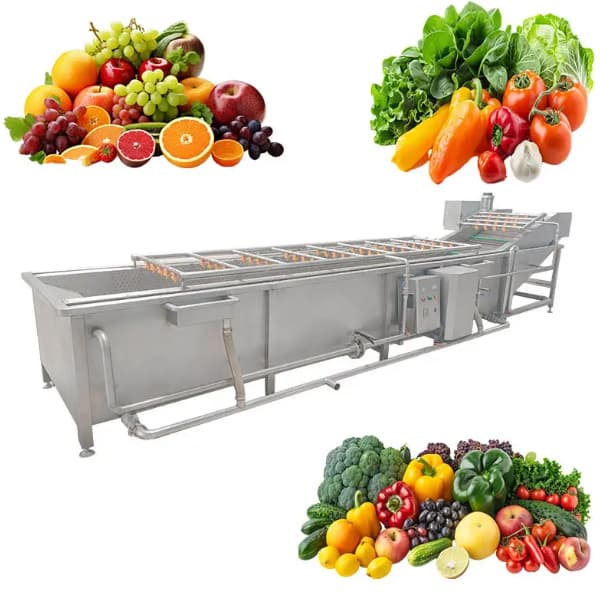
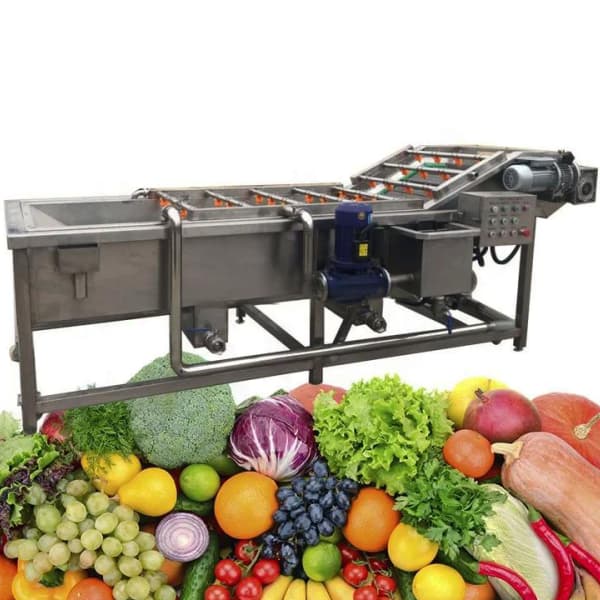
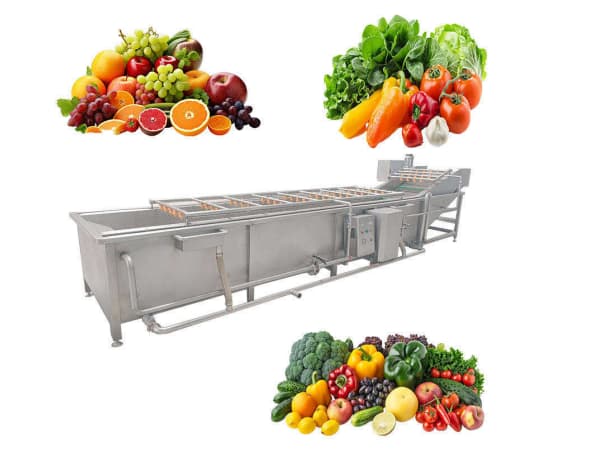
Masina de spalat cu bule
Sistemele de spălare cu bule folosesc bule de aer și apă circulantă pentru a curăța delicat fructele și legumele delicate.
Produsele potrivite includ:
- Salată verde
- Spanac
- Merele
- rosii
- Căpșuni
Masina de spalat cu rola perie
Mașinile de spălat cu perii folosesc role rotative pentru a îndepărta murdăria și coaja din legumele rădăcinoase.
Aplicațiile comune includ:
- Cartofi
- Morcovi
- Manioc
- Cartofi dulci
- Ghimbir
Sistem de spălare cu pulverizare
Sistemele de pulverizare de înaltă presiune curăță eficient produsele în timpul transportului pe benzi transportoare.
Echipament de spalare cu ultrasunete
Tehnologia cu ultrasunete îndepărtează contaminanții mai precis pentru produsele alimentare premium.
Mașini de sortat și clasificat
După spălare, produsele sunt sortate in functie de marime, formă, culoare, și calitate.
Tehnologiile moderne de sortare includ:
- Greutători
- Gredere cu role
- Sisteme optice de sortare
- Mașini de inspecție vizuală AI
Clasarea automată îmbunătățește consistența și elimină eficient produsele defecte.
Sistemele optice de sortare pot identifica:
- Decolorare
- Materiale străine
- Produse deteriorate
- Variații de mărime
Acest lucru îmbunătățește aspectul produsului final și calitatea ambalajului.
Echipament de peeling
Multe fructe și legume necesită decojirea înainte de procesare ulterioară.
Masina de peeling cu perie
Dispozitivele de decojire cu perie îndepărtează pielea exterioară subțire prin frecare.
Potrivit pentru:
- Cartofi
- Morcovi
- Cartofi dulci
Mașină de peeling cu abur
Sistemele de peeling cu abur folosesc abur de înaltă presiune pentru a slăbi rapid pielea.
Avantajele includ:
- Pierdere redusă de material
- Suprafața netedă a produsului
- Eficiență ridicată de peeling
Mașină de curățat cuțit
Cuțitele mecanice de curățat cuțite sunt folosite pentru fructele cu coji mai groase.
Aplicațiile includ:
- Ananas
- Mango
- Merele
Mașini de tăiat și feliat
Echipamentele de tăiere transformă produsele în forme și dimensiuni specifice.
Stilurile comune de tăiere includ:
- felii
- Cuburi
- benzi
- Zaruri
- cioburi
- Julienne taie
Mașină de tăiere a cartofilor
Folosit pentru cartofi prăjiți și producția de benzi de cartofi.
Mașină de tăiat cubulețe de legume
Potrivit pentru ceapă, morcovi, ardei, castraveți, si produse similare.
Mașină de tăiat fructe
Folosit pe scară largă pentru mere, banane, lămâi, și mango.
Tăierea uniformă se îmbunătățește:
- Consistența gătitului
- Aspectul produsului
- Eficiența ambalajului
- Viteza de productie
Echipament de albire
Albirea este un proces scurt de tratament termic folosind apă fierbinte sau abur.
Acest pas ajută:
- Inactivează enzimele
- Păstrează culoarea naturală
- Îmbunătățiți textura
- Reduceți contaminarea microbiană
Albirea este folosită în mod obișnuit înainte:
- Congelare
- Uscare
- Prăjire
Sisteme comune de albire
- Albitoare cu apă fierbinte
- Albitoare cu abur
- Mașini de albire continuă
Fabricile de legume congelate folosesc pe scară largă sisteme de albire continuă.
Sisteme de racire
După albire sau gătire, produsele trebuie să fie răcite rapid pentru a preveni supragătirea.
Sistemele de răcire includ:
- Rezervoare de răcire cu apă rece
- Tuneluri de răcire cu aer
- Sisteme de răcire cu apă cu gheață
Răcirea rapidă menține textura produsului și siguranța alimentelor.
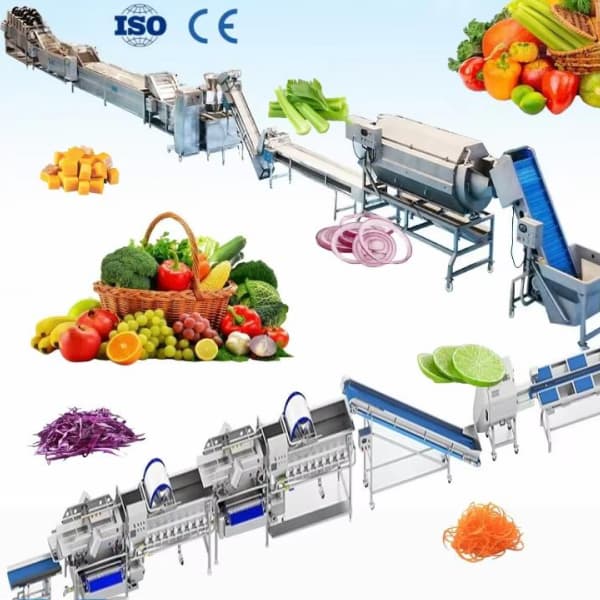
Echipamente de deshidratare și uscare
Îndepărtarea excesului de umiditate îmbunătățește calitatea produsului și eficiența procesării.
Masina de deshidratare cu vibratie
Folosește vibrația pentru a îndepărta apa de suprafață.
Masina de uscare a aerului
Sistemele de cuțit de aer elimină umezeala prin fluxul de aer de înaltă presiune.
Mașină de deshidratare centrifugă
Forța centrifugă de mare viteză elimină apa în mod eficient.
Aceste sisteme sunt importante înainte de congelare, prăjire, sau ambalaje.
Echipament de prăjit
Sistemele de prăjire sunt utilizate pe scară largă în producția de gustări.
Printre produsele prăjite populare se numără:
- Chipsuri de cartofi
- Cartofi pai
- Ceapa prajita
- Chipsuri de banane
- Gustări cu legume
Mașină de prăjire continuă
Proiectat pentru producția industrială la scară largă.
Mașină de prăjit în vid
Prăjirea în vid folosește temperaturi mai scăzute pentru a păstra nutrienții, culoare, și aromă.
Sistemele avansate de prăjire includ:
- Filtrare automată a uleiului
- Controlul temperaturii
- Sisteme de alimentare continuă
- Tehnologia de circulație a uleiului
Echipament de congelare
Produsele din fructe și legume congelate necesită tehnologie de congelare rapidă.
Congelator IQF
Sistemele Quick Frozen individual congelează produsele separat, nu în blocuri mari.
Produsele comune IQF includ:
- Mazăre
- Porumb
- Căpșuni
- Cuburi de mango
- Broccoli
Congelator spiralat
Congelatoarele spiralate oferă înghețare continuă de mare capacitate pentru fabricile mari.
Congelarea rapidă ajută:
- Păstrează nutrienții
- Mentine textura
- Reduce formarea de cristale de gheață
- Extindeți durata de valabilitate
Echipamente de prelucrare a sucului
Producția de suc de fructe necesită utilaje specializate.
Echipamentele tipice de procesare a sucului includ:
- Concasoare de fructe
- Mașini de prelucrare a pastei
- Extractoare de suc
- Sisteme de filtrare
- Omogenizatoare
- Pasteurizatoare
- Mașini de umplere
Produsele comune cu sucuri includ:
- Suc de mere
- Suc de portocale
- Suc de mango
- Suc de ananas
- Suc de roșii
Pasteurizarea asigură siguranța microbiană, prelungind în același timp durata de valabilitate.
Echipament de uscare
Sistemele de uscare reduc umiditatea produsului pentru depozitare pe termen lung.
Uscător cu aer cald
Folosit pe scară largă în deshidratarea legumelor și fructelor.
Liofilizator
Liofilizarea păstrează nutrienții, textură, și aromat eficient.
Uscător cu microunde
Oferă uscare rapidă și eficientă din punct de vedere energetic.
Produsele uscate comune includ:
- Fulgi de usturoi
- Pudră de ceapă
- Mango uscat
- Chipsuri de banane
- Pulbere de legume
Mașini de ambalat
Ambalajul protejează produsele alimentare în timpul transportului și depozitării.
Formatele de ambalare populare includ:
- Saci de vid
- Pungi cu perne
- Sticle
- Cutii
- Pungi
- Tavi din plastic
Echipamentele de ambalare pot include:
- Cântărire cu mai multe capete
- Mașini de ambalare verticale
- Sisteme de etanșare în vid
- Mașini de umplet sticle
- Mașini de etichetat
Sistemele automate de ambalare reduc costurile cu forța de muncă și riscurile de contaminare.
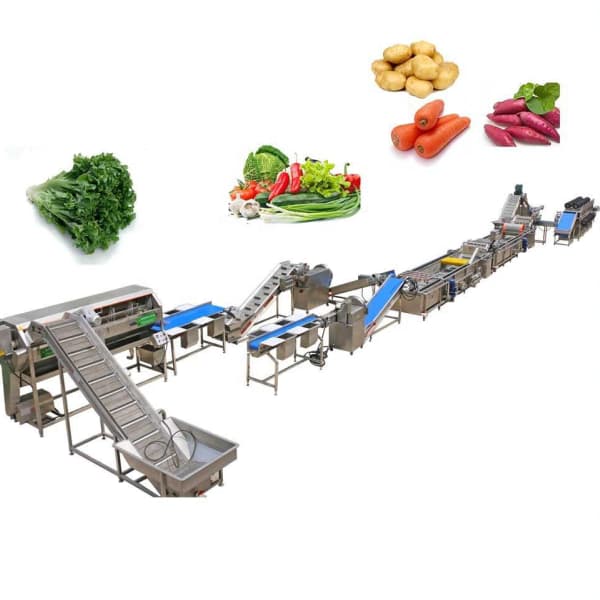
Etape de producție într-o linie de prelucrare a fructelor și legumelor
Deși diferite produse necesită tehnologii diferite, majoritatea liniilor de procesare urmează un flux de lucru similar.
Selectarea materiei prime
Materiile prime de înaltă calitate sunt esențiale pentru producerea de produse finite de înaltă calitate.
Producătorii inspectează:
- Prospeţime
- Maturitate
- mărimea
- Culoare
- Starea suprafeței
Produsele deteriorate sau stricate sunt îndepărtate înainte de procesare.
Spălarea și curățarea
Produsele sunt spălate temeinic pentru a elimina contaminanții precum:
- Sol
- Praf
- Pesticide
- Pietre
- Reziduuri vegetale
Unele fabrici folosesc mai multe etape de spălare pentru o performanță mai bună de curățare.
Sortare și clasificare
Produsele sunt sortate în funcție de dimensiuni și standarde de calitate.
Sistemele automate îmbunătățesc eficiența și asigură consistența produsului.
Peeling
Produsele care necesită îndepărtarea pielii intră în echipamentul de peeling.
Această etapă este comună pentru:
- Cartofi
- Usturoi
- Ceapa
- Mango
- Merele
Tăiere sau zdrobire
Produsele sunt tăiate în formele necesare sau zdrobite pentru extragerea sucului.
Tăierea uniformă îmbunătățește performanța procesării în aval.
Albire sau pretratare
Tratamentul termic stabilizează produsul înainte de prelucrare ulterioară.
Unele fructe primesc și tratament anti-brunire pentru a păstra aspectul.
Operația principală de procesare
Următorul pas depinde de produsul final.
Exemplele includ:
- Prăjirea pentru chipsuri de cartofi
- Uscarea pentru pulbere vegetală
- Congelare pentru legume IQF
- Pasteurizare pentru suc de fructe
Răcire
Produsele sunt răcite rapid înainte de ambalare.
Acest pas îmbunătățește siguranța alimentară și păstrează textura.
Ambalaj
Produsele finite sunt sigilate folosind sisteme automate de ambalare.
Ambalarea adecvată previne contaminarea și prelungește durata de valabilitate.
Depozitare și distribuție
Produsele sunt depozitate în condiții controlate.
Metodele de depozitare includ:
- Depozite congelate
- Depozitare la frigider
- Camere de depozitare uscate
Gestionarea temperaturii este esențială pentru menținerea calității alimentelor.
Automatizare în Uzinele de Procesare Moderne
Automatizarea a transformat în mod semnificativ industria de prelucrare a alimentelor.
Liniile de procesare moderne folosesc tehnologii avansate precum:
- Sisteme de control PLC
- Interfețe cu ecran tactil
- Sisteme de inspecție AI
- Ambalare robotizată
- Monitorizare IoT
Avantajele automatizării
Eficiență mai mare
Sistemele automate funcționează continuu cu timp de nefuncționare minim.
Reducerea costurilor forței de muncă
Fabricile necesită mai puțini muncitori manuali.
O mai bună consistență a produsului
Mașinile mențin o calitate uniformă a procesării.
Igienă îmbunătățită
Contactul uman redus reduce riscurile de contaminare.
Gestionare mai ușoară a datelor
Sistemele digitale urmăresc înregistrările de producție și datele de control al calității.
Standarde de igienă și siguranță alimentară
Siguranța alimentară este esențială în procesarea fructelor și legumelor.
Mulți producători respectă standarde internaționale, cum ar fi:
- HACCP
- ISO 22000
- GMP
- Cerințele FDA
- Certificare CE
Proiectarea echipamentelor igienice
Mașinile moderne de prelucrare a alimentelor includ:
- Construcție din oțel inoxidabil alimentar
- Suprafețe netede pentru o curățare ușoară
- Sisteme de curățare CIP
- Sisteme de conducte igienice
Aceste caracteristici reduc creșterea bacteriilor și îmbunătățesc eficiența igienizării.
Eficiența Energetică în Uzinele de Procesare
Costurile energiei reprezintă o preocupare majoră pentru producătorii de alimente.
Instalațiile moderne de procesare folosesc tehnologii de economisire a energiei pentru a reduce cheltuielile de operare.
Soluții comune de economisire a energiei
Sisteme de recuperare a căldurii
Reutilizați căldura reziduală din procesele de producție.
Unități de frecvență variabilă
Reduceți consumul de energie al motorului.
Izolație termică eficientă
Mențineți temperaturi stabile cu mai puține pierderi de energie.
Sisteme inteligente de automatizare
Optimizați automat funcționarea mașinii.
Fabricile eficiente din punct de vedere energetic îmbunătățesc durabilitatea, reducând în același timp costurile de producție.
Aplicații ale liniilor de prelucrare a fructelor și legumelor
Echipamentele de prelucrare a fructelor și legumelor sunt utilizate pe scară largă în mai multe industrii.
Producția de legume congelate
Produsele comune includ:
- Mazăre verde
- Boabe de porumb
- Broccoli
- Morcovi
- Spanac
Prelucrarea cartofilor
Produsele populare includ:
- Cartofi prăjiți congelați
- Chipsuri de cartofi
- Fulgi de cartofi
Procesarea tomatelor
Roșiile sunt procesate în:
- Pastă de tomate
- Piure de roșii
- Ketchup
- Sos de rosii
Producția de suc de fructe
Fabricile produc:
- Suc de mere
- Suc de mango
- Suc de portocale
- Suc de ananas
Prelucrare usturoi și ceapă
Produsele comune includ:
- Pastă de usturoi
- Pudră de usturoi
- Ceapa prajita
- Fulgi de ceapă
Cum să alegeți linia de procesare potrivită
Alegerea echipamentului potrivit depinde de obiectivele de producție și de cerințele produsului.
Capacitatea de producție
Producătorii trebuie să determine capacitatea de ieșire dorită.
Exemplele includ:
- 500 kg/h
- 1 tonă/h
- 5 tone/h
- 10 tone/h
Tip produs
Produse diferite necesită tehnologii de procesare diferite.
Producția de alimente congelate necesită sisteme de congelare, în timp ce producția de alimente uscate necesită echipamente de deshidratare.
Nivel de automatizare
Fabricile pot alege între:
- Sisteme semi-automate
- Sisteme complet automate
Spațiul fabricii
Dispunerea echipamentului trebuie să se potrivească eficient cu zona de atelier disponibilă.
Planificarea bugetului
Costurile de investiție variază în funcție de capacitate și nivelul de automatizare.
Reglementări alimentare locale
Echipamentul trebuie să respecte standardele regionale de siguranță alimentară și cerințele de certificare.
Tendințele viitoare în prelucrarea fructelor și legumelor
Industria globală de prelucrare a alimentelor continuă să evolueze rapid.
Fabricare inteligentă
Tehnologiile AI și IoT devin din ce în ce mai comune.
Producție durabilă
Producătorii se concentrează pe reducerea:
- Consumul de apă
- Utilizarea energiei
- Deșeurile alimentare
Creșterea alimentelor pe bază de plante
Cererea de alimente pe bază de legume continuă să crească la nivel mondial.
Ambalaj ecologic
Soluțiile de ambalare biodegradabile și reciclabile devin din ce în ce mai populare.
Robotică avansată
Sistemele robotizate îmbunătățesc viteza de producție și reduc dependența de forță de muncă.
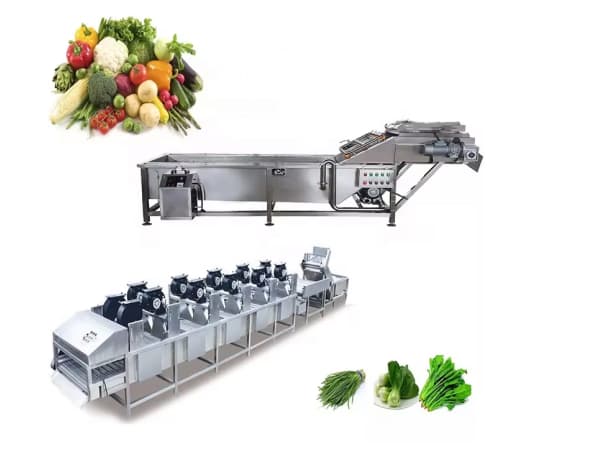
Linie de prelucrare a fructelor și legumelor – Producător
Liniile moderne de prelucrare a fructelor și legumelor joacă un rol critic în industria alimentară de astăzi. De la spălare și sortare până la decojire, tăiere, congelare, uscare, prăjire, și ambalaje, fiecare pas de procesare contribuie la calitatea produsului, siguranța alimentelor, si eficienta productiei.
Pe măsură ce cererea consumatorilor pentru alimente procesate continuă să crească, producătorii investesc în automatizări avansate, echipament igienic, și tehnologii eficiente din punct de vedere energetic. Liniile de procesare de înaltă calitate ajută fabricile să îmbunătățească productivitatea, reduce deșeurile, și să rămână competitive pe piața globală.
Fie că se produc legume congelate, suc de fructe, fructe uscate, sosuri, sau gustări, selectarea echipamentului potrivit pentru prelucrarea fructelor și legumelor este esențială pentru succesul pe termen lung în industria modernă de prelucrare a alimentelor.