Introducere
Industria alimentară globală continuă să se extindă rapid, deoarece consumatorii cer din ce în ce mai mult mai sănătoși, mai sigur, și produse alimentare mai convenabile. Ca urmare, prelucrarea fructelor și legumelor a devenit unul dintre cele mai importante sectoare ale producției moderne de alimente. Fructele și legumele procesate sunt utilizate pe scară largă în supermarketuri, Restaurante, fabrici de produse alimentare congelate, fabrici de producere a gustărilor, industriile băuturilor, și fabricarea de mâncare gata de consum.
Pentru fabricile de produse alimentare, procesarea eficientă a fructelor și legumelor poate îmbunătăți semnificativ capacitatea de producție, reducând în același timp costurile cu forța de muncă și minimizând risipa de materii prime. În plus, tehnologia modernă de procesare ajută la prelungirea duratei de valabilitate a produsului, menține valoarea nutritivă, și îmbunătățirea consistenței produsului. Prin urmare, mulți producători de alimente investesc masiv în utilaje automate, sisteme de control inteligente, și linii de producție igienice.
Ce este prelucrarea fructelor și legumelor?
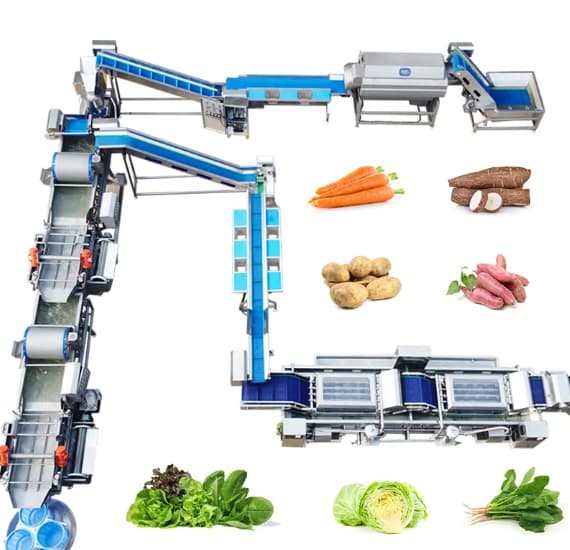
Prelucrarea fructelor și legumelor se referă la transformarea industrială a produselor agricole proaspete în alimente procesate cu valoare mai mare, termen de valabilitate îmbunătățit, și o mai bună comoditate.
În general, operațiunile de prelucrare includ:
- Spălat
- Triere
- Peeling
- Tăiere
- Albire
- Uscare
- Congelare
- Prăjire
- Preluare
- se face piure
- Sterilizare
- Ambalaj
Obiectivul principal este de a păstra prospețimea în timp ce face produsele mai ușor de transportat, magazin, si consuma. în consecinţă, produsele procesate pot ajunge pe piețe mai largi și rămân stabile pentru perioade mai lungi.
Astăzi, produsele obișnuite din fructe și legume prelucrate includ:
- Legume congelate
- Fructe uscate
- Suc de fructe
- Pastă de tomate
- Cartofi pai
- Chips de legume
- Piure de fructe
- Conserve de legume
- Salate proaspăt tăiate
- Legume murate
- Produse cu usturoi și ceapă
De ce este importantă prelucrarea fructelor și legumelor
Reducerea pierderilor după recoltare
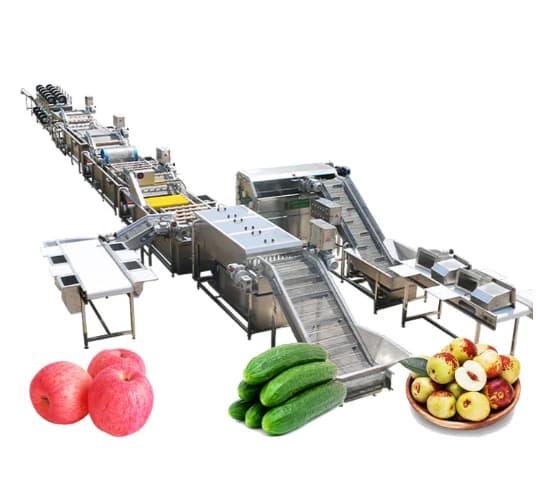
Fructele și legumele proaspete se strica repede dacă nu sunt procesate corespunzător. Prin urmare, prelucrarea industrială ajută la reducerea risipei alimentare și la îmbunătățirea utilizării produselor.
Creșterea valorii produsului
Produsele procesate generează de obicei profituri mult mai mari decât produsele agricole brute. De exemplu, cartofii pot deveni cartofi prăjiți congelați, în timp ce roșiile pot fi transformate în ketchup sau pastă de tomate. În mod similar, mango sunt adesea procesate în gustări uscate, suc, sau piure.
Îmbunătățirea siguranței alimentare
Echipamentele moderne de procesare ajută fabricile să mențină standarde stricte de igienă. În plus, sistemele automate reduc contactul uman în timpul producției, care minimizează și mai mult riscurile de contaminare.
Sprijinirea aprovizionării globale cu alimente
Produsele alimentare procesate pot fi transportate pe distanțe lungi fără deteriorare rapidă. în consecinţă, fabricile alimentare se pot extinde mai ușor pe piețele internaționale.
Principalele tipuri de prelucrare a fructelor și legumelor
Procesare proaspătă
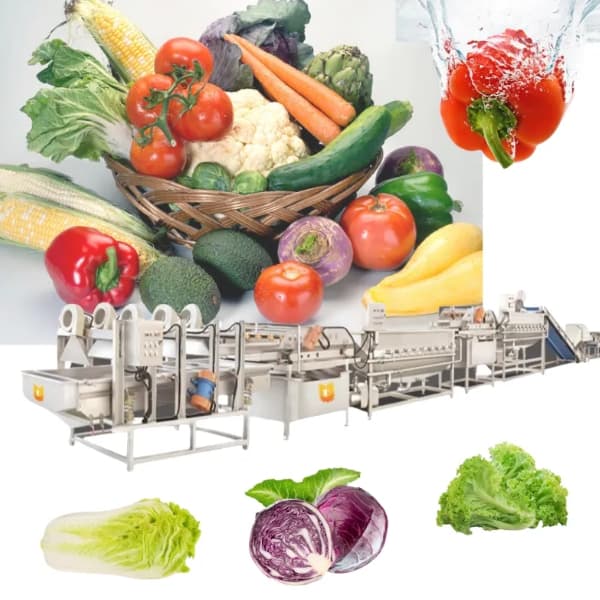
Prelucrarea proaspăt tăiată presupune spălare, peeling, tăiere, și ambalarea produselor proaspete, păstrând în același timp aspectul și textura proaspete.
Produsele comune includ:
- Salata de legume
- Merele tăiate felii
- Tăiați morcovii
- Legume gata de gătit
Avantajele procesării proaspete
Produsele proaspăt tăiate sunt din ce în ce mai populare, deoarece oferă confort consumatorilor. În plus, aceste produse necesită timp minim de pregătire.
Printre avantaje suplimentare se numără:
- Aspect proaspăt
- Timp scurt de pregătire
- Confort mai mare
- Cerere în creștere pe piață
Echipamentul principal folosit
De obicei, fabricile folosesc:
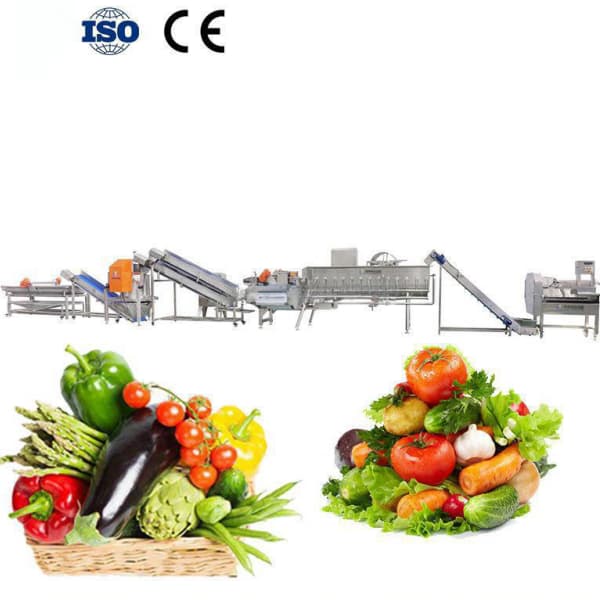
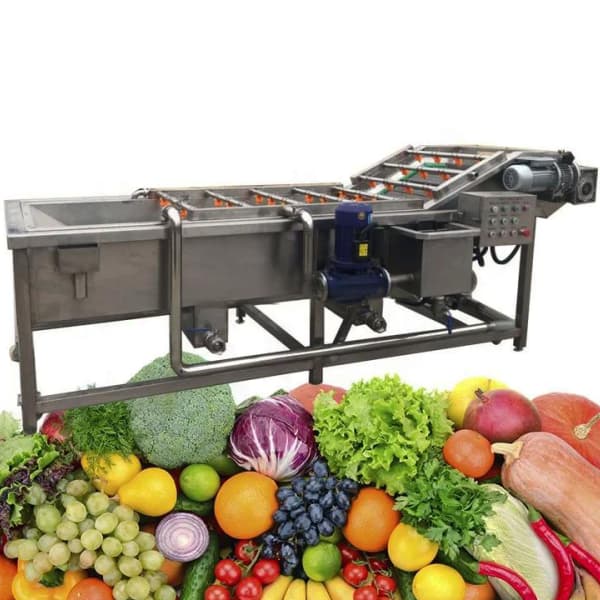
- Mașini de spălat cu bule
- Mașini de tăiat legume
- Sisteme de uscare a aerului
- Mașini de ambalat
Procesare de congelare
Fructele și legumele congelate sunt foarte populare în întreaga lume, deoarece congelarea păstrează nutrienții, culoare, și textura eficient.
Produsele tipice congelate includ:
- Mazare congelata
- Broccoli congelat
- Cuburi de mango congelate
- Cartofi prăjiți congelați
Tehnologia de congelare IQF
Înghețare rapidă individuală (IQF) tehnologia îngheață rapid produsele separat. Ca urmare, produsele nu se lipesc împreună și mențin o calitate mai bună.
Avantajele procesării congelate
Procesarea congelată oferă câteva beneficii importante. De exemplu, produsele congelate au un termen de valabilitate mai lung și o stabilitate excelentă la transport.
Alte avantaje includ:
- O mai bună păstrare a prospețimii
- Depozitare convenabilă
- Cerere puternică de export
- Alterarea redusă
Echipament principal pentru liniile de congelare
O linie de congelare standard poate include:
- Mașini de albire
- Mașini de deshidratare
- Congelatoare IQF
- Sisteme de ambalare
Uscare si deshidratare
Uscarea elimină umezeala din fructe și legume pentru a preveni creșterea microbiană și alterarea. Prin urmare, produsele deshidratate pot rămâne stabile pentru perioade îndelungate.
Produsele uscate populare includ:
- Mango uscat
- Stafide
- Fulgi de usturoi
- Pudră de ceapă
- Pulbere de legume
Metode comune de uscare
Uscare cu aer cald
Uscarea cu aer cald este utilizată pe scară largă deoarece este economică și potrivită pentru producția la scară largă.
Liofilizare
Liofilizarea păstrează mai eficient structura produsului și valoarea nutritivă. in orice caz, costul investitiei este semnificativ mai mare.
Uscarea în vid
Uscarea în vid este adesea folosită pentru produsele alimentare premium cu cerințe stricte de calitate.
Avantajele procesării prin uscare
Produsele deshidratate oferă multe beneficii comerciale. În special, costurile de transport și depozitare sunt mult mai mici datorită greutății și volumului redus.
Prelucrarea sucurilor și a băuturilor
Prelucrarea sucurilor de fructe rămâne unul dintre cele mai mari sectoare din industria băuturilor. În plus, cererea consumatorilor pentru băuturi sănătoase continuă să crească la nivel global.
Produsele populare cu sucuri includ:
- Suc de portocale
- Suc de mere
- Suc de mango
- Suc de legume amestecat
Procesul de producere a sucului
Procesul tipic de producție include:
- Spălat
- Triere
- Zdrobirea
- Extragerea sucului
- Filtrare
- Pasteurizare
- Umplere și ambalare
Echipamente importante de prelucrare a sucurilor
Echipamentul comun include:
- Concasoare de fructe
- Extractoare de suc
- Pasteurizatoare
- Mașini de umplere
Prelucrarea conservelor
Fructele și legumele conservate rămân importante deoarece oferă o stabilitate excelentă la depozitare fără refrigerare.
Exemplele includ:
- Conserve de piersici
- Conserve de ciuperci
- Conserve de porumb dulce
- Conserve de roșii
Avantajele conservei
Tehnologia de conservare oferă mai multe beneficii. De exemplu, produsele conservate pot menține o calitate stabilă pentru perioade lungi de timp.
Printre avantaje suplimentare se numără:
- Durată de valabilitate lungă
- Transport convenabil
- Alterarea redusă
- Depozitare usoara
Cerințe cheie pentru conserve
Pentru a asigura siguranța produsului, fabricile trebuie să controleze:
- Sterilizare
- Etanșare în vid
- Igiena ambalajelor
- Managementul temperaturii
Prelucrarea prăjirii
Gustările cu fructe și legume prăjite devin din ce în ce mai populare pe piețele internaționale. Prin urmare, multe fabrici de produse alimentare investesc în linii automate de producție de prăjire.
Produsele populare includ:
- Chipsuri de cartofi
- Chipsuri de banane
- Ceapa prajita
- Chips de legume
Etapele principale de producție
Procesul include în general:
- Spălat
- Peeling
- Tăierea
- Albire
- Prăjire
- Dezvoltare
- Asezonare
- Ambalaj
Echipamente importante pentru prăjire
Fabricile folosesc în mod obișnuit:
- Mașini de feliere
- Friteuze continue
- Sisteme de dezulegere
- Mașini de condimentare
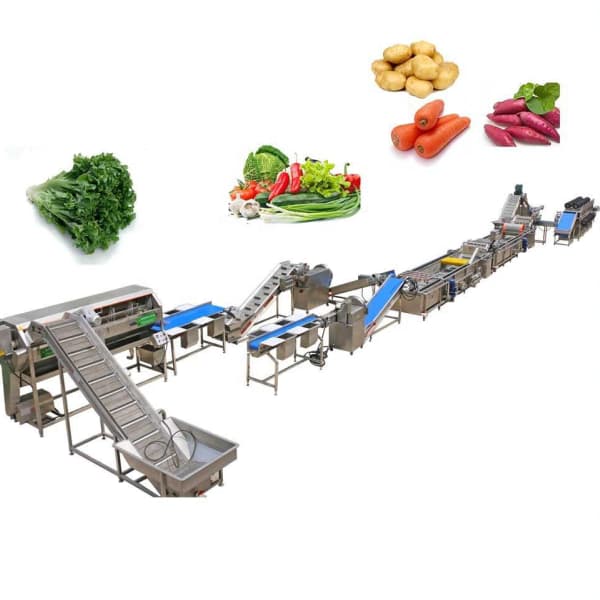
Linie completă de prelucrare a fructelor și legumelor
Fabricile moderne de produse alimentare combină de obicei mai multe mașini în sisteme de procesare complet automate. în consecinţă, eficiența producției și consistența produsului se îmbunătățesc semnificativ.
Primirea materiei prime
Fabricile inspectează mai întâi produsele primite cu atenție. De obicei, inspectorii de calitate evaluează:
- Prospeţime
- mărimea
- Maturitate
- Deteriorări de suprafață
- Materiale străine
Materiile prime de înaltă calitate sunt esențiale pentru producerea de produse finite premium.
Spălarea și curățarea
Spălarea corectă îndepărtează contaminanții și îmbunătățește siguranța alimentelor. În plus, curățarea eficientă îmbunătățește aspectul produsului.
De obicei, fabricile elimină:
- Murdărie
- Nisip
- Pietre
- Reziduuri de pesticide
- Resturi vegetale
Echipament comun de spălat
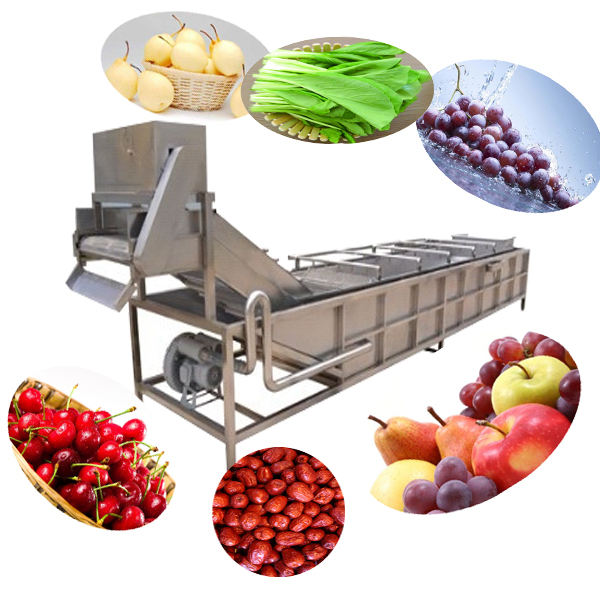
Mașini de spălat cu bule
Aceste aparate folosesc bule de aer și circulația apei pentru o curățare delicată.
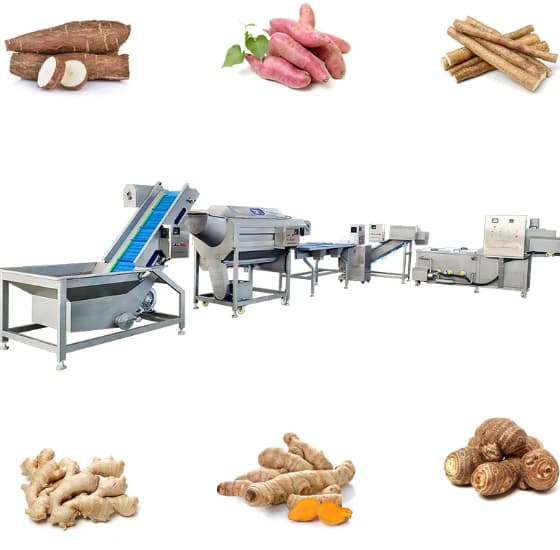
Mașini de spălat cu perie
Perii de spălat sunt potrivite pentru cartofi, morcovi, și legume rădăcinoase.
Spray Spray
Mașinile de spălat cu pulverizare folosesc sisteme de apă de înaltă presiune pentru curățarea suprafețelor.
Sortare și clasificare
Sistemele de sortare îmbunătățesc consistența produsului și reduc defectele. în zilele noastre, multe fabrici folosesc tehnologia automată de sortare optică.
Metode comune de sortare
- Sortare manuală
- Clasificarea greutății
- Clasificarea mărimii
- Sortare optică a culorilor
Pentru că sistemele de viziune AI devin din ce în ce mai avansate, precizia sortării se îmbunătățește continuu.
Peeling
Diferite fructe și legume necesită tehnologii diferite de decojire.
Metode comune de peeling
Peeling mecanic
Peelingul mecanic este folosit în mod obișnuit pentru cartofi și morcovi.
Peeling cu abur
Peelingul cu abur oferă o eficiență ridicată pentru liniile de producție industrială.
Peeling chimic
Anumite aplicații de prelucrare a fructelor folosesc metode chimice de peeling.
Tăiere și feliere
Tăierea de precizie îmbunătățește uniformitatea produsului și aspectul final. În plus, tăierea consistentă ajută la îmbunătățirea performanței de gătit și congelare.
Tipuri de tăiere
- Joc cu zaruri
- Tăierea
- Cubaj
- Mărunțirea
- Tăiere în bandă
Mașinile moderne de tăiat oferă dimensiuni reglabile și capacități de procesare de mare viteză.
Albire
Albirea folosește abur sau apă fierbinte pentru a îmbunătăți stabilitatea produsului înainte de congelare sau uscare.
Acest proces ajută:
- Inactivează enzimele
- Păstrează culoarea
- Îmbunătățiți textura
- Reduce bacteriile
Prin urmare, albirea este o etapă esențială în multe linii de producție.
Uscarea sau prăjirea
În funcție de produsul final, fabricile pot folosi uscătoare, friteuze, liofilizatoare, sau friteuitoare cu vid. Între timp, eficiența energetică a devenit din ce în ce mai importantă în aceste operațiuni.
Ambalaj
Ambalajul protejează calitatea alimentelor și prelungește durata de valabilitate. În plus, ambalajul atractiv îmbunătățește competitivitatea pe piață.
Tipuri comune de ambalare
- Saci de vid
- Pungi cu perne
- Tavi din plastic
- Pungi stand-up
- Cutii metalice
Tehnologii avansate de ambalare
Fabricile moderne folosesc adesea:
- Etanșare în vid
- Spălare cu azot
- Ambalare în atmosferă modificată
Echipamente importante de prelucrare a fructelor și legumelor
Mașini de spălat
Sistemele moderne de spălare îmbunătățesc eficiența curățării, reducând în același timp deteriorarea produsului.
Caracteristici principale
- Construcție din oțel inoxidabil
- Sisteme de reciclare a apei
- Control reglabil al vitezei
- Filtrare automată
Mașini de sortat
Sistemele optice de sortare folosesc camere și senzori pentru a detecta automat produsele defecte.
Principalele beneficii
- Costuri reduse cu forța de muncă
- Precizie mai mare de sortare
- O mai bună consistență a produsului
Freze industriale
Mașinile de tăiat de mare viteză procesează în mod eficient volume mari de producție.
Aplicații tipice
- Cartofi pai
- Cuburi de legume
- Felii de fructe
- Ingrediente pentru salată
Mașini de albire
Albitoarele industriale asigură un control stabil al temperaturii pentru o calitate constantă a procesării.
Tipuri comune
- Albitoare continue
- Albitoare cu abur
- Albitoare cu apă fierbinte
Mașini de uscare
Uscatoarele sunt esentiale pentru productia de alimente deshidratate.
Tipuri populare de uscător
- Uscătoare cu curele
- Uscătoare de tăvi
- Uscătoare cu vid
- Liofilizatoare
Friteuze industriale
Friteuzele continue sunt utilizate pe scară largă în liniile de producție a gustărilor.
Caracteristici principale
- Control automat al temperaturii
- Sisteme de filtrare a uleiului
- Hrănire continuă
- Design cu economie de energie
Echipament de congelare
Congelatoarele IQF congelează rapid produsele, păstrând în același timp calitatea și aspectul.
Principalele avantaje
- Textura mai buna
- Aspect îmbunătățit
- Termen de valabilitate mai lung
Siguranța alimentelor în prelucrarea fructelor și legumelor
Siguranța alimentară este extrem de importantă pentru fiecare fabrică de alimente. Prin urmare, fabricile de procesare trebuie să respecte standarde internaționale stricte.
Sistemul HACCP
Analiza pericolelor și puncte critice de control (HACCP) ajută fabricile să identifice și să controleze eficient riscurile pentru siguranța alimentelor.
Zone critice de control
- Inspecția materiei prime
- Calitatea spălării
- Controlul temperaturii
- Detectarea metalelor
- Igiena ambalajelor
Standarde GMP
Bunele practici de fabricație asigură medii de producție igienice.
Cerințe GMP
- Facilități curate
- Igiena angajatului
- Controlul dăunătorilor
- Igienizarea echipamentelor
Echipamente din oțel inoxidabil
Oțelul inoxidabil alimentar este utilizat pe scară largă deoarece rezistă la coroziune și previne contaminarea. În plus, echipamentele din oțel inoxidabil sunt ușor de curățat și întreținut.
304 oțelul inoxidabil este deosebit de comun în fabricile de produse alimentare.
Automatizare în fabricile moderne de alimente
Automatizarea transformă industria de prelucrare a fructelor și legumelor la nivel mondial.
Beneficiile automatizării
Costuri mai mici cu forța de muncă
Liniile de producție automate reduc dependența de munca manuală.
Eficiență mai mare a producției
Mașinile pot funcționa continuu cu performanțe stabile.
O mai bună consistență a produsului
Automatizarea îmbunătățește uniformitatea dimensiunilor și controlul calității.
Reducerea risipei alimentare
Prelucrarea precisă reduce la minimum pierderile de materii prime.
Tehnologii Smart Factory
Fabricile moderne adoptă din ce în ce mai mult tehnologii avansate precum:
- Sisteme de control PLC
- Interfețe cu ecran tactil
- Inspecție vizuală AI
- Ambalare robotizată
- Sisteme de monitorizare IoT
Ca urmare, managementul producției devine mai eficient și mai fiabil.
Eficiența Energetică în Uzinele de Procesare
Costurile energiei rămân o preocupare majoră pentru producătorii de alimente. în consecinţă, fabricile investesc în tehnologii de economisire a energiei.
Soluții de economisire a energiei
Sisteme de recuperare a căldurii
Aceste sisteme recuperează căldura de la friteuze sau uscătoare pentru reutilizare.
Unități de frecvență variabilă
Unitățile de frecvență variabilă reduc consumul de energie electrică în motoare.
Echipamente izolate
Izolația îmbunătățește eficiența termică și reduce pierderile de energie.
Sisteme de reciclare a apei
Sistemele de reciclare a apei ajută la reducerea consumului de apă în timpul operațiunilor de spălare.
Producția durabilă devine un avantaj competitiv major în industria alimentară globală.
Produse populare din fructe și legume pentru fabricile alimentare
Produse din cartofi
Cartofii sunt printre cele mai procesate legume din lume.
Produse comune din cartofi
- Cartofi pai
- Chipsuri de cartofi
- Fulgi de cartofi
- Cartofi congelați
Produse din tomate
Roșiile sunt procesate pe scară largă în:
- Pastă de tomate
- Ketchup
- Sos de rosii
- Piure
Produse cu ceapă și usturoi
Produsele populare cu ceapă și usturoi includ:
- Ceapa prajita
- Pudră de usturoi
- Fulgi de ceapă
- Pastă de usturoi
Produse cu mango
Procesarea mango include:
- Piure de mango
- Mango uscat
- Cuburi de mango congelate
- Suc de mango
Produse Apple
Merele sunt de obicei prelucrate în:
- Suc
- Gustări uscate
- Sos de mere
- Felii congelate
Provocări în prelucrarea fructelor și legumelor
Aprovizionare sezonieră cu materii prime
Fabricile trebuie să gestioneze fluctuațiile sezonului de recoltare și disponibilitatea materiilor prime.
Perioada de valabilitate a produsului
Menținerea prospețimii și a valorii nutritive rămâne o provocare majoră.
Creșterea costurilor cu forța de muncă
Pentru că cheltuielile cu forța de muncă continuă să crească, automatizarea devine din ce în ce mai importantă.
Reglementări privind siguranța alimentelor
Fabricile trebuie să respecte standardele internaționale stricte de siguranță alimentară.
Consum de energie
Instalațiile de procesare consumă cantități semnificative de electricitate și energie termică.
Tendințele viitoare în prelucrarea fructelor și legumelor
Automatizare sporită
AI și robotica vor continua să înlocuiască operațiunile manuale în fabricile de produse alimentare.
Cerere de gustări sănătoase
Consumatorii preferă din ce în ce mai mult gustările naturale din fructe și legume.
Fabricare durabilă
Fabricile investesc în:
- Energie regenerabilă
- Reciclarea apei
- Ambalaj ecologic
Fabricare inteligentă
Fabricile digitale cu sisteme de monitorizare în timp real devin din ce în ce mai frecvente.
Creșterea alimentelor pe bază de plante
Ingredientele vegetale procesate sunt din ce în ce mai folosite în produsele alimentare pe bază de plante.
Cum să alegi echipamentele de prelucrare a fructelor și legumelor
Fabricile alimentare ar trebui să evalueze mai mulți factori înainte de a cumpăra utilaje.
Capacitatea de producție
Fabricile ar trebui să aleagă echipamente care să corespundă cerințelor zilnice de producție.
Tip produs
Diferite produse necesită tehnologii de procesare specializate.
Nivel de automatizare
Producătorii ar trebui să echilibreze economiile de forță de muncă cu costurile de investiție.
Calitatea materialelor
Echipamentele din oțel inoxidabil de calitate alimentară sunt esențiale pentru igiena și durabilitate.
Serviciu după vânzare
Suportul tehnic de încredere este esențial pentru producția industrială.
Consum de energie
Mașinile eficiente din punct de vedere energetic ajută la reducerea costurilor de operare pe termen lung.
Beneficiile investiției în linii de procesare moderne
Sistemele moderne de procesare ajută fabricile:
- Creșteți productivitatea
- Îmbunătățiți siguranța alimentară
- Reduceți costurile cu forța de muncă
- Îmbunătățiți calitatea produsului
- Extindeți oportunitățile de export
- Îmbunătățiți profitabilitatea
Prin urmare, fabricile care utilizează automatizări avansate obțin adesea o competitivitate mai puternică pe piață.
Prelucrarea fructelor și legumelor- Mașină de mâncare DT
Prelucrarea fructelor și legumelor a devenit unul dintre cele mai importante sectoare ale producției moderne de alimente. Ca cerere globală pentru convenabil, sănătos, iar produsele alimentare cu durată lungă de valabilitate continuă să crească, fabricile alimentare trebuie să adopte tehnologii de procesare eficiente și igienice pentru a rămâne competitive.
De la spălare și sortare până la congelare, uscare, prăjire, și ambalaje, fiecare etapă de procesare joacă un rol critic în siguranța alimentelor și calitatea produsului. În plus, liniile moderne de producție automatizate ajută fabricile să îmbunătățească eficiența, reduce deșeurile, costuri mai mici cu forța de muncă, și atinge standarde de producție consistente.
În anii următori, automatizare inteligentă, producție durabilă, și tehnologiile eficiente din punct de vedere energetic vor continua să modeleze industria de prelucrare a fructelor și legumelor. în consecinţă, fabricile de alimente care investesc în echipamente avansate de procesare și sisteme moderne de producție vor fi mai bine poziționate pentru creșterea pe termen lung și succesul pe piața internațională.