The demand for healthier snack options has transformed food processing technology over the past decade. Among the most innovative solutions is the vacuum fryer, a system designed to produce crispy, flavorful fried foods with reduced oil content and improved nutritional retention. This technology has become especially popular in the production of fruit chips, vegetable snacks, and premium fried products where color, gosto, and texture are critical.
A vacuum fryer operates under reduced atmospheric pressure, allowing food to be fried at significantly lower temperatures compared to conventional frying. This difference is not just technical—it directly affects product quality, shelf life, and market value. For food manufacturers aiming to produce high-end snack products, understanding how vacuum frying works and why it matters is essential.
Understanding the Working Principle of a Vacuum Fryer
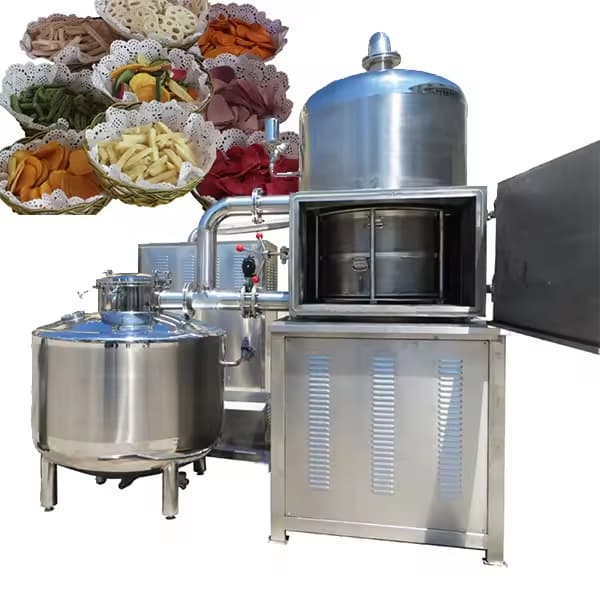
Em sua essência, a vacuum frying machine creates a low-pressure environment inside a sealed chamber. When pressure decreases, the boiling point of water drops. This means moisture inside the food can evaporate at lower temperatures, typically between 80°C and 120°C, instead of the 160°C to 180°C required in traditional frying.
The process follows several stages:
- Loading the raw material
Fresh fruits or vegetables are washed, descascado, sliced, and loaded into the frying basket. - Vacuum creation
A vacuum pump reduces the pressure inside the frying chamber. - Low-temperature frying
Heated oil circulates while the product is fried under vacuum conditions. - De-oiling process
Depois de fritar, centrifugal de-oiling removes excess oil from the product surface. - Cooling and unloading
The finished product is cooled under controlled conditions to preserve crispness.
This method minimizes oxidation, prevents excessive browning, and preserves natural pigments and nutrients.
Key Features of a Vacuum Frying Machine
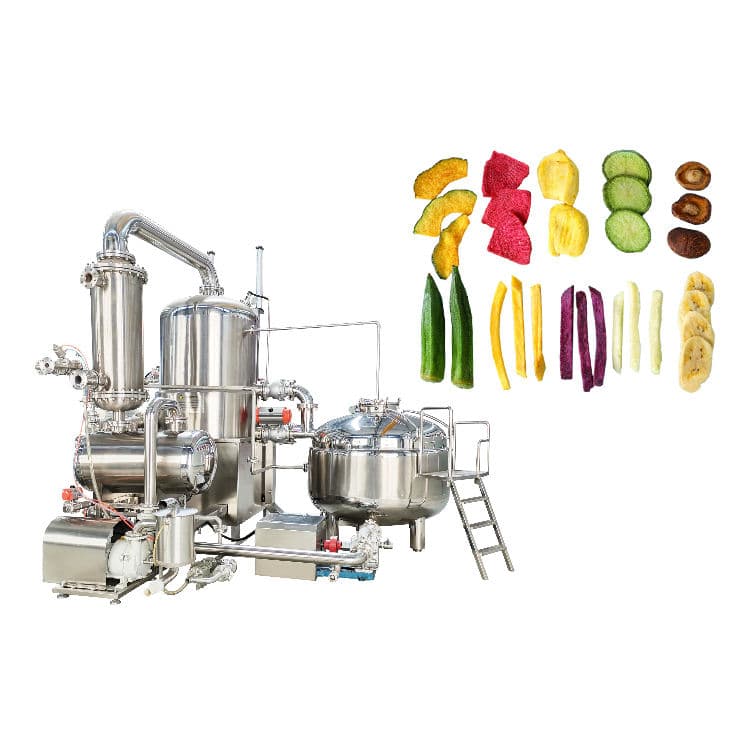
A modern vacuum fryer is a sophisticated system composed of multiple integrated components:
- Vacuum frying chamber
- Oil heating system
- Vacuum pump and condenser
- Oil filtration and circulation unit
- De-oiling centrifuge
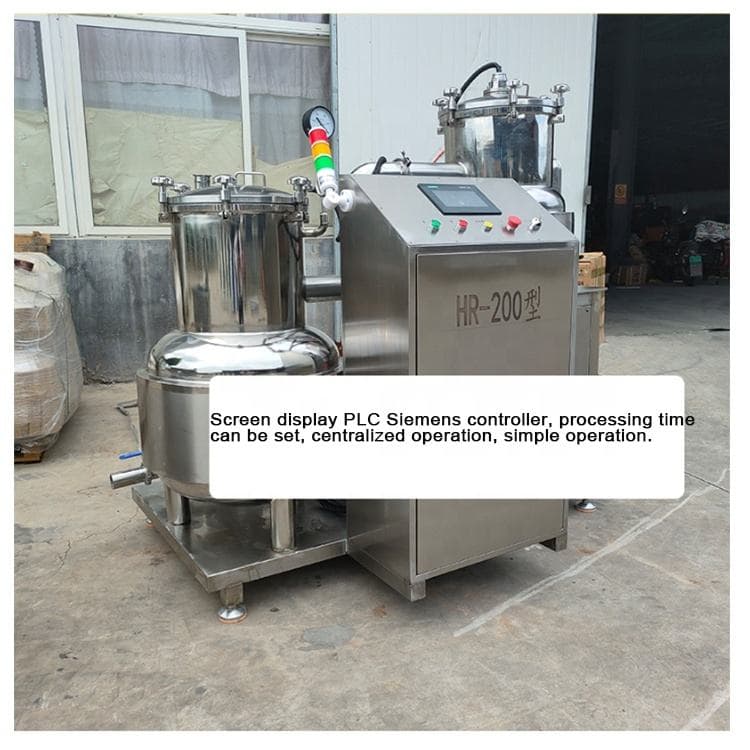
- Sistema de controle (PLC or touchscreen interface)
These components work together to ensure consistent product quality and efficient operation. Advanced systems also include automatic temperature control, oil level monitoring, and programmable frying cycles.
Advantages of Vacuum Frying Technology
1. Lower Oil Content
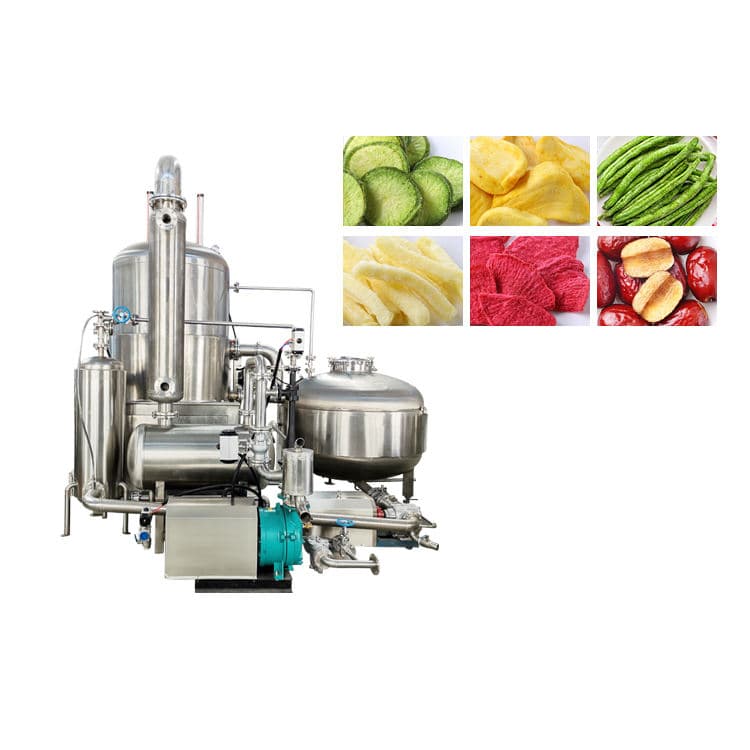
One of the most significant benefits of vacuum frying is reduced oil absorption. Because frying occurs at lower temperatures and under vacuum, less oil penetrates the food structure. This results in a healthier final product with a lighter texture.
2. Better Color Retention
Traditional frying often leads to dark or uneven coloring due to high temperatures and oxidation. Vacuum frying preserves the natural color of raw materials, making products more visually appealing.
3. Enhanced Flavor and Aroma
The low-temperature environment prevents the degradation of volatile flavor compounds. Como resultado, the natural taste of fruits and vegetables is better preserved.
4. Nutritional Preservation
Heat-sensitive nutrients such as vitamins A, C, and E are better retained in vacuum-fried products. This makes them more attractive to health-conscious consumers.
5. Reduced Formation of Harmful Compounds
Vacuum frying significantly reduces the formation of acrylamide, a potentially harmful compound formed at high frying temperatures.
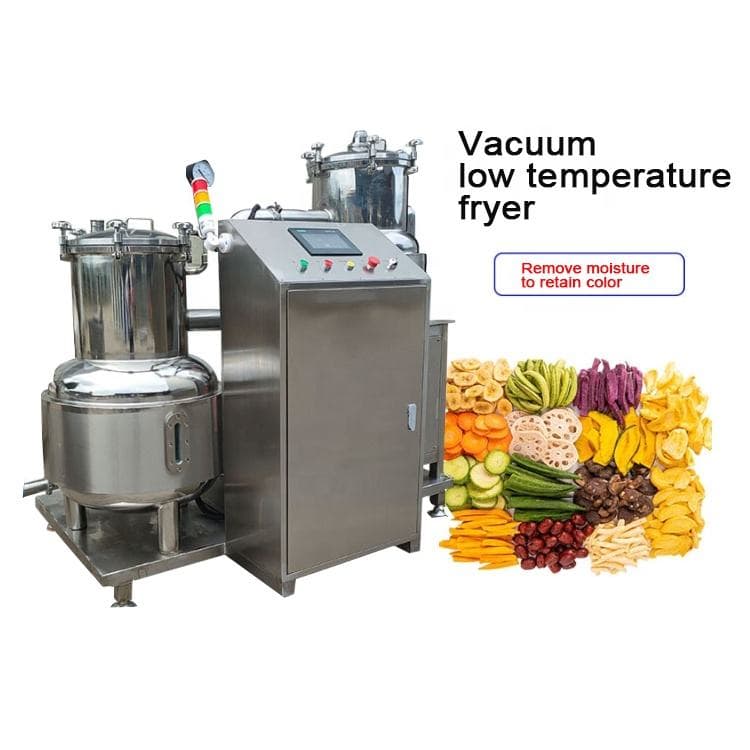
Applications of Vacuum Fryers in Food Processing
Vacuum fryers are widely used across various segments of the food industry. Their versatility allows manufacturers to process a broad range of raw materials.
Fruit Chips Production
Popular products include:
- Apple chips
- Chips de banana
- Fatias de manga
- Pineapple chips
- Jackfruit snacks
These products maintain their natural sweetness and vibrant color, making them premium snack items.
Vegetable Snacks
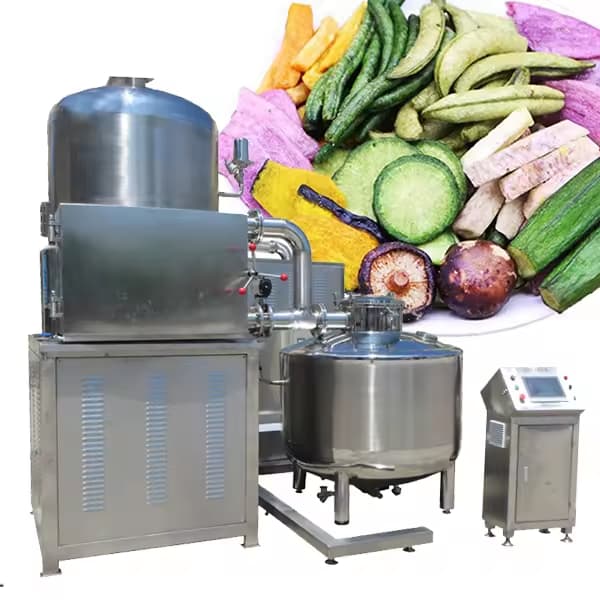
Vacuum frying is ideal for producing:
- Batatas fritas
- Chips de batata doce
- Carrot chips
- Pumpkin slices
- Green bean snacks
Compared to traditional chips, these products are less greasy and more nutritious.
Produtos Especiais
Manufacturers also use vacuum frying for:
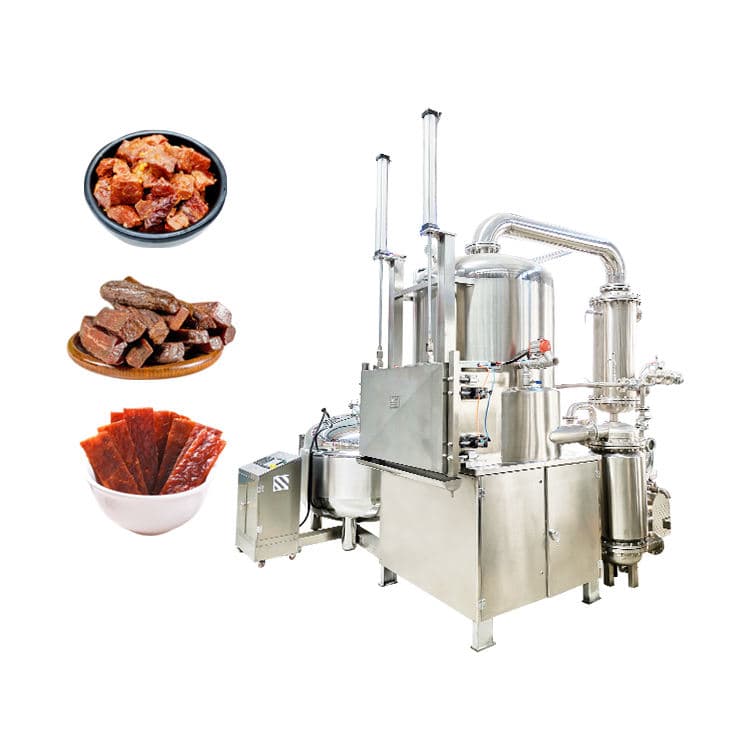
- Seafood snacks
- Mushroom chips
- Herbal and medicinal plant processing
Vacuum Fryer vs Traditional Frying Methods
| Recurso | Vacuum Frying | Conventional Frying |
|---|---|---|
| Temperatura | 80–120ºC | 160–180ºC |
| Oil Absorption | Baixo | Alto |
| Retenção de Nutrientes | Alto | Baixo |
| Preservação de Cor | Excelente | Moderate to Poor |
| Prazo de validade | Mais longo | Mais curto |
| Acrylamide Formation | Minimal | Mais alto |
This comparison clearly shows why vacuum frying has become the preferred choice for high-quality snack production.
Types of Vacuum Fryers
Batch Vacuum Fryer
A batch vacuum fryer processes food in discrete cycles. It is suitable for small to medium-scale production and offers flexibility for different product types.
Continuous Vacuum Fryer
A continuous vacuum frying system is designed for large-scale industrial production. It allows uninterrupted processing, higher output, e qualidade consistente.
Automatic Vacuum Frying Machine
Fully automatic systems integrate all functions, including feeding, fritar, De-oleando, and discharging. These machines reduce labor costs and improve efficiency.
Important Technical Parameters
When selecting a vacuum fryer, several technical specifications should be considered:
| Parâmetro | Faixa típica |
|---|---|
| Capacidade | 50–500 kg/lote |
| Temperatura de fritura | 80–120ºC |
| Vacuum Degree | -0.08 para -0.095 MPa |
| Método de aquecimento | Elétrico / Vapor |
| Material | SUS304 / SUS316 Stainless Steel |
| Sistema de controle | PLC Automatic Control |
| Consumo de petróleo | Low with filtration system |
These parameters vary depending on production requirements and product type.
Oil Management in Vacuum Frying
Oil quality is critical in any frying process. In vacuum frying, oil degradation is slower due to reduced oxygen exposure and lower temperatures. No entanto, proper oil management is still essential.
Key practices include:
- Regular filtration to remove food particles
- Monitoring oil acidity and viscosity
- Maintaining stable frying temperatures
- Using high-quality edible oils
A well-designed vacuum frying machine includes an integrated oil filtration system to extend oil life and maintain product quality.
Raw Material Preparation for Vacuum Frying
The quality of the final product starts with proper raw material preparation. Isso inclui:
- Washing and cleaning
- Peeling and slicing
- Branqueamento (for some vegetables)
- Osmotic dehydration (opcional)
O fatiamento uniforme garante fritura uniforme e textura consistente. Moisture content should also be controlled to achieve optimal crispness.
Energy Efficiency and Cost Considerations
Although the initial investment in a vacuum fryer is higher than traditional fryers, the long-term benefits often outweigh the cost.
Factors influencing cost:
- Capacidade da máquina
- Nível de automação
- Qualidade dos materiais
- Heating system type
Cost-saving advantages:
- Redução do consumo de óleo
- Lower product rejection rate
- Higher product value
- Extended oil lifespan
Para muitos fabricantes, vacuum frying offers a strong return on investment through premium product positioning.
Maintenance and Operation
Proper maintenance ensures stable performance and long service life.
Daily maintenance:
- Cleaning the frying chamber
- Checking vacuum seals
- Inspecting oil levels
Periodic maintenance:
- Replacing vacuum pump oil
- Checking electrical components
- Inspecting filtration systems
Operators should also be trained to monitor key parameters such as temperature, pressão, and frying time.
Market Trends and Demand
The global snack market is shifting toward healthier alternatives. Consumers are increasingly looking for products that are:
- Baixo teor de gordura
- Free from artificial additives
- Rich in natural nutrients
Vacuum-fried products meet all these criteria. Como resultado, demand for vacuum frying machines continues to grow, especially in regions with strong snack consumption and health awareness.
Choosing the Right Vacuum Fryer Manufacturer
Selecting a reliable manufacturer is crucial for long-term success. Key factors to consider include:
- Manufacturing experience
- Quality certifications
- Customization capability
- Serviço pós-venda
- Suporte técnico
A well-established manufacturer can provide not only equipment but also production guidance, helping clients achieve optimal results.
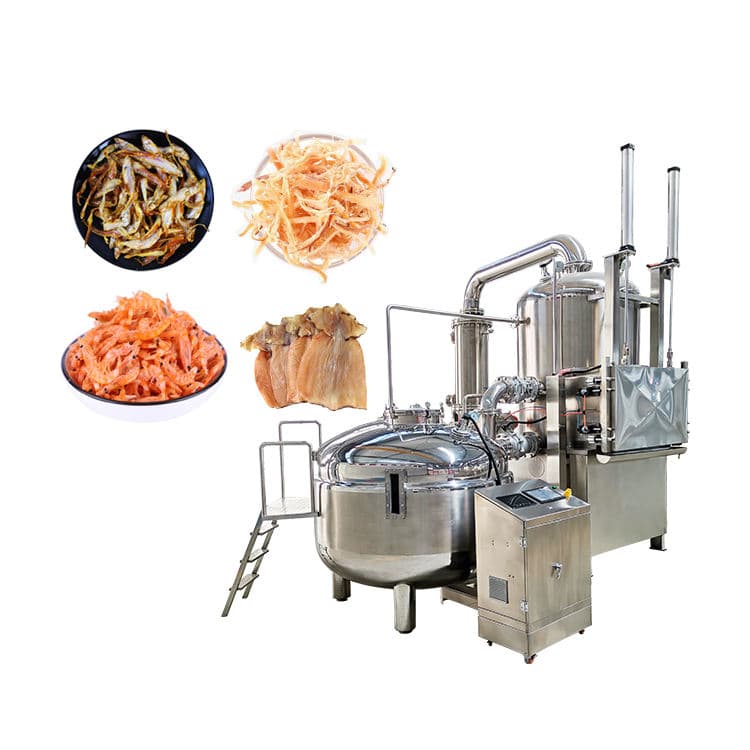
Máquina de alimentos DT: Professional Vacuum Fryer Manufacturer
DT Food Machine specializes in the design and production of advanced vacuum frying equipment for global markets. With years of experience in food processing machinery, the company offers a complete range of solutions tailored to different production scales.
Key strengths include:
- Construção em aço inoxidável de alta qualidade
- Advanced PLC control systems
- Designs com eficiência energética
- Configurações personalizáveis
- Comprehensive technical support
DT Food Machine provides both batch and continuous vacuum frying systems, suitable for processing fruits, vegetais, and specialty snacks. The company focuses on delivering reliable equipment that meets international standards while helping customers maximize productivity and product quality.
Future Development of Vacuum Frying Technology
As food technology continues to evolve, vacuum frying systems are becoming more advanced. As tendências futuras incluem:
- Integration with smart factory systems
- Improved energy efficiency
- Enhanced automation and remote monitoring
- Development of multi-functional processing lines
These innovations will further expand the applications of vacuum frying and improve its competitiveness in the global market.