The demand for frozen French fries in Europe continues to grow steadily, driven by fast food chains, supermarkets, catering services, and private-label brands. As a result, investing in a Frozen French Fries Machine to Europe has become a strategic decision for food manufacturers, processors, and entrepreneurs looking to enter or expand within the European frozen food market.
We have guide to exporting and installing frozen French fries machines for the European market. It covers processing principles, machine configurations, EU standards, pricing considerations, logistics, and how to choose the right supplier.
1. Growing Demand for Frozen French Fries in Europe
Europe is one of the world’s largest consumers of frozen potato products. Countries such as Germany, France, the Netherlands, Belgium, Spain, Italy, and Poland have mature cold-chain infrastructure and strong demand for frozen French fries.
Key market drivers include:
- Expansion of fast-food and quick-service restaurants
- Growth of frozen food consumption in retail supermarkets
- Demand for standardized, high-quality potato products
- Increasing private-label frozen food production
Because of this, more food processors are sourcing Frozen French Fries Machine to Europe from experienced manufacturers, particularly from Asia, to balance cost efficiency and industrial performance.
2. What Is a Frozen French Fries Machine?
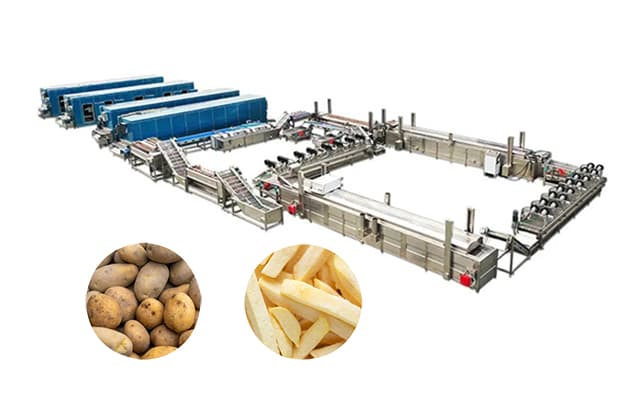
A frozen French fries machine is not a single unit, but a complete processing system designed to transform raw potatoes into frozen, ready-to-cook French fries.
A typical frozen French fries processing line includes:
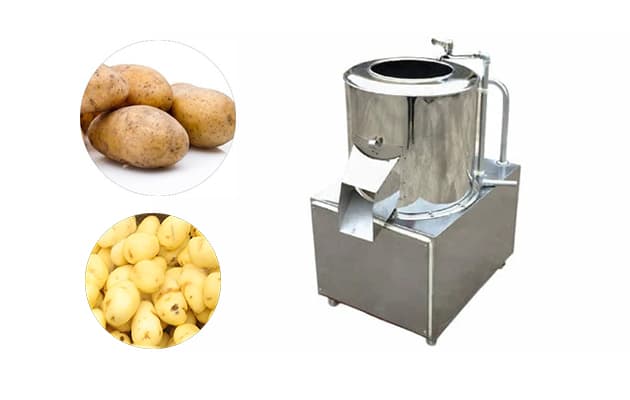
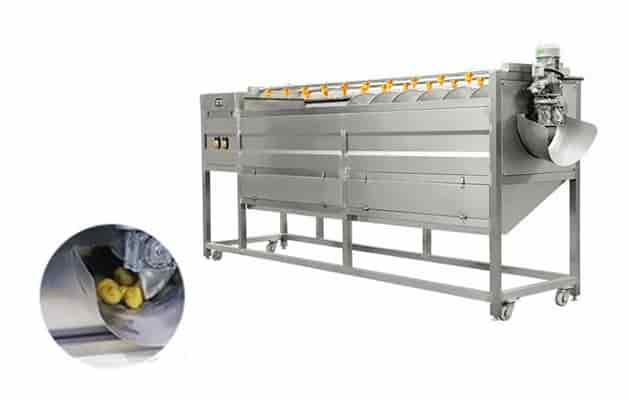
- Potato washing and peeling machine
- French fries cutting machine
- Blanching machine
- Dewatering and air-drying system
- Frying machine (optional, depending on product type)
- IQF freezing machine or tunnel freezer
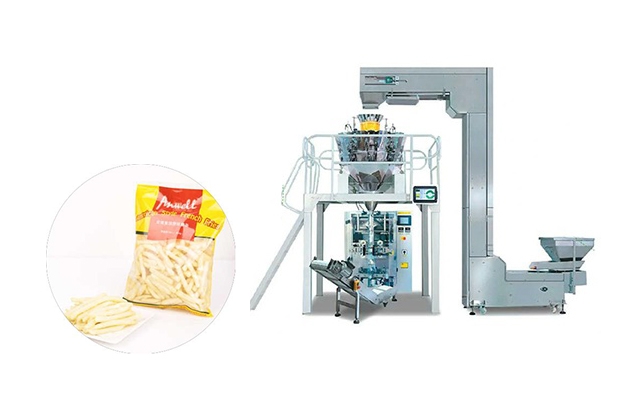
- Packaging machine
When exporting a Frozen French Fries Machine to Europe, the system must be designed according to European hygiene, safety, and food-processing standards.
3. Frozen French Fries Machine to Europe: Processing Flow Explained
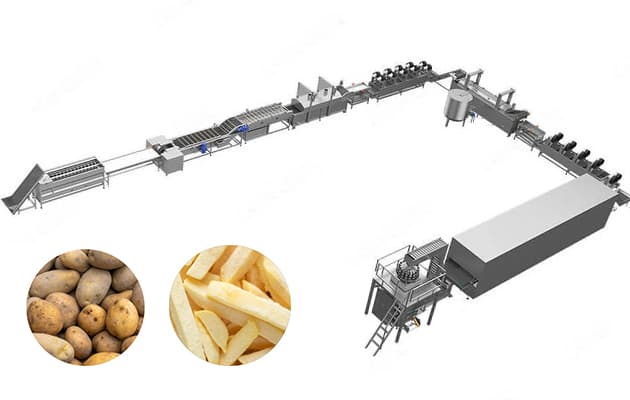
Understanding the production process helps buyers choose the correct machine configuration.
Step 1: Potato Washing and Peeling
Raw potatoes are cleaned to remove soil and impurities. Abrasive or steam peeling systems are commonly used for European-grade processing lines.
Step 2: French Fries Cutting
Potatoes are cut into uniform strips (7×7 mm, 9×9 mm, 10×10 mm, etc.), ensuring consistency required by European food brands.
Step 3: Blanching
Blanching removes excess starch, improves texture, and stabilizes color. Precise temperature control is essential for EU market standards.
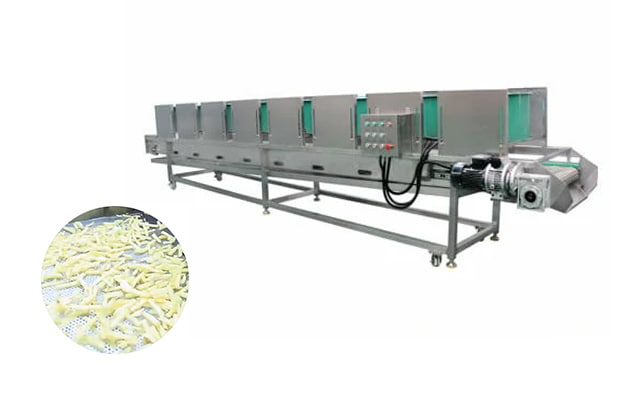
Step 4: Dewatering and Drying
Surface moisture is removed using vibration and air-drying systems, improving frying efficiency and freezing quality.
Step 5: Frying (Optional)
For pre-fried frozen French fries, continuous frying machines are used. Oil filtration and temperature stability are critical.
Step 6: Freezing
IQF (Individual Quick Freezing) or tunnel freezing systems rapidly freeze fries, preserving taste, texture, and nutritional value.
Step 7: Packaging
Frozen fries are packed using automatic weighing and packaging machines compatible with European retail and foodservice packaging formats.
4. Types of Frozen French Fries Machines for Europe
Different buyers require different configurations. Common options include:
Small-Scale Frozen French Fries Machine to Europe
- Capacity: 200–500 kg/h
- Suitable for startups, local brands, pilot factories
- Lower investment, easier installation
Medium-Scale Processing Line
- Capacity: 500–1000 kg/h
- Ideal for regional suppliers and export-oriented factories
Industrial Frozen French Fries Production Line
- Capacity: 1000–3000 kg/h or more
- Fully automatic, PLC-controlled
- Designed for large European distributors and private-label production
5. EU Standards and Compliance Requirements
Exporting a Frozen French Fries Machine to Europe requires strict compliance with European regulations.
Key requirements include:
- CE certification
- Food-grade stainless steel (SUS304 / SUS316)
- Compliance with HACCP and EHEDG design principles
- Electrical standards compatible with European voltage and frequency
- Safety guards, emergency stops, and operator protection
Reputable suppliers provide complete documentation, including technical drawings, manuals, and conformity certificates.
6. Frozen French Fries Machine to Europe Price Factors
The price of a frozen French fries machine varies depending on multiple factors:
- Production capacity
- Level of automation
- Frying and freezing technology
- Material quality and brand of components
- Customization for European standards
Typical Price Ranges (Reference Only)
- Small line: USD 30,000 – 80,000
- Medium line: USD 80,000 – 200,000
- Industrial line: USD 200,000 – 500,000+
European buyers often find that sourcing a Frozen French Fries Machine to Europe from China or Asia offers significant cost advantages without compromising quality when working with reliable manufacturers.
7. Logistics and Shipping to Europe
Shipping frozen French fries machines to Europe usually involves:
- Sea freight (FCL containers)
- Port delivery to Rotterdam, Hamburg, Antwerp, Valencia, or Genoa
- Professional export packaging and moisture protection
Experienced suppliers assist with:
- Export documentation
- HS codes and customs clearance support
- Installation guidance and remote commissioning
8. Installation and After-Sales Support
For European buyers, after-sales service is a key decision factor.
A professional Frozen French Fries Machine to Europe supplier should offer:
- Installation layout drawings
- Online or on-site technical support
- Training for operators
- Spare parts supply
- Long-term maintenance guidance
9. Choosing the Right Frozen French Fries Machine Supplier
When selecting a supplier for Europe, consider the following:
- Proven export experience to EU countries
- Ability to customize machines for EU standards
- Transparent pricing and clear technical specifications
- Strong references and real project cases
- Responsive communication and technical support
A reliable supplier is not just a machine seller, but a long-term processing partner.
10. Frozen French Fries Machine to Europe vs Local European Equipment
Many European processors compare imported machines with locally manufactured equipment.
Advantages of Importing:
- Lower investment cost
- Flexible customization
- Competitive technology upgrades
Considerations:
- Ensure CE compliance
- Confirm after-sales support
- Verify component brands
For many buyers, importing a Frozen French Fries Machine to Europe offers the best balance between cost and performance.
11. Future Trends in the European Frozen Fries Industry
The future of frozen French fries processing in Europe focuses on:
- Energy-efficient machines
- Reduced oil consumption
- Automation and smart control systems
- Sustainable and eco-friendly designs
Modern frozen French fries machines are increasingly designed to meet these evolving requirements.
12. Frozen French Fries Machine to Europe
Investing in a Frozen French Fries Machine to Europe is a strategic move for food processors targeting the European frozen food market. By choosing the right machine configuration, ensuring compliance with EU standards, and partnering with an experienced supplier, buyers can achieve stable production, consistent quality, and long-term profitability.
Whether you are a startup, an expanding factory, or a large-scale food manufacturer, a well-designed frozen French fries processing line can help you successfully compete in Europe’s demanding but rewarding market.