
Vegetable Washing Machine Commercial
The global food processing industry is growing rapidly, and hygiene standards are becoming stricter every year. As a result, investing in a Vegetable Washing Machine Commercial system has become essential for restaurants, food factories, frozen vegetable manufacturers, central kitchens, and agricultural processing companies.
A commercial vegetable washing machine improves cleaning efficiency, reduces labor costs, increases food safety, and helps businesses maintain consistent product quality. Whether you operate a small vegetable processing workshop or a fully automated vegetable processing line, choosing the right industrial washing equipment can significantly improve productivity.
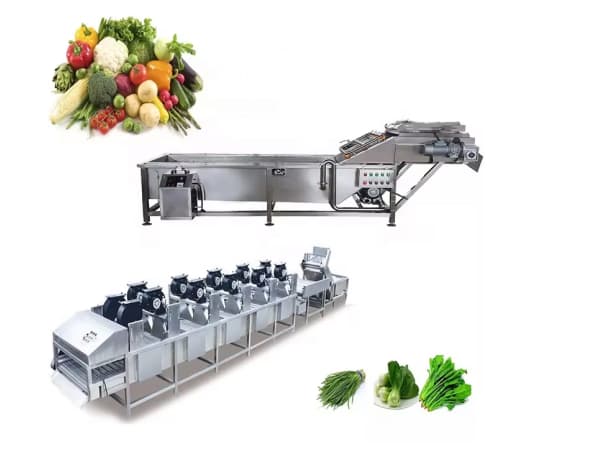
What Is a Vegetable Washing Machine Commercial System?
A Vegetable Washing Machine Commercial system is industrial food processing equipment designed to wash vegetables, fruits, leafy greens, root vegetables, and agricultural products efficiently and hygienically.
Compared with manual washing, commercial vegetable cleaning machines provide:
- Higher washing efficiency
- Better cleaning performance
- Reduced labor costs
- Lower water consumption
- Continuous production capability
- Improved hygiene standards
Commercial vegetable washing machines are widely used in:
- Vegetable processing plants
- Frozen vegetable factories
- Central kitchens
- Restaurants
- School cafeterias
- Supermarkets
- Salad processing lines
- Pickle factories
- Food manufacturing plants
These machines can wash products such as:
- Potatoes
- Carrots
- Spinach
- Lettuce
- Tomatoes
- Cucumbers
- Chili peppers
- Onions
- Garlic
- Broccoli
- Cabbage
- Apples
- Strawberries
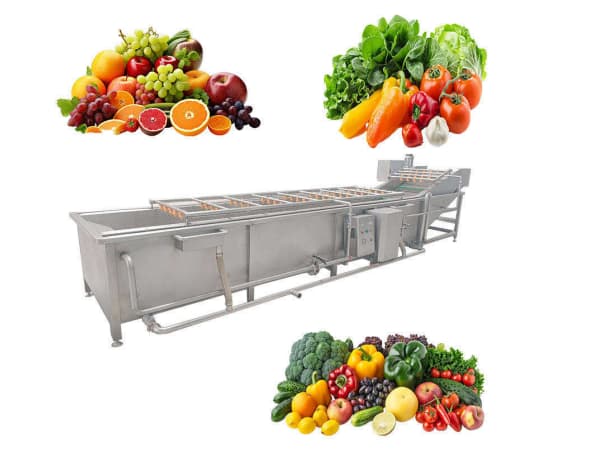
Why Commercial Vegetable Washing Machines Are Important
Food safety regulations are becoming more demanding worldwide. Manual cleaning methods often cannot guarantee consistent hygiene standards.
A modern industrial vegetable washing machine helps remove:
- Dirt
- Mud
- Sand
- Pesticide residue
- Hair
- Insects
- Surface bacteria
Additionally, commercial vegetable washers improve production efficiency dramatically.
For example:
| Washing Method | Capacity | Labor Requirement |
|---|---|---|
| Manual Washing | 50–100 kg/h | 4–6 workers |
| Commercial Vegetable Washer | 300–3000 kg/h | 1–2 workers |
This efficiency makes automated vegetable cleaning equipment extremely valuable for commercial food businesses.
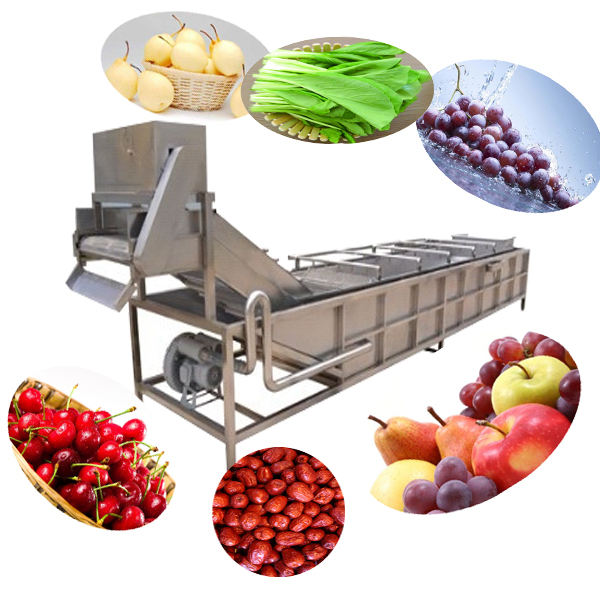
Types of Vegetable Washing Machine Commercial Equipment
Different vegetables require different cleaning methods. Therefore, manufacturers produce several types of commercial vegetable washing systems.
Bubble Type Vegetable Washing Machine
The bubble vegetable washing machine is one of the most popular commercial vegetable cleaning solutions.
It uses high-pressure air bubbles and circulating water to clean vegetables gently without damaging the surface.
Advantages of Bubble Vegetable Washers
- Suitable for leafy vegetables
- Gentle cleaning process
- Low damage rate
- High cleaning efficiency
- Water recycling capability
Suitable Products
- Lettuce
- Spinach
- Cabbage
- Herbs
- Green vegetables
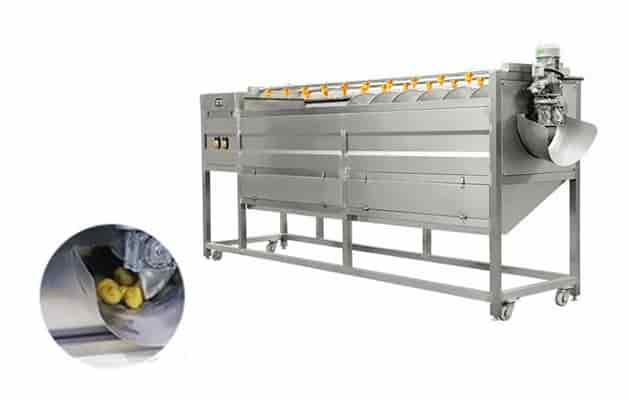
Brush Roller Vegetable Washing Machine
A brush roller vegetable washing machine uses rotating brushes combined with water spraying systems.
This type is suitable for root vegetables with mud or rough surfaces.
Advantages
- Strong cleaning ability
- Removes stubborn dirt
- Durable structure
- Suitable for continuous operation
Suitable Products
- Potatoes
- Carrots
- Ginger
- Sweet potatoes
- Cassava
- Taro
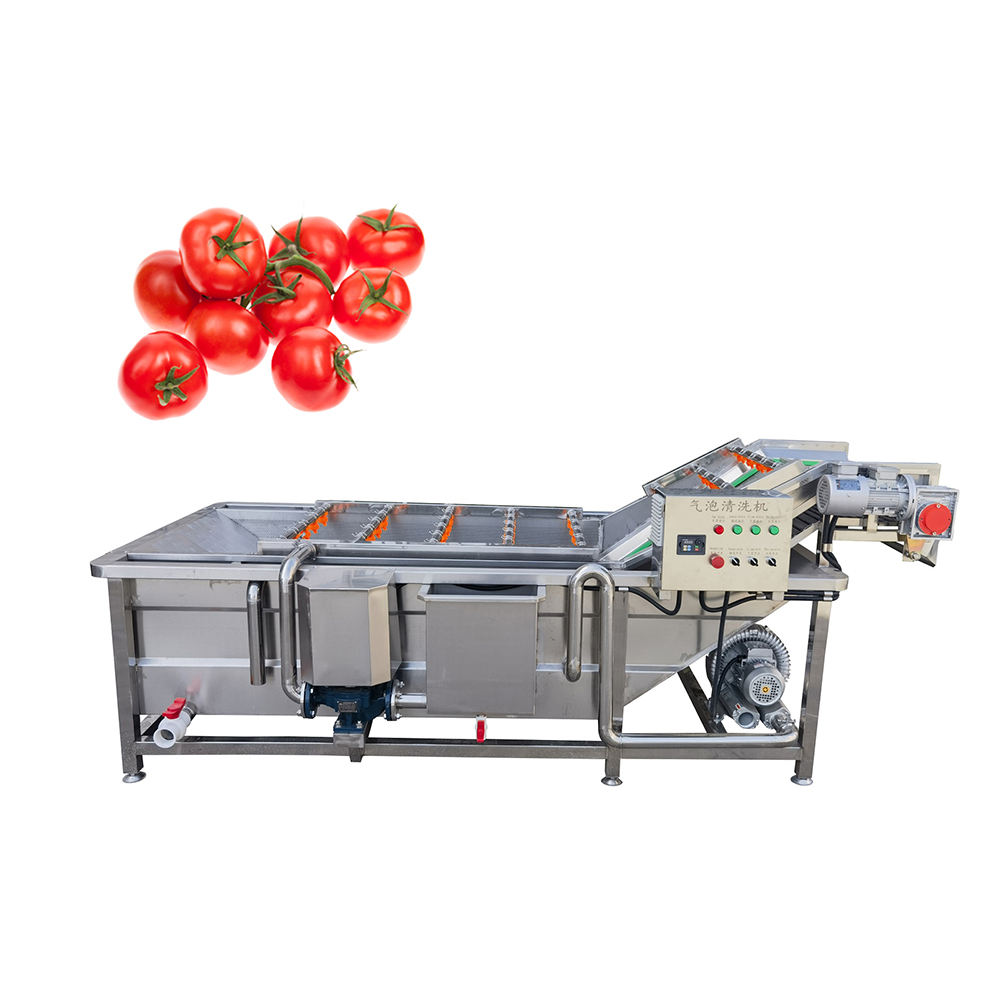
High Pressure Spray Vegetable Washing Machine
The high pressure vegetable washer uses powerful water jets to remove contaminants from vegetable surfaces.
Features
- Excellent pesticide removal
- Fast cleaning speed
- Adjustable water pressure
- Stainless steel structure
Applications
- Fruit processing plants
- Salad factories
- Agricultural product cleaning
Ozone Vegetable Washing Machine Commercial
An ozone vegetable washing machine combines ozone sterilization with water cleaning technology.
Ozone helps kill bacteria and reduce pesticide residues.
Benefits
- Sterilization function
- Eco-friendly cleaning
- Improved food safety
- Reduced chemical usage
Common Applications
- Organic vegetable processing
- Export vegetable factories
- Premium food processing plants
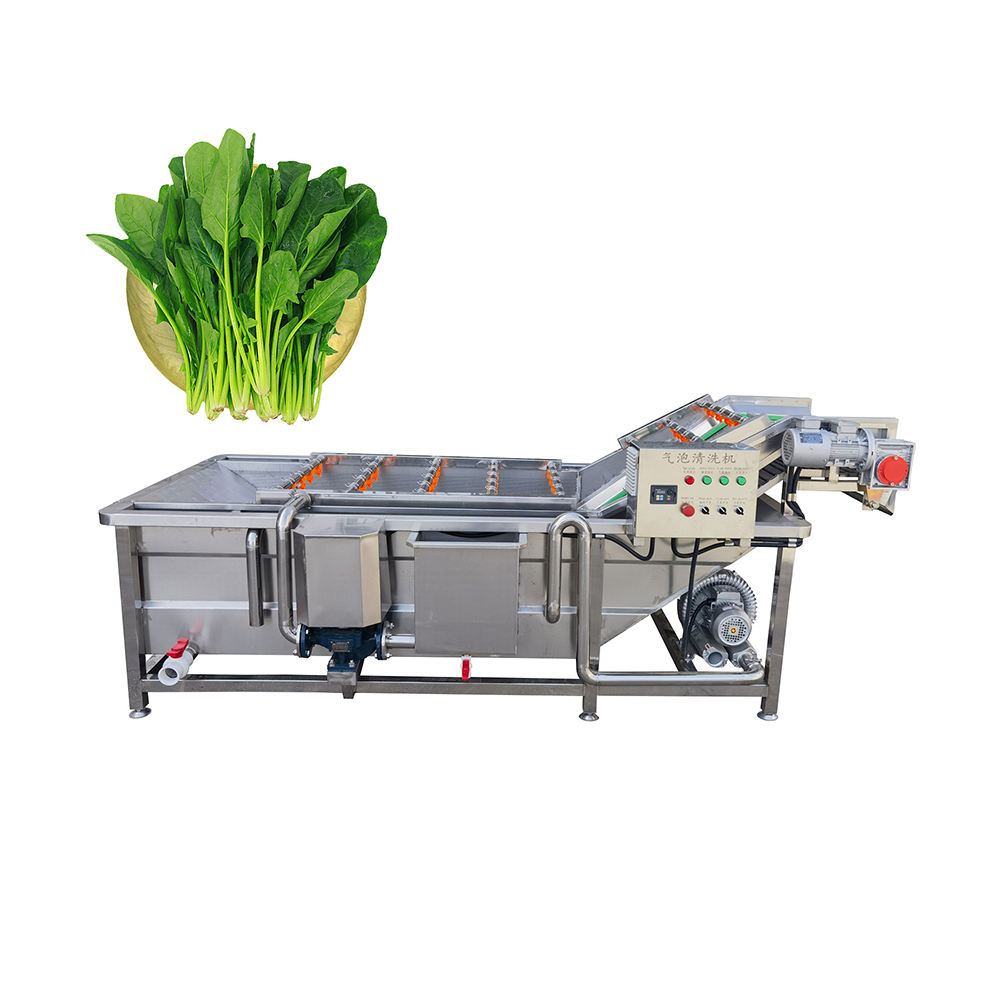
Industrial Leafy Vegetable Washing Machine
Leafy vegetables require special handling because they are fragile.
An industrial leafy vegetable washing machine usually includes:
- Bubble washing system
- Soft conveying system
- Air drying section
- Water filtration system
Suitable Products
- Lettuce
- Spinach
- Napa cabbage
- Coriander
- Celery
Commercial Fruit and Vegetable Washing Machine
Many businesses need equipment that can wash both fruits and vegetables.
A commercial fruit and vegetable washing machine offers flexible cleaning solutions for mixed processing plants.
Suitable Products
- Apples
- Tomatoes
- Peppers
- Cucumbers
- Pears
- Oranges
Automatic Vegetable Washing Machine
An automatic vegetable washing machine integrates:
- Automatic feeding
- Washing
- Rinsing
- Dewatering
- Drying
This type is ideal for large-scale food factories.
Advantages
- Fully automated operation
- Reduced labor cost
- Stable production capacity
- Smart control systems
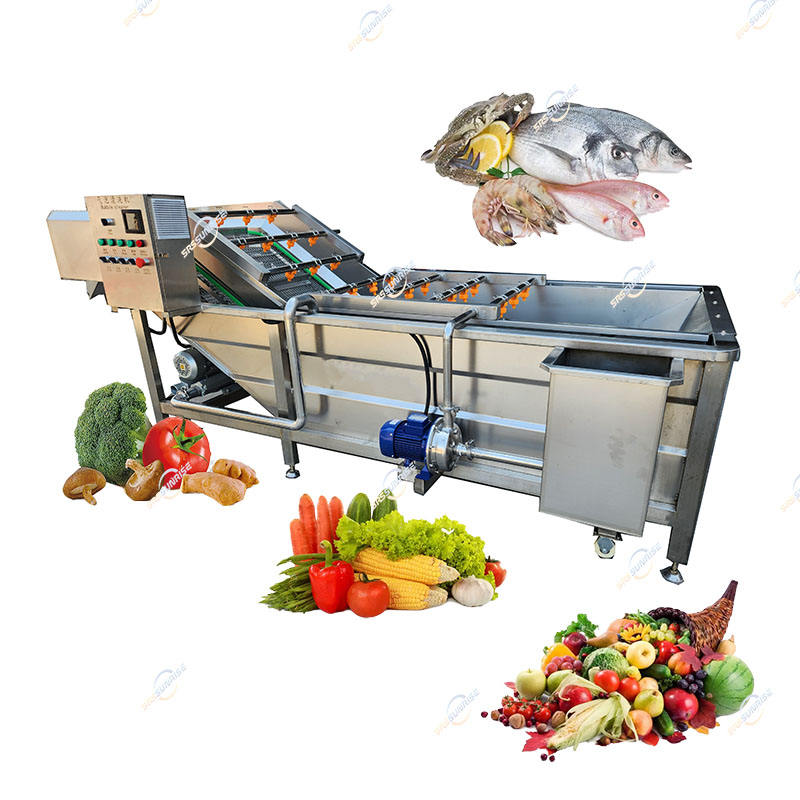
Stainless Steel Vegetable Washing Machine
Most commercial machines use food-grade SUS304 stainless steel.
Why Stainless Steel Matters
- Corrosion resistance
- Long service life
- Easy cleaning
- Food safety compliance
- Attractive appearance
Food-grade stainless steel is especially important in commercial food processing environments.
Working Principle of a Commercial Vegetable Washing Machine
Although machine designs vary, most commercial vegetable washing systems follow similar operating principles.
Step 1: Feeding
Vegetables are loaded manually or automatically into the machine.
Step 2: Washing
The machine uses:
- Air bubbles
- Water spraying
- Brush rollers
- High-pressure jets
to remove dirt and impurities.
Step 3: Filtration
Dirty water passes through filtration systems to remove waste.
Step 4: Rinsing
Clean water rinses the vegetables thoroughly.
Step 5: Dewatering
Some machines include vibration or air drying systems.
Step 6: Discharge
Clean vegetables exit through a conveyor system.
Main Features of Vegetable Washing Machine Commercial Equipment
Modern commercial vegetable washers include many advanced features.
High Cleaning Efficiency
Commercial equipment can process:
- 300 kg/h
- 500 kg/h
- 1000 kg/h
- 2000 kg/h
- 5000 kg/h
depending on the model.
Water Saving Design
Many industrial vegetable cleaning machines recycle water through filtration systems.
This reduces water consumption significantly.
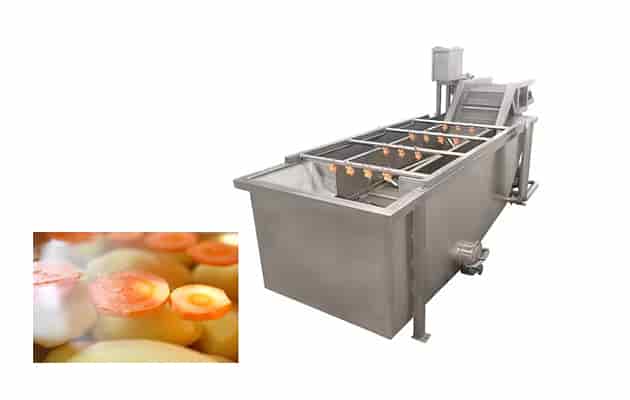
Easy Operation
Most machines use PLC touch screen control systems.
Operators can easily adjust:
- Washing time
- Conveyor speed
- Water pressure
- Bubble intensity
Food Grade Materials
Commercial vegetable washers usually use:
- SUS304 stainless steel
- Food-grade belts
- Hygienic pipelines
Low Damage Rate
Leafy vegetables and soft fruits require gentle cleaning technology.
Bubble washing systems minimize product damage.
Continuous Production
Industrial vegetable washing machines support continuous operation for large factories.
This improves production efficiency substantially.
Technical Parameters of Vegetable Washing Machine Commercial Systems
Below is a typical technical specification table.
| Model | Capacity | Power | Voltage | Size |
| VW-500 | 500 kg/h | 3 kW | 380V | 2500×1000×1300 mm |
| VW-1000 | 1000 kg/h | 5.5 kW | 380V | 3500×1200×1500 mm |
| VW-2000 | 2000 kg/h | 7.5 kW | 380V | 5000×1500×1600 mm |
| VW-3000 | 3000 kg/h | 10 kW | 380V | 6500×1800×1800 mm |
Actual specifications vary depending on machine configuration.
Applications of Commercial Vegetable Washing Machines
Vegetable Processing Plants
Large factories use industrial vegetable washing lines for frozen vegetables and ready-to-eat salads.
Central Kitchens
Central kitchens require automatic vegetable cleaning systems to improve hygiene and efficiency.
Restaurants
Restaurants use compact commercial vegetable washers for daily food preparation.
Supermarkets
Fresh produce departments often use commercial washing systems to improve product appearance.
Agricultural Cooperatives
Farmers use vegetable cleaning equipment before packaging and export.
Frozen Food Industry
Frozen vegetable factories require large-capacity washing and blanching lines.
Vegetable Washing Machine Commercial for Different Vegetables
Different vegetables require different cleaning technologies.
| Vegetable Type | Recommended Machine |
| Leafy Vegetables | Bubble Washer |
| Root Vegetables | Brush Roller Washer |
| Fruits | Spray Washer |
| Delicate Products | Bubble Cleaning Machine |
| Muddy Vegetables | Brush Cleaning Machine |
Selecting the right machine improves cleaning quality and reduces damage.
How to Choose the Best Vegetable Washing Machine Commercial
Choosing the right commercial vegetable washer depends on several factors.
Production Capacity
Estimate your daily processing volume.
For example:
- Small restaurants: 100–300 kg/day
- Medium factories: 1000–3000 kg/day
- Large plants: 5 tons/hour or more
Vegetable Type
Leafy vegetables require gentle cleaning, while root vegetables need stronger cleaning systems.
Automation Level
Choose between:
- Semi-automatic vegetable washing machine
- Fully automatic vegetable washing line
Water Consumption
Water-saving systems reduce long-term operating costs.
Factory Space
Measure available installation space before purchasing equipment.
Material Quality
Always choose SUS304 stainless steel for food safety and durability.
Supplier Experience
Reliable suppliers provide:
- Technical support
- Installation service
- Spare parts
- Warranty
- After-sales service
Advantages of Using Commercial Vegetable Washing Equipment
Improved Food Safety
Commercial vegetable washers reduce contamination risk.
Lower Labor Costs
Automation reduces manpower requirements significantly.
Higher Productivity
Industrial washing systems process large quantities quickly.
Better Product Quality
Clean vegetables improve market value and customer satisfaction.
Reduced Water Waste
Modern filtration systems recycle water efficiently.
Compliance With Food Standards
Commercial equipment helps businesses meet HACCP and food hygiene regulations.
Commercial Vegetable Washing Line Integration
Many factories integrate washing machines into complete vegetable processing lines.
A full line may include:
- Vegetable cutting machine
- Bubble washing machine
- Blanching machine
- Cooling machine
- Dewatering machine
- Drying machine
- Packaging machine
Integrated lines improve efficiency and reduce manual handling.
Smart Technology in Modern Vegetable Washing Machines
Modern commercial vegetable washing systems increasingly use smart automation technology.
PLC Control Systems
PLC systems improve operational precision.
Touch Screen Interface
Operators can monitor machine status easily.
Automatic Water Level Control
This reduces manual adjustments.
Frequency Conversion Technology
Variable speed systems optimize energy usage.
Energy Efficient Vegetable Washing Machines
Energy-saving equipment is becoming more important.
Modern machines reduce:
- Electricity consumption
- Water usage
- Labor costs
This improves long-term profitability.
Maintenance Tips for Vegetable Washing Machine Commercial Systems
Regular maintenance extends machine lifespan.
Daily Cleaning
Remove vegetable residue after operation.
Check Water Filters
Dirty filters reduce cleaning efficiency.
Lubricate Bearings
Proper lubrication prevents mechanical wear.
Inspect Electrical Components
Regular inspection improves safety.
Replace Worn Parts
Timely replacement prevents unexpected downtime.
Common Problems and Solutions
| Problem | Possible Cause | Solution |
| Poor Cleaning | Dirty filter | Clean filter |
| Water Leakage | Loose pipe | Tighten connection |
| Conveyor Not Moving | Motor issue | Check motor |
| Excessive Noise | Bearing wear | Replace bearing |
| Low Bubble Pressure | Air pump issue | Inspect pump |
Routine maintenance minimizes operational problems.
Commercial Vegetable Washer Price Factors
The price of a Vegetable Washing Machine Commercial system depends on several factors.
Capacity
Larger machines cost more.
Automation Level
Fully automatic lines are more expensive.
Material Quality
SUS304 stainless steel increases durability and cost.
Additional Functions
Optional features include:
- Ozone sterilization
- Air drying
- Water recycling
- PLC control
Brand Reputation
Experienced manufacturers may charge higher prices but offer better reliability.
Future Trends in Vegetable Washing Machine Commercial Equipment
The food processing industry continues evolving rapidly.
Smart Factory Integration
Future systems will connect with factory automation networks.
AI Monitoring
Artificial intelligence may optimize washing efficiency automatically.
Eco-Friendly Design
Manufacturers are developing lower-water-consumption systems.
Higher Hygiene Standards
Advanced sterilization technologies will become more common.
Why Food Factories Prefer Automatic Vegetable Washing Machines
Large food manufacturers increasingly prefer automated systems because they provide:
- Stable production
- Consistent quality
- Reduced contamination risk
- Lower operating costs
- Better efficiency
As labor costs rise globally, automation becomes even more important.
Commercial Vegetable Washing Machine for Small Businesses
Small businesses can also benefit from compact vegetable washing equipment.
Small commercial models offer:
- Affordable pricing
- Easy installation
- Simple operation
- Space-saving design
These machines are suitable for:
- Restaurants
- Cafeterias
- Salad shops
- Small farms
Choosing a Reliable Vegetable Washing Machine Manufacturer
A professional supplier should offer:
- Customized solutions
- Technical consultation
- Installation guidance
- Operator training
- Spare parts support
- Long warranty periods
Before purchasing, buyers should evaluate:
- Factory experience
- Customer reviews
- Export experience
- Technical certifications
Vegetable Washing Machine Commercial
A Vegetable Washing Machine Commercial system is an essential investment for modern food processing businesses. From small restaurants to large vegetable factories, commercial washing equipment improves hygiene, efficiency, and product quality.
Whether you need a bubble vegetable washing machine, industrial vegetable cleaner, automatic vegetable washing line, or commercial fruit and vegetable washing machine, selecting the right equipment can significantly increase productivity and reduce operating costs.
As food safety regulations continue becoming stricter, advanced commercial vegetable washing systems will play an increasingly important role in the global food processing industry.
Businesses that invest in reliable and efficient vegetable cleaning equipment today will gain a strong competitive advantage in the future.