
Bir tasarım yapmak ve inşa etmek bahar rulo yapma makinesi gıda makineleri tasarımını birleştiren karmaşık bir mühendislik projesidir, termodinamik, otomasyon kontrolü, paslanmaz çelik imalat, ve güvenlik sertifikası. Dondurulmuş Çin böreğine yönelik küresel talep nedeniyle, yaylı rulo, yumurta ruloları, ve Vietnam ruloları hızla artıyor, daha fazla fabrika Çin böreği üreticisini özelleştirmeyi veya şirket içinde geliştirmeyi düşünüyor.
göstereceğim Spring Roll yapma makinesi nasıl yapılır, hangi bileşenlere ihtiyacı var, her alt sistemin nasıl çalıştığını, ve hangi mühendislik standartlarının gerekli olduğu. Ekipman üreticileri için yazılmıştır, OEM/ODM tasarımcıları, gıda fabrikası mühendisleri, ve Çin böreği üretim hattının nasıl tasarlanacağını araştıran herkes.
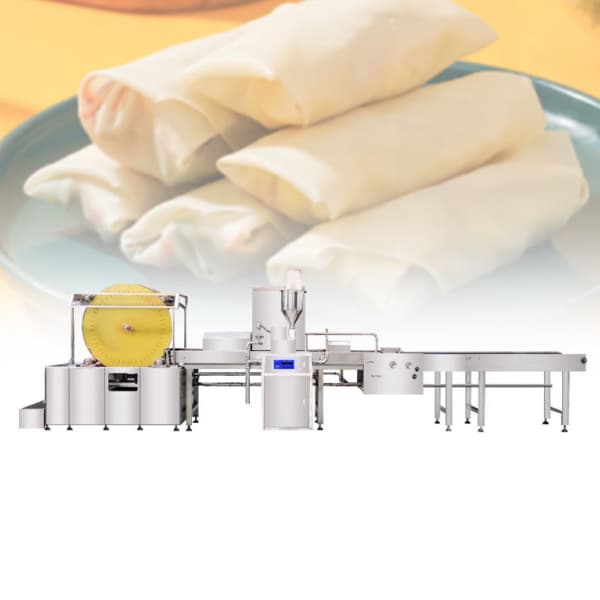
1. Spring Roll Yapma Makinesinin Amacını Anlamak
Herhangi bir makineyi tasarlamadan veya üretmeden önce, amacını tanımlamanız gerekir. A bahar rulo yapma makinesi aşağıdaki temel işlevleri tamamlamalıdır:
- Hamurun karıştırılması ve teslim edilmesi
- İnce üretmek, üniforma sarma sayfaları
- Ambalaj sayfalarını eşit şekilde pişirmek
- Sarmalayıcıların soğutulması ve aktarılması
- Dolumun doğru şekilde bırakılması
- Haddeleme ve katlama sarmalayıcılar
- Tutarlı üretmek, üniforma bahar ruloları
1.1 Ortak Adlar ve Uzun Kuyruklu Anahtar Kelimeler
Bir yaylı rulo yapma makinesi de denilebilir:
- Bahar rulo üretim hattı
- Otomatik yaylı rulo makinesi
- Bahar rulo şekillendirme makinesi
- Yumurta rulo yapma makinesi
- Lumpia makinesi
- Bahar rulo sarma makinesi
- Pasta sacı yapımcısı
Bu uzun kuyruklu anahtar kelimeler, ekipmanın farklı varyasyonlarını arayan müşterilerin ilgisini çekmenize yardımcı olur.
2. Spring Roll Yapma Makinesinin Arkasındaki Temel Mühendislik Prensipleri
Profesyonel bir makine oluşturmak için, arkasındaki mühendislik teorisini anlamalısınız.
2.1 Isı Transferi ve Tambur Kontrolü
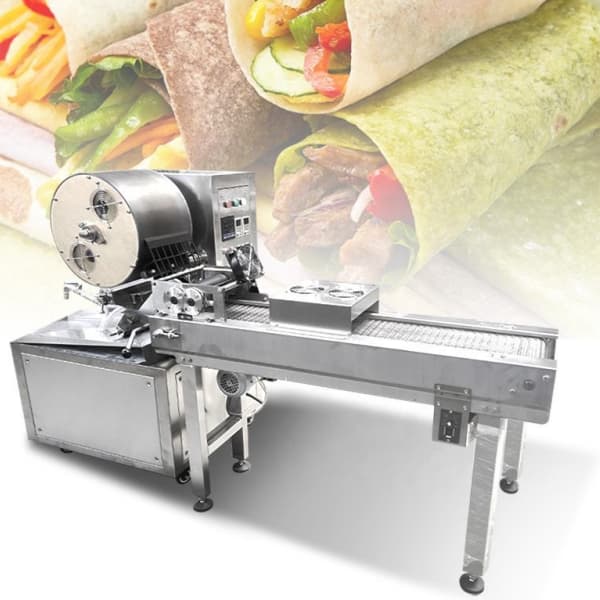
Sistem bir şeye dayanır ısıtmalı döner tambur ambalajı pişiren. Düzgün ısı dağılımı tutarlı doku ve kalınlık sağlar.
2.2 Hassas Otomasyon
Konveyör, mevduat sahibi, ambalaj yapma mekanizması, ve yuvarlanma sistemi senkronize olarak çalışmalıdır PLC kontrolü, veya sarmalayıcı hizalaması başarısız olur.
2.3 Gıdaya Uygun Yapısal Tasarım
Gıdayla temas eden tüm bileşenlerin kullanılması gerekir SUS304 veya SUS316 paslanmaz çelik sıhhi kaynaklarla.
3. Spring Roll Yapma Makinesinin Bileşenleri
Tam Çin böreği üretim makinesi dokuz ana alt sistemden oluşur. Her alt sistem ayrı ayrı tasarlanmalı ve ayarlanmalıdır.
3.1 Hamur Karıştırma ve Besleme Sistemi
Bu alt sistem hamuru karıştırır ve ısıtılmış tambura aktarır.
Ana Bileşenler
- Paslanmaz çelik karıştırma tankı
- Karıştırıcı veya yüksek hızlı karıştırıcı
- Hamur pompası (dişli pompa veya lob pompası)
- Akış stabilizatörü
- Sıhhi borular
Mühendislik Hususları
- Hamurun viskozitesi sabit kalmalıdır
- Pompa sorunsuz bir şekilde teslim etmelidir, kabarcıksız hamur
- CIP tasarımları temizleme süresini azaltır
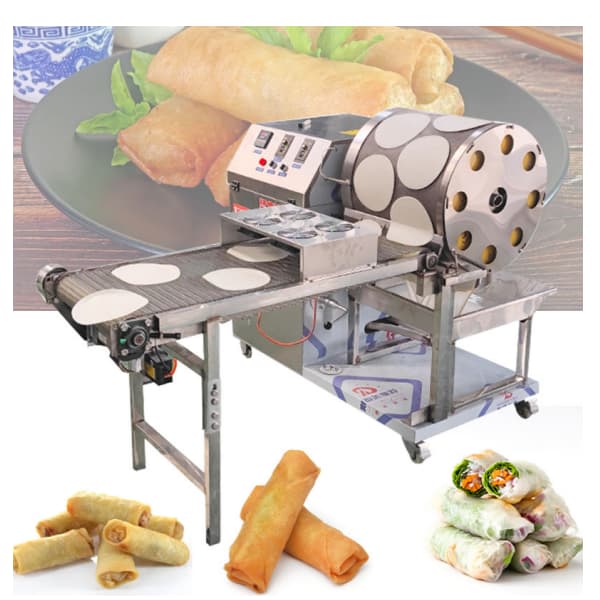
3.2 Isıtmalı Döner Tambur (Sarıcı Pişirme Sistemi)
Davul, davulun çekirdeğidir bahar rulo sarma makinesi.
Anahtar Bileşenler
- Paslanmaz çelik tambur
- Gaz veya elektrikli ısıtma sistemi
- Sıcaklık PID kontrolörü
- Kazıyıcı bıçak
- Tambur hız kontrol cihazı
Tambur Gereksinimleri
- Düzgün kalınlık
- Tamamen cilalanmış yüzey
- Eşit ısı dağılımı
- Kapasite kontrolü için ayarlanabilir hız
İyi tasarlanmış bir tambur, ticari sigara böreği üretimine uygun ultra ince ambalajlar üretebilir.
3.3 Sarma Soyma Sistemi
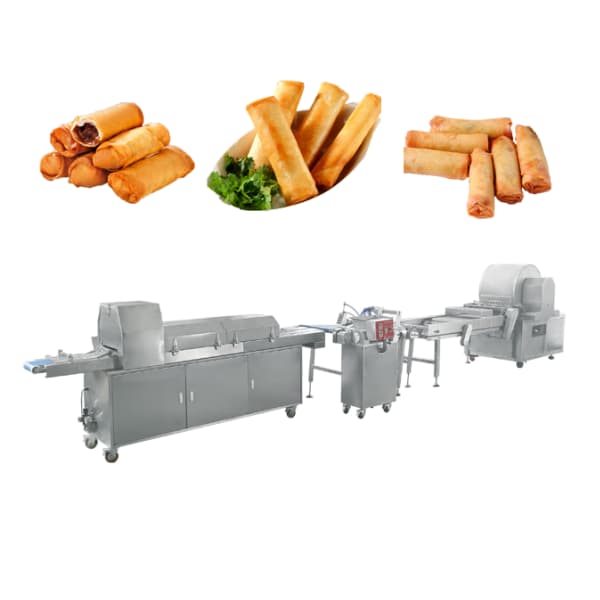
Bir kez pişirildikten, ambalajın tamburdan düzgün bir şekilde soyulması gerekir.
Tasarım Gereksinimleri
- Yüksek hassasiyetli kazıyıcı
- Gıdaya uygun Teflon kaplama
- Ayarlanabilir kazıma açısı
- Isıya dayanıklı destekler
Zayıf soyma sistemi ambalajların yırtılmasına neden olur, üretim verimliliğinin azalması.
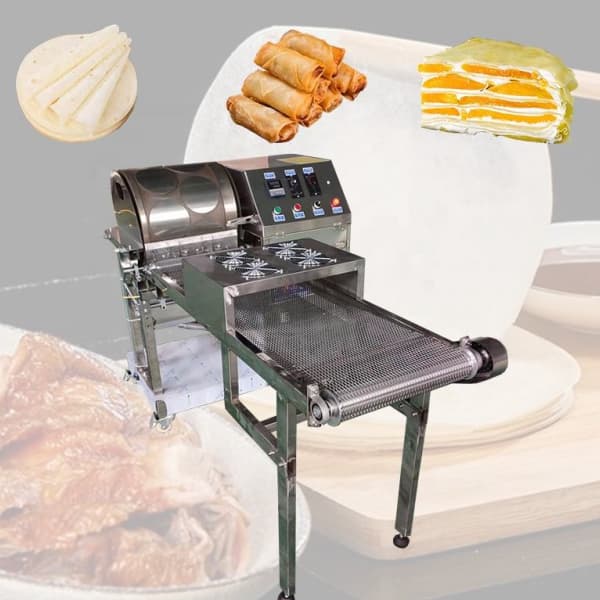
3.4 Transfer Konveyör Sistemi
Konveyör ambalajları dolum istasyonuna taşır.
Malzemeler
- Silikon kemerler
- PU gıdaya uygun kemerler
- Teflon kaplı kayışlar
Fonksiyonlar
- Ambalajın soğutulması
- Konumlandırma
- Senkronizasyonun sürdürülmesi
- Dolgu maddesine besleme
3.5 Dolum Depozitör Sistemi
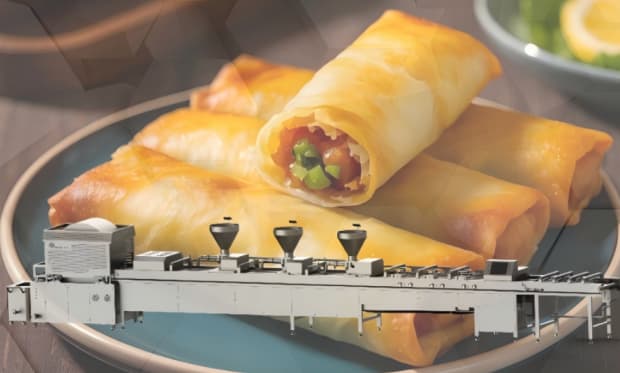
Doldurma bir işin en özelleştirilmiş kısmıdır. bahar rulo yapma makinesi.
Mevduatçı Türleri
- Burgu vidalı dolgu
- Servo tahrikli depozitör
- Pnömatik kantitatif dolgu maddesi
- Konveyör + kesici depozitör
Zorluklar
- Doldurma tıkanmasını önleyin
- Doğruluğu koruyun
- Doldurma atıklarını azaltın
- Farklı sebze veya et dolgularına uyum sağlayın
3.6 Katlama ve Yuvarlama Mekanizması
Bu mekanizma yaylı ruloya son şeklini verir.
Bileşenler
- Servo kontrollü katlanır kollar
- Pnömatik silindirler
- Haddeleme kayışları
- Katlanır plakalar
Ayarlanabilir Parametreler
- Paketleyici boyutu
- Yuvarlanma sızdırmazlık
- Basınç kontrolü
- Son çap
Doğru yuvarlama, kızartma sırasında gevşek uçları veya kırılmayı önler.
3.7 PLC kontrol sistemi
. otomatik yaylı rulo makinesi programlanabilir kontrol gerektirir.
PLC'nin Özellikleri
- Tarif hafızası
- Sıcaklık PID kontrolü
- Konveyör ve tambur senkronizasyonu
- Alarm sistemi
- Arıza teşhisi
İyi programlanmış bir PLC, uzun üretim saatleri boyunca tutarlı kalite sağlar.
3.8 Paslanmaz Çelik Çerçeve ve Güvenlik Sistemi
Gıdaya uygun yapı şunları içerir::
- Paslanmaz çelik çerçeve
- Su geçirmez elektrik dolabı
- Acil durdurma düğmeleri
- Koruyucu kapaklar
- Kaymaz ayarlanabilir ayaklar
- Kolay temizlenebilen yapılar
3.9 Opsiyonel Ek Sistemler
Üreticiler isteğe bağlı modüller ekleyebilir:
- Otomatik hamur karıştırma hattı
- Yemek pişirme sistemi
- Sürekli fritöz
- Spiral dondurucu veya IQF dondurma tüneli
- Paketleme ekipmanları
4. Adım Adım Kılavuz: Spring Roll Yapma Makinesi Nasıl Yapılır
Bu tasarım yol haritası planlamadan teste kadar tüm mühendislik sürecini açıklıyor.
4.1 Adım 1: Üretim Kapasitesini Tanımlayın
Ortak kapasiteler:
- 2000 adet/saat
- 5000 adet/saat
- 8000+ adet/saat
Kapasite etkiler:
- Tambur çapı
- Isıtma gücü
- Konveyör uzunluğu
- Haddeleme istasyonlarının sayısı
4.2 Adım 2: Isıtma Yöntemini Seçin
Gaz ısıtma
- Hızlı ısıtma tepkisi
- Daha düşük işletme maliyeti
- Büyük fabrikalara uygun
Elektrikli Isıtma
- Kolay kurulum
- Küçük atölyeler için uygundur
- Gaz borusu gerekmez
4.3 Adım 3: Sarma Tamburunu Tasarlayın
Anahtar tasarım öğeleri şunları içerir::
- Tambur malzemesi ve kalınlığı
- Tambur çapı
- Parlatma seviyesi
- Isıtma borusu veya brülör düzeni
- Kazıyıcı bıçak konumu
Ambalajın kalitesi büyük ölçüde tambur tasarımına bağlıdır.
4.4 Adım 4: Mekanik Yapıyı Oluşturun
Kullanmak:
- CNC işleme
- Lazer kesim
- TIG sıhhi kaynak
Emin olmak:
- Ölü köşe yok
- Temizlemesi kolay yüzeyler
- Su geçirmez kontrol kabini
4.5 Adım 5: Konveyör ve Senkronizasyon Sisteminin Kurulumu
Motorlar olmalı:
- PLC ile senkronize edildi
- Değişken hız
- Ambalaj uzunluğuna ve kalınlığına uygun
4.6 Adım 6: Doldurma Sistemini Entegre Edin
Bu aşamada, Mühendisler ince ayar yapmalı:
- Dolum ağırlığı
- Doldurma sıcaklığı
- Akış düzgünlüğü
- Kesim hassasiyeti
4.7 Adım 7: Yuvarlama ve Katlama Ünitelerinin Kurulumu
Mühendisler uyum sağlamalı:
- Basınç
- Zamanlama
- Yuvarlanma hızı
- Katlama açıları
4.8 Adım 8: PLC Programı Geliştirin
PLC kontrolleri:
- Tambur sıcaklığı
- Konveyör zamanlaması
- Dolum zamanlaması
- Yuvarlanma mantığı
- Motor senkronizasyonu
- Güvenlik alarmları
4.9 Adım 9: Tam Test Gerçekleştirin
Şunun için test edin::
- Sarma kalınlığı tutarlılığı
- Doldurma doğruluğu
- Sürekli 24 saat güvenilirlik
- Nihai ürün tekdüzeliği
- Temizleme kolaylığı
5. Spring Roll Yapma Makinesi Yapımı İçin Maliyet Tahmini
Profesyonel bir makinenin genellikle maliyeti vardır:
| Bileşen | Tahmini maliyet |
|---|---|
| Paslanmaz çelik malzemeler | $3,000- 8.000 dolar |
| Isıtma sistemi | $2,000–6.000$ |
| Motorlar & konveyörler | $3,000–7.000$ |
| Doldurma sistemi | $5,000–12.000$ |
| PLC ve elektronik | $2,000–5.000$ |
| İmalat işçiliği | $8,000- 20.000 dolar |
Toplam: $25,000 - $60,000 karmaşıklığa ve kapasiteye bağlı olarak.
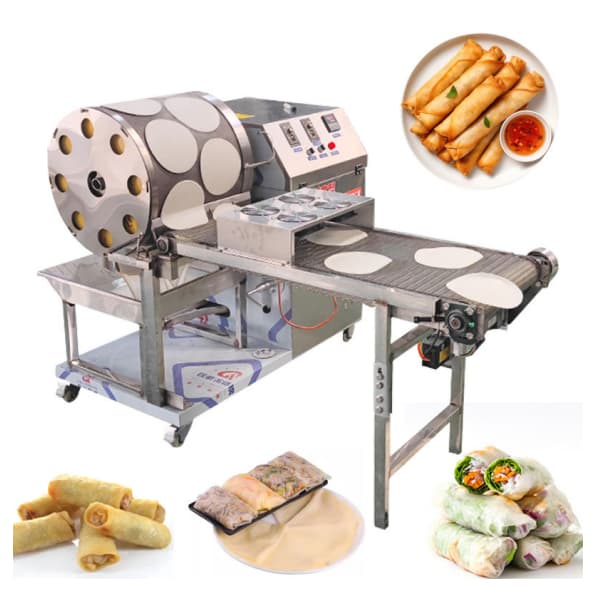
6. Bir Spring Roll Makinesi Yapmalı mı yoksa Basitçe Satın mı Almalısınız??
Bir yaylı rulo makinesi inşa ederken teknik olarak mümkündür, gerektirir:
- Deneyimli makine mühendisleri
- Elektrik/PLC programcıları
- Gıda güvenliği bilgisi
- Hassas işleme takımları
- Kapsamlı test süresi
Çoğu gıda fabrikası için, profesyonel bir makine satın almak daha hızlıdır, daha ucuz, ve daha güvenilir.
Üreticiler sever DT Gıda Makinesi sağlayabilir:
- Özelleştirilmiş ambalaj boyutu
- Özelleştirilmiş dolum sistemi
- Yüksek kapasiteli üretim hatları
- İhracat sınıfı makineler
- CE / ISO / HACCP belgeleri
Çin böreği yapma makinesi DT Gıda Makinesi
Bir bina inşa etmek bahar rulo yapma makinesi ısı transferinde uzmanlık gerektirir, paslanmaz çelik imalat, otomasyon tasarımı, ve senkronize kontrol. Hamur karıştırmadan ambalaj pişirmeye kadar, doldurma, katlanır, yuvarlamak, ve son şekillendirme, Her alt sistem tutarlı üretimde kritik bir rol oynar., ticari sınıf bahar ruloları.
Bu eksiksiz kılavuz tasarım mantığını açıklıyor, mühendislik ilkeleri, ve profesyonel bir Çin böreği üretim hattının ardındaki adım adım yapım süreci, üreticilerin makinenin nasıl çalıştığını ve sıfırdan bir makine inşa etmek için neyin gerekli olduğunu anlamalarına yardımcı olmak.