
Introducere: De ce contează tăițeii instant
Fidea instantă este unul dintre cele mai emblematice și consumate produse alimentare din lume. Rapid, ieftin, si satisfacator, servesc ca o masă de bază în toată Asia, Africa, Europa, și Americi. Fie că este vorba de gustarea de la miezul nopții a unui student sau de masa ideală a unui călător, fidea instantă a revoluționat consumul global de alimente.
Acest articol oferă o scufundare profundă în tipuri, procesul de fabricatie, ambalaj, nutriţie, și evoluţie de tăiței instant — de la începuturile umile în Japonia până la a deveni o industrie de mai multe miliarde de dolari.
1. Originea și creșterea globală a tăițeilor instant
1.1 Invenția taiteilor instant
Taiteii instant au fost inventati in 1958 de Momofuku Ando, fondatorul Nissin Foods în Japonia. Primul lui produs, „Ramen de pui,” a fost o prăjitură cu tăiței prăjită cu ulei, plină de condimente.
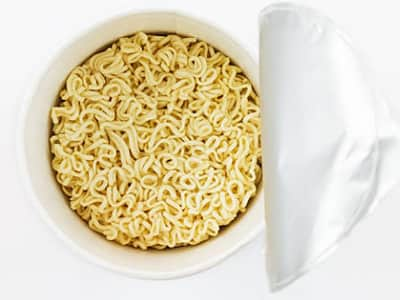
În 1971, a lansat primul din lume ceașcă tăiței, schimbarea modului în care au fost consumați tăițeii — necesitând doar apă fierbinte și câteva minute pentru preparare.
1.2 Fidea instant în jurul lumii
Fidea instantă a devenit rapid populară în întreaga lume datorită lor:
- Durată de valabilitate lungă
- Cost accesibil
- Timp minim de pregătire
Astăzi, consumul global depăşeşte 120 miliarde de porții pe an, conform World Instant Noodles Association (ALTUL).
2. Tipuri de tăiței instant
2.1 Prin metoda de procesare
| Tip | Descriere |
|---|---|
| Taitei instant prajiti | Prăjit pentru deshidratare și aromă; textura crocanta |
| Taitei instant neprajiti | Se usucă la aer sau la abur; mai scăzut de grăsime, alternativa mai sanatoasa |
| Taitei gata aburiti | Fidea umedă vândută în formă refrigerată; frecvent în ramen proaspăt |
2.2 După formatul de ambalare
| Tip ambalaj | Detalii |
|---|---|
| Taitei in pungi | Format tradițional, necesită bol sau oală |
| Taitei cu ceașcă/bol | Vine în propriul container, adăugați doar apă fierbinte |
| Tavi pentru microunde | Ambalat pentru incalzire si consum la microunde |
2.3 După aromă și regiune
| Regiune | Arome de semnătură |
|---|---|
| China | Bulion de vită, legume murate, carne de porc picant |
| Japonia | Tonkatsu, eu sunt salcie, ramen miso |
| Coreea | Kimchi, tăiței de foc cu brânză, tocană de armată |
| Asia de Sud -Est | Tom Yum, Laksa, crevetă, var acru |
| Piețele de Vest | Pui cremos, tocană de vită, slănină & brânză |
3. Procesul de fabricare a tăițeilor instantanee
3.1 Ingrediente de bază
- Faina de grau sau faina de orez
- Sare și agenți alcalini
- Apă
- Ulei vegetal (pentru prăjit)
- Aditivi: vitamine, potențiatori de aromă, coloranti
3.2 Etapele de producție (pentru taitei prajiti)
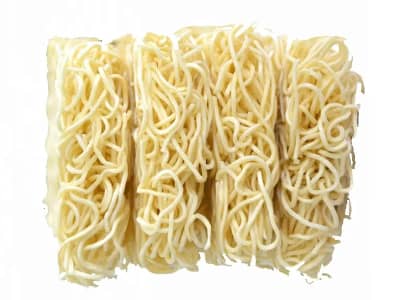
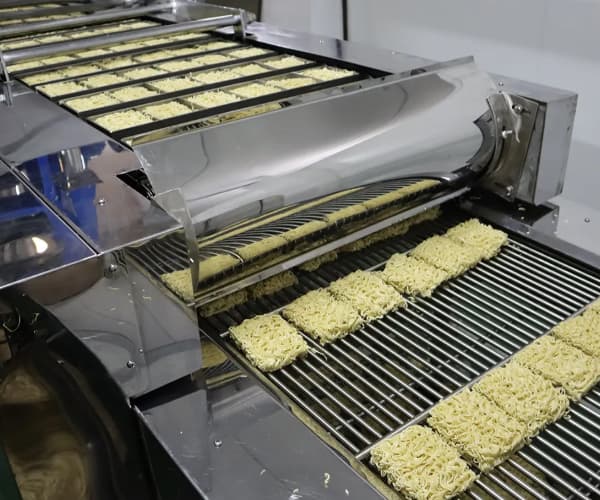
- Amestecarea aluatului – Ingredientele se framanta intr-un aluat consistent
- Folie & Rulare – Aluatul se rulează în foi subțiri
- Aburire – Gătit prin abur pentru a gelatiniza amidonul
- Tăiere & Făcând cu mâna – Modelat în șuvițe ondulate
- Prăjire – Deshidratat prin prăjire în ulei de palmier la ~160°C
- Răcire – Aer răcit la temperatura camerei
- Prepararea pachetului de condimente – Pulbere de condimente, sos, legume
- Ambalaj – Sigilare automată în pungi, cupe, sau castroane
Fidea neprăjită sar peste etapa de prăjire și trec prin uscare prelungită în tuneluri de aer cald.
4. Ambalare și termen de valabilitate
Ambalajul joacă un rol critic în siguranța tăițeilor instantanee, prospeţime, și confortul consumatorului.
4.1 Tipuri de ambalaje
| Tip | Beneficii |
|---|---|
| Pachet de perne din plastic | Ieftin, rapid de produs |
| Pahar de hârtie cu capac din folie | Se potrivește la cuptorul cu microunde, convenabil din mers |
| Pachete de folie de aluminiu | Termen de valabilitate mai lung, reținerea aromei |
| Ambalaj ecologic (Hârtie/Film biodegradabil) | Durabil, opțiune comercializabilă |
4.2 Perioada de valabilitate
- Taitei prajiti: 6–12 luni
- Taitei neprajiti: 3–6 luni
- Pliculețele de condimente pot include absorbanți de oxigen pentru longevitate
5. Considerații de nutriție și sănătate
5.1 Profil nutrițional
O porție tipică de tăiței instant conține:
- Carbohidrați: 40-60g
- Grasimi: 12-20g (mai ales din prăjire)
- Sodiu: 800-1800 mg (adesea ridicat)
- Proteină: 6-10g
5.2 Concepții greșite despre sănătate
Mit: „Titeii instant nu sunt sanatosi.”
Realitate: Moderația este cheia. Multe produse moderne sunt:
- Neprăjit și cu conținut scăzut de grăsimi
- Fortificat cu vitamine (B, D., fier)
- Făcut cu grâu integral, Quinoa, sau făină de ovăz
- Oferit cu opțiuni cu conținut scăzut de sodiu sau fără MSG
5.3 Suplimente sănătoase
Pentru a îmbunătăți nutriția, adăuga:
- Ouă fierte
- Legume proaspete sau congelate
- Tofu, pui, sau pește
- Kimchi, alge marine, sau seminte de susan
6. Tendințele pieței și preferințele consumatorilor
6.1 Piața globală
- Asia-Pacific este cea mai mare bază de consumatori
- Africa și America de Sud sunt piețele cu cea mai rapidă creștere
- Venitul global estimat a depăși USD 50 miliard de 2030
6.2 Tendințe de consum
- Cupă cu tăiței câștigă popularitate în rândul tinerilor din mediul urban
- Cererea pentru opțiuni vegane/fără gluten se ridică
- Creștere în ramen premium cu toppinguri de carne adevărată
- Creste in cutii de abonament online pentru tăiței instant
7. Cele mai bune mărci de tăiței instant (2024)
| Rang | Nume de marcă | Ţară |
|---|---|---|
| 1 | Nissin | Japonia |
| 2 | Maestrul Kong | China |
| 3 | Samyang | Coreea de Sud |
| 4 | Nongshim | Coreea de Sud |
| 5 | Indomie | Indonezia |
| 6 | Maggi | Elveţia |
| 7 | MAMA | Tailanda |
| 8 | A-Sha | Taiwan |
| 9 | Acecook | Vietnam |
| 10 | Tăitei pentru păpuși | Hong Kong |
8. Inovații în industria taiteilor instant
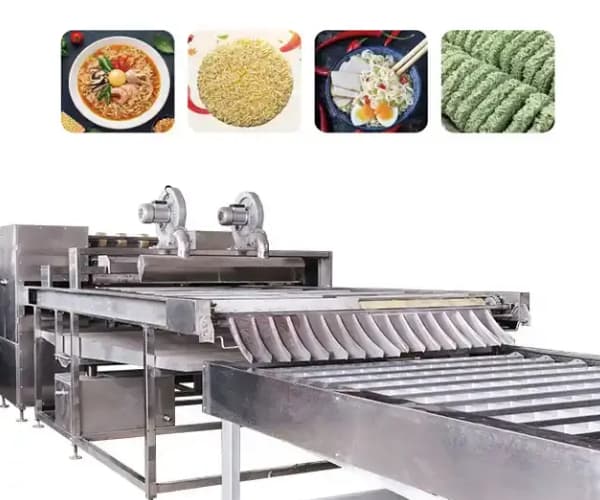
- Linii de ambalare integrate AI cu detectarea calității în timp real
- Tehnologie cu tăiței prăjiți în aer cu conținut scăzut de ulei
- Taitei instant pe baza de plante (mazăre, naut, făină de linte)
- Ambalaj ecologic comestibil (filme cu alge marine)
- Cutii cu tăiței instant cu autoîncălzire pentru piețele în aer liber
- 3Forme de tăiței imprimate D și pachete de nutriție personalizate
9. Fidea instant și impact cultural
- În Coreea de Sud, fidea instant sunt o icoană culturală, adesea asociat cu kimchi și prezentat în K-drames.
- Japonia chiar lansat „ramen spațial” pentru astronauții de la bordul ISS.
- În China, călătoriile pe calea ferată și tăițeii instant sunt inseparabile.
- Nigeria și India bazează-te pe tăiței ca aliment zilnic ieftin, în special pentru studenţi şi muncitori.
Concluzie: Fidea instant – Mai mult decât o gustare
Fidea instant sunt o fuziune genială a științei, comoditate, si cultura. Fie că este produs la scară largă linie de producție industrială sau savurat într-o cabană de munte îndepărtată, cu un termos cu apă fierbinte, taiteii instant raman relevanti, evoluând, si iubit.
Adaptabilitatea lor — în formă, aromă, și funcționalitate - le face unul dintre cele mai durabile produse alimentare create vreodată.