
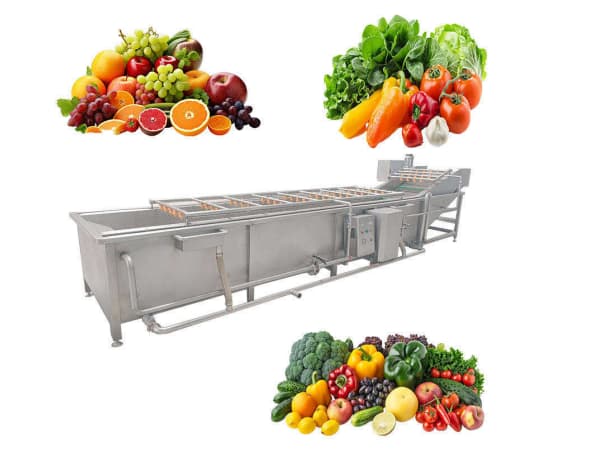
Introduzione
L’industria globale della trasformazione alimentare continua ad espandersi poiché i consumatori richiedono cibi più sani, più sicuro, e prodotti alimentari più convenienti. In particolare, la lavorazione delle verdure è diventata uno dei settori in più rapida crescita nel mercato alimentare internazionale. Di conseguenza, la richiesta di soluzioni avanzate di macchine per la lavorazione delle verdure sta aumentando rapidamente nei ristoranti, fabbriche di alimenti congelati, cooperative agricole, e impianti alimentari industriali.
Una moderna macchina per la lavorazione delle verdure aiuta le aziende a migliorare l'efficienza produttiva, sicurezza alimentare, consistenza del prodotto, risparmio di manodopera, e durata di conservazione. Inoltre, i sistemi automatizzati riducono la movimentazione manuale migliorando al tempo stesso la produttività complessiva. Oggi, le attrezzature per la lavorazione delle verdure sono ampiamente utilizzate per il lavaggio, peeling, taglio, asciugatura, sbollentare, frittura, congelamento, e confezionamento di verdure.
Che tu gestisca un piccolo laboratorio alimentare o un grande stabilimento di lavorazione industriale, selezionare la giusta macchina per la lavorazione delle verdure è essenziale per il successo a lungo termine. Perciò, comprendere i diversi tipi di macchine e tecnologie può aiutare le aziende a prendere decisioni di investimento migliori.
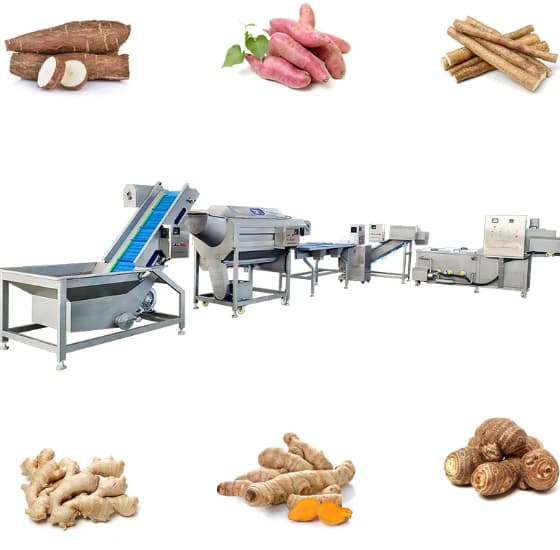
Che cos'è una macchina per la lavorazione delle verdure?
Una macchina per la lavorazione delle verdure si riferisce ad un'attrezzatura industriale progettata per pulire, preparare, taglio, cucinare, conserva, o confezionare le verdure in modo automatico o semiautomatico. Queste macchine sono ampiamente utilizzate nell'industria alimentare commerciale perché migliorano la velocità di lavorazione e riducono i costi di manodopera.
Nella maggior parte delle fabbriche, le apparecchiature per la lavorazione delle verdure gestiscono prodotti come:
- Patate
- Carote
- Cipolle
- Aglio
- Pomodori
- Spinaci
- Cavolo
- Lattuga
- Peperoni
- Cetrioli
- Broccoli
- Funghi
A seconda delle esigenze di produzione, le macchine possono funzionare in modo indipendente o come parte di una linea di lavorazione completa. Inoltre, i sistemi moderni sono progettati per mantenere gli standard di igiene e sicurezza alimentare aumentando l’efficienza.
Perché le macchine per la lavorazione delle verdure sono importanti
La preparazione tradizionale delle verdure richiede molto lavoro e tempo. Tuttavia, la produzione alimentare industriale richiede soluzioni di lavorazione più rapide e coerenti. Per questo motivo, le macchine automatizzate per la lavorazione delle verdure sono diventate essenziali nelle fabbriche moderne.
Maggiore efficienza produttiva
I sistemi automatici possono lavorare grandi quantità di verdure in continuo. Per esempio, gli impianti di lavaggio industriale puliscono centinaia di chilogrammi di verdure ogni ora. Inoltre, i sistemi di trasporto riducono il trasporto manuale all’interno della fabbrica.
Nel frattempo, le macchine da taglio ad alta velocità creano fette uniformi, cubi, o strisce dall'ottima consistenza. Di conseguenza, la produzione aumenta notevolmente.
Miglioramento della sicurezza alimentare
Le norme sulla sicurezza alimentare stanno diventando sempre più severe in tutto il mondo. Perciò, i produttori necessitano di apparecchiature di lavorazione igieniche che riducano al minimo i rischi di contaminazione.
Le moderne macchine per la lavorazione delle verdure aiutano a ridurre:
- Contaminazione umana
- Crescita batterica
- Contaminazione incrociata
- Danni al prodotto
Inoltre, la maggior parte delle macchine industriali utilizza una struttura in acciaio inossidabile per uso alimentare, che migliora la pulizia e la resistenza alla corrosione.
Riduzione dei costi del lavoro
La carenza di manodopera e l’aumento dei salari hanno incoraggiato le aziende a investire nell’automazione. Invece di fare molto affidamento sui lavoratori manuali, le fabbriche possono utilizzare macchine automatiche per completare attività ripetitive in modo più efficiente.
Di conseguenza, le imprese riducono le spese del lavoro migliorando al tempo stesso la produttività.
Migliore consistenza del prodotto
Il taglio e la lavorazione uniformi migliorano significativamente la qualità del prodotto. Per esempio, le verdure tagliate in modo uniforme cuociono in modo più uniforme e appaiono più attraenti nella confezione.
Inoltre, la consistenza è particolarmente importante per le verdure surgelate, pasti pronti, e filiere della ristorazione.
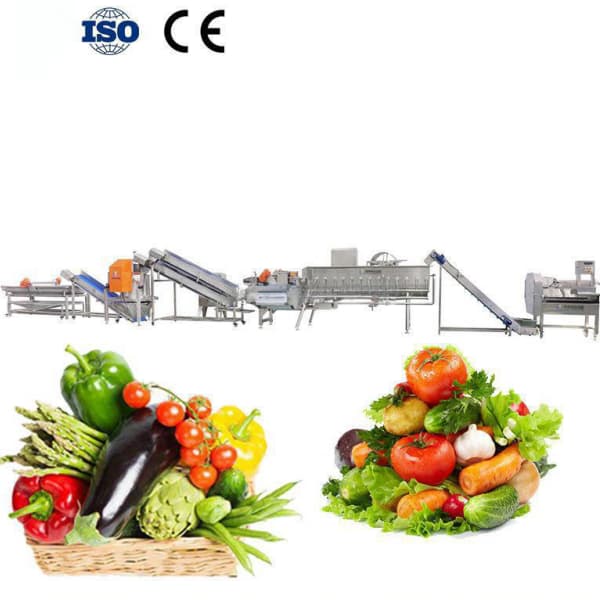
Principali tipologie di macchine per la lavorazione delle verdure
L'industria della lavorazione degli ortaggi utilizza numerose tipologie di macchine diverse a seconda delle esigenze produttive.
Lavatrice per verdure
Una lavatrice per verdure rimuove lo sporco, fango, sabbia, residui di pesticidi, e contaminazione superficiale da prodotti freschi.
Tecnologie di lavaggio comuni
Diverse tecnologie di lavaggio sono comunemente utilizzate nell’industria alimentare, tra cui:
- Lavaggio a bolle
- Lavaggio a spruzzo
- Lavaggio spazzole
- Lavaggio del tamburo
Tra queste opzioni, i sistemi di lavaggio a bolle sono particolarmente indicati per verdure delicate perché riducono i danni superficiali.
Applicazioni
Le lavatrici per verdure sono comunemente utilizzate per:
- Verdure in foglia
- Ortaggi a radice
- Erbe
- Frutta
Oltre a migliorare la pulizia, i sistemi di lavaggio preparano anche le verdure per l'ulteriore lavorazione.
Pelapatate
Le pelatori rimuovono le bucce delle verdure in modo rapido ed efficiente. Rispetto al peeling manuale, i sistemi industriali fanno risparmiare tempo e manodopera.
Metodi comuni di peeling
I produttori utilizzano diverse tecnologie di pelatura a seconda del tipo di prodotto, ad esempio:
- Peeling abrasivo
- Peeling a vapore
- Pelatura a coltello
- Peeling a pennello
Verdure popolari da sbucciare
Le macchine per la pelatura sono ampiamente utilizzate per:
- Patate
- Carote
- Zenzero
- Aglio
- Patate dolci
Poiché la domanda di alimenti trasformati aumenta, l'attrezzatura per la pelatura automatica è diventata sempre più popolare in tutto il mondo.
Macchina per tagliare le verdure
Una macchina per tagliare le verdure è uno dei tipi più importanti di apparecchiature per la lavorazione delle verdure. Può produrre fette, cubi, strisce, brandelli, dadi, e tagli a julienne con alta precisione.
Applicazioni comuni
Queste macchine sono ampiamente utilizzate in:
- Produzione di patatine fritte
- Lavorazione dell'insalata
- Piante vegetali congelate
- Cucine centrali
Inoltre, i moderni tagliaverdure consentono agli operatori di regolare facilmente le dimensioni di taglio. Di conseguenza, le fabbriche possono produrre più specifiche di prodotto utilizzando la stessa attrezzatura.
Macchina per sbollentare le verdure
Lo sbiancamento aiuta a preservare il colore vegetale, struttura, e nutrizione prima del congelamento o dell'essiccazione.
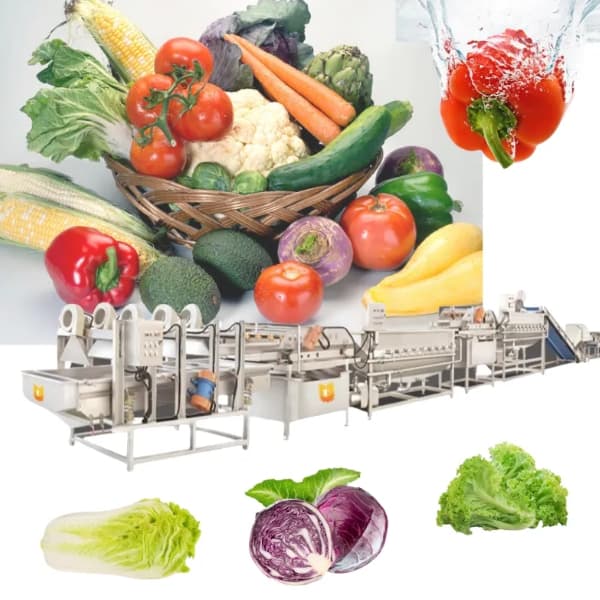
Funzioni principali
Il processo di scottatura offre numerosi importanti vantaggi:
- Inattivazione enzimatica
- Sterilizzazione delle superfici
- Conservazione del colore
Verdure tipiche da sbollentare
Le fabbriche comunemente impallidiscono:
- Broccoli
- Spinaci
- Fagioli verdi
- Piselli
- Carote
Nella maggior parte delle linee di produzione di verdure congelate, la scottatura è una fase di lavorazione essenziale.
Macchina per la disidratazione delle verdure
Dopo il lavaggio o la sbollentatura, le verdure spesso contengono umidità in eccesso. Perciò, le apparecchiature di disidratazione sono necessarie per migliorare la qualità del prodotto e la durata di conservazione.
Tecnologie comuni di disidratazione
I metodi di disidratazione più diffusi includono:
- Essiccazione centrifuga
- Asciugatura all'aria
- Disidratazione vibrante
Rimuovendo efficacemente l'acqua superficiale, queste macchine migliorano i risultati di confezionamento e riducono la crescita batterica.
Macchina per friggere le verdure
Le friggitrici industriali sono ampiamente utilizzate nella produzione di snack. In particolare, i prodotti vegetali fritti continuano a guadagnare popolarità nei mercati internazionali.
Prodotti fritti comuni
Tra i fritti tipici figurano:
- Patatine fritte
- patate fritte
- Cipolle fritte
- Patatine di verdure
I moderni sistemi di frittura includono il controllo automatico della temperatura, filtrazione dell'olio, e sistemi di trasporto. Di conseguenza, i produttori ottengono una qualità del prodotto stabile e una migliore efficienza dell'olio.
Macchina per il congelamento delle verdure
Le verdure surgelate rimangono molto apprezzate perché offrono praticità e lunga durata. Perciò, la tecnologia di congelamento svolge un ruolo fondamentale nella moderna lavorazione alimentare.
Sistemi di congelamento comuni
L'industria utilizza comunemente:
- Congelatore IQF
- Congelatore a tunnel
- Congelatore a spirale
Tra queste tecnologie, Il congelamento IQF è particolarmente apprezzato perché impedisce alle verdure di attaccarsi tra loro.
Confezionatrice per verdure
L'imballaggio protegge le verdure durante lo stoccaggio e il trasporto. Inoltre, un buon imballaggio migliora l'aspetto del prodotto e il valore di mercato.
Tipi di imballaggio comuni
I produttori usano spesso:
- Confezionamento sottovuoto
- Confezione in sacchetto a cuscino
- Sigillatura del vassoio
- Confezionamento in atmosfera modificata
Poiché la domanda dei consumatori per alimenti convenienti aumenta, la tecnologia di confezionamento continua ad evolversi rapidamente.
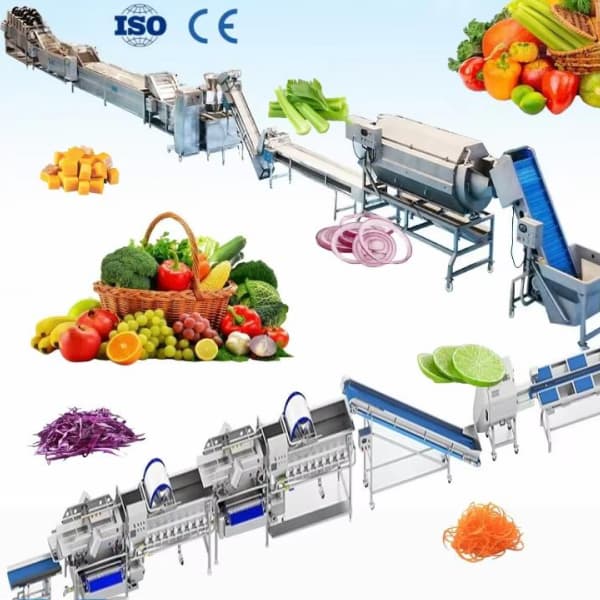
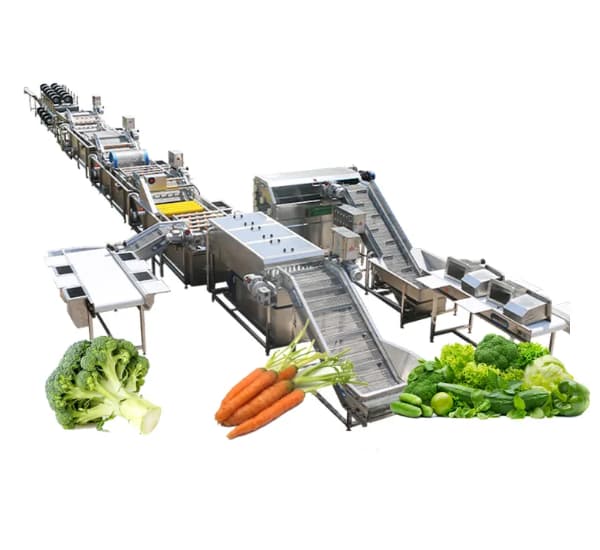
Linea completa di lavorazione delle verdure
Molte fabbriche preferiscono linee di produzione vegetali complete invece di macchine autonome. I sistemi integrati migliorano l’automazione riducendo al contempo il fabbisogno di manodopera.
Una tipica linea di lavorazione delle verdure può includere:
- Trasportatore di alimentazione
- Lavatrice per verdure
- Macchina pelatrice
- Macchina da taglio
- Sistema di sbiancamento
- Sistema di raffreddamento
- Macchina per la disidratazione
- Macchina da imballaggio
Perché ogni fase funziona continuamente, le linee integrate migliorano significativamente l’efficienza complessiva della produzione.
Applicazioni popolari per la lavorazione delle verdure
Produzione di verdure congelate
Le verdure surgelate rappresentano uno dei segmenti più grandi dell’industria alimentare globale. Di conseguenza, la domanda di attrezzature per la lavorazione di verdure congelate continua a crescere.
I comuni prodotti surgelati includono:
- Broccoli congelati
- Carote congelate
- Piselli surgelati
- Verdure miste surgelate
In genere, il processo produttivo prevede il lavaggio, taglio, sbollentare, Congelamento IQF, e imballaggio.
Produzione di patatine fritte
Le linee di produzione di patatine fritte richiedono che più macchine per la lavorazione delle verdure lavorino insieme.
L'attrezzatura tipica include:
- Lavapatate
- Pelapatate
- Tagliastrisce
- Bianches
- Friggitore
- Congelatore
- Macchina da imballaggio
Perché le patatine fritte surgelate vengono consumate in tutto il mondo, questo mercato rimane altamente redditizio.
Lavorazione dell'insalata
La produzione di insalata di IV gamma richiede attrezzature di lavorazione igieniche e una rigorosa gestione della sicurezza alimentare.
Le macchine importanti includono:
- Lavatrice per verdure in foglia
- Cutter
- Asciugatore d'aria
- Macchina da imballaggio
Inoltre, ambienti di lavorazione puliti sono essenziali per mantenere la freschezza e prevenire la contaminazione.
Lavorazione dell'aglio e della cipolla
Le macchine per la lavorazione di aglio e cipolla sono ampiamente utilizzate nelle cucine commerciali e nelle fabbriche di condimenti.
Le macchine popolari includono:
- Macchina per sbucciare l'aglio
- Macchina per sbucciare cipolle
- Affettatrice per cipolle
- Macchina per la pasta d'aglio
Rispetto alla preparazione manuale, i sistemi automatici migliorano sia l’efficienza che la coerenza.
Materiali utilizzati nelle macchine per la lavorazione delle verdure
La maggior parte delle apparecchiature industriali per la lavorazione delle verdure utilizza acciaio inossidabile per uso alimentare.
Perché l'acciaio inossidabile è importante
L’acciaio inossidabile offre numerosi vantaggi:
- Resistenza alla corrosione
- Pulizia facile
- Durata di lunga durata
- Superfici igieniche
- Conformità alla sicurezza alimentare
Nella maggior parte dei casi, L'acciaio inossidabile SUS304 è comunemente utilizzato nella produzione di macchine alimentari. Tuttavia, alcune macchine per carichi pesanti utilizzano l'acciaio inossidabile SUS316 per una migliore resistenza alla corrosione.
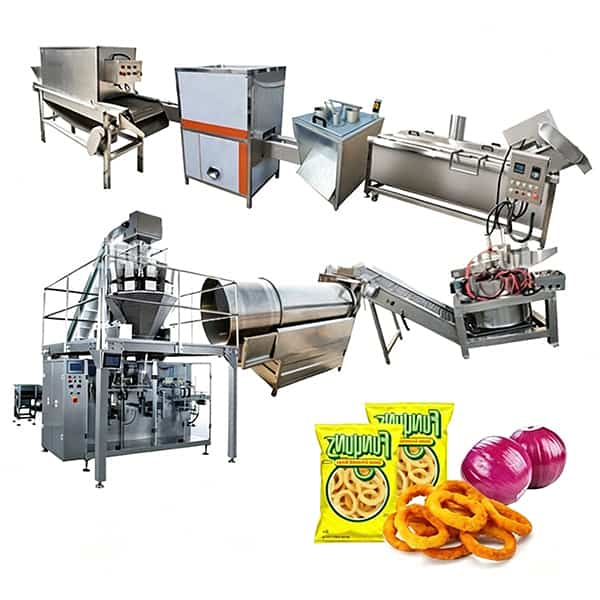
Automazione nella lavorazione delle verdure
L’automazione sta trasformando rapidamente l’industria alimentare globale. Perciò, le moderne macchine per la lavorazione delle verdure includono sempre più sistemi di controllo intelligenti.
Le funzionalità avanzate spesso includono:
- Sistemi di controllo PLC
- Interfacce touchscreen
- Sensori automatici
- Controllo intelligente della temperatura
- Monitoraggio remoto
Di conseguenza, l’automazione migliora la stabilità della produzione, Qualità del prodotto, ed efficienza energetica contemporaneamente.
Vantaggi delle macchine automatiche per la lavorazione delle verdure
I sistemi automatici offrono molteplici vantaggi ai produttori alimentari.
Lavoro umano ridotto
L'automazione riduce al minimo il funzionamento manuale e riduce la dipendenza dalla manodopera.
Velocità di elaborazione più rapida
Le macchine industriali lavorano ogni giorno grandi quantità di verdure.
Igiene migliorata
I sistemi chiusi riducono significativamente i rischi di contaminazione.
Efficienza energetica
Le apparecchiature moderne consumano meno elettricità e acqua rispetto ai sistemi più vecchi.
Migliore resa del prodotto
Il taglio preciso riduce gli sprechi di materia prima e migliora la redditività.
Macchine per la lavorazione delle verdure per piccole imprese
Anche le piccole imprese possono trarre vantaggio da attrezzature compatte per la lavorazione delle verdure. Infatti, molte startup iniziano con sistemi automatici su piccola scala.
Le macchine compatte più popolari includono:
- Taglierine da tavolo
- Mini rondelle
- Piccoli pelapatate
- Sistemi di confezionamento compatti
Queste macchine sono adatte per:
- Ristoranti
- Imprese di ristorazione
- Startup alimentari
- Piccole aziende agricole
Inoltre, le macchine compatte richiedono meno spazio di installazione e minori costi di investimento.
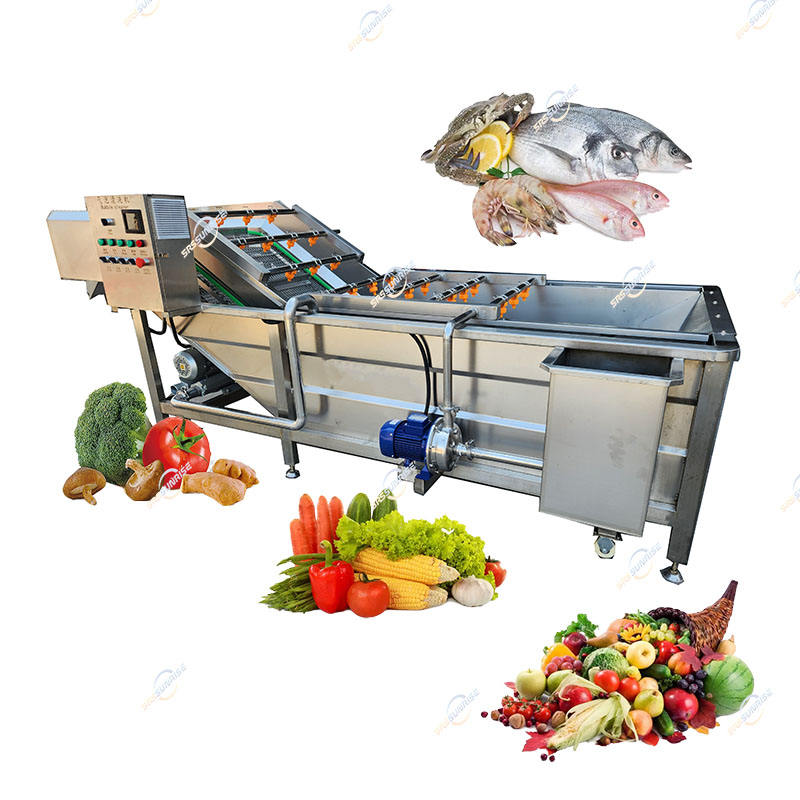
Attrezzature per la lavorazione industriale delle verdure
Le grandi fabbriche alimentari richiedono sistemi industriali pesanti con capacità di produzione continua.
Le apparecchiature industriali in genere sono dotate:
- Alta capacità produttiva
- Funzionamento completamente automatico
- Elaborazione continua
- Sistemi di controllo integrati
Le capacità di produzione possono variare da:
- 100 kg/h
- 500 kg/h
- 1000 kg/h
- 5000 kg/h
Di conseguenza, i produttori possono scegliere le apparecchiature in base alle dimensioni della fabbrica e agli obiettivi di produzione.
Come scegliere la giusta macchina per la lavorazione delle verdure
La scelta della macchina corretta dipende da diversi fattori importanti.
Capacità produttiva
Primo, le aziende dovrebbero determinare i fabbisogni di produzione giornaliera.
Tipo di verdura
Verdure diverse richiedono tecnologie di lavorazione diverse.
Livello di automazione
I produttori possono scegliere tra:
- Manuale
- Semiautomatico
- Sistemi completamente automatici
Spazio di fabbrica
Le dimensioni della macchina devono corrispondere allo spazio di installazione disponibile.
Considerazioni sul budget
Le imprese dovrebbero valutare:
- Prezzo dell'attrezzatura
- Costi di manutenzione
- Consumo energetico
- Risparmio di manodopera
Standard di sicurezza alimentare
Finalmente, le apparecchiature dovrebbero essere conformi agli standard internazionali come:
- FDA
- Ce
- Iso
- HACCP
Manutenzione di macchine per la lavorazione delle verdure
Una corretta manutenzione prolunga la durata della macchina e migliora l'affidabilità operativa.
Pulizia giornaliera
Gli operatori dovrebbero rimuovere i residui vegetali dopo la produzione.
Lubrificazione
Le parti mobili richiedono una lubrificazione regolare per ridurre l'usura.
Ispezione della lama
Le lame affilate migliorano la qualità e l'efficienza del taglio.
Ispezione elettrica
I motori e i sistemi di controllo devono essere ispezionati periodicamente.
Perciò, la manutenzione preventiva è essenziale per le prestazioni della macchina a lungo termine.
Tendenze nel settore della lavorazione delle verdure
L’industria della lavorazione delle verdure continua ad evolversi rapidamente a causa del cambiamento delle preferenze dei consumatori e dell’innovazione tecnologica.
Trasformazione alimentare intelligente
Le tecnologie AI e IoT stanno diventando sempre più comuni.
Attrezzature per il risparmio energetico
I produttori si stanno concentrando sulla riduzione del consumo energetico.
Elaborazione sostenibile
I sistemi di riciclaggio dell’acqua stanno guadagnando popolarità a livello globale.
Progettazione igienica della macchina
I requisiti di sicurezza alimentare continuano ad aumentare ogni anno.
Linee di produzione personalizzate
Le fabbriche richiedono sempre più soluzioni di lavorazione personalizzate per prodotti specifici.
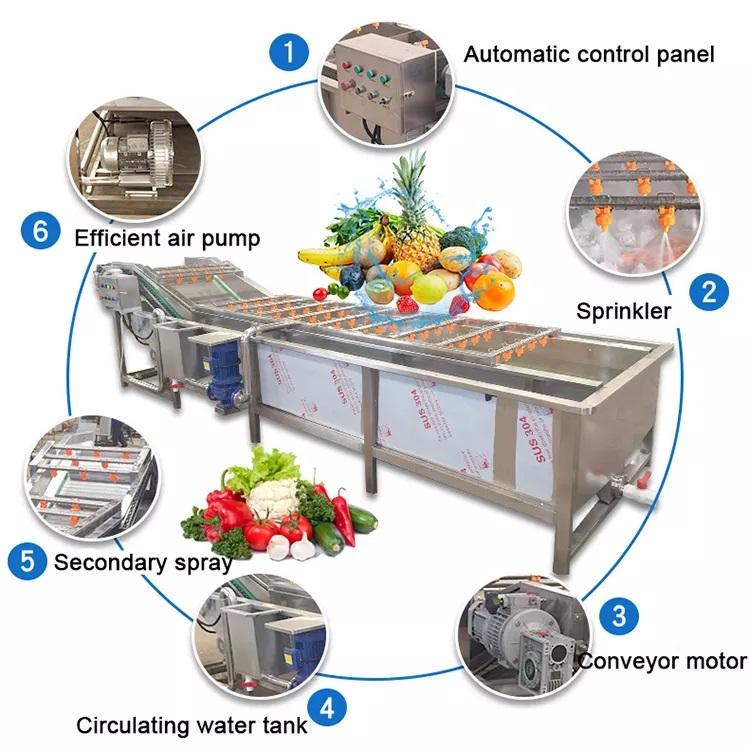
Macchine per la lavorazione delle verdure per i mercati esteri
La domanda globale di verdure trasformate continua a crescere costantemente. Mentre il commercio alimentare internazionale si espande, i produttori investono molto in moderne apparecchiature di lavorazione.
I principali mercati di esportazione includono:
- Stati Uniti
- Europa
- Medio Oriente
- Sud -est asiatico
- America Latina
Perciò, macchinari per la lavorazione delle verdure di alta qualità sono diventati essenziali per le aziende alimentari orientate all'esportazione.
Problemi comuni nella lavorazione delle verdure
Nonostante l'automazione avanzata, potrebbero ancora verificarsi alcuni problemi operativi.
Taglio irregolare
In molti casi, le lame smussate causano risultati di taglio incoerenti.
Danni al prodotto
Impostazioni errate della macchina potrebbero danneggiare le verdure durante la lavorazione.
Acqua in eccesso
Una scarsa disidratazione influisce sulla qualità dell'imballaggio e sulla durata di conservazione.
Problemi di igiene
Una pulizia impropria può aumentare i rischi di contaminazione.
Fortunatamente, la manutenzione regolare e la formazione degli operatori contribuiscono a ridurre significativamente questi problemi.
Il futuro delle macchine per la lavorazione delle verdure
Il futuro delle apparecchiature per la lavorazione delle verdure si concentrerà su soluzioni più intelligenti, più pulito, e tecnologie di produzione più sostenibili.
Le tendenze future includono:
- Intelligenza artificiale
- Robotica
- Sistemi di monitoraggio intelligenti
- Elaborazione efficiente dal punto di vista energetico
- Produzione ecologica
Poiché la domanda di prodotti alimentari sani e convenienti continua ad aumentare, l’automazione della lavorazione delle verdure si espanderà ulteriormente a livello mondiale.
Produttori leader di macchine per la lavorazione delle verdure
Molte aziende forniscono attrezzature per la lavorazione delle verdure in tutto il mondo.
I produttori noti includono:
- Gruppo GEA
- Gruppo Buhler
- Calore e controllo
- JBT Corporation
- Henan Dongtai Food Machine Co., Ltd.
I produttori cinesi stanno diventando sempre più popolari perché offrono:
- Prezzi competitivi
- Consegna veloce
- Soluzioni personalizzate
- Ampia scelta di attrezzature
Conclusione
Una moderna macchina per la lavorazione delle verdure svolge un ruolo fondamentale nell’industria alimentare di oggi. Dal lavaggio e pelatura al taglio, frittura, congelamento, e imballaggio, queste macchine aiutano le aziende a migliorare l’efficienza, sicurezza alimentare, e la qualità del prodotto.
Inoltre, l’automazione riduce i costi di manodopera aumentando al contempo la coerenza della produzione. Che tu gestisca un piccolo ristorante o un grande stabilimento industriale, scegliere la giusta attrezzatura per la lavorazione delle verdure può migliorare significativamente la redditività e le prestazioni operative.
Mentre le tecnologie di produzione intelligente continuano ad avanzare, le macchine per la lavorazione delle verdure diventeranno ancora più intelligenti, igienico, efficiente dal punto di vista energetico, e rispettoso dell'ambiente in futuro. Di conseguenza, Le aziende che oggi investono in apparecchiature di lavorazione di alta qualità saranno in una posizione migliore per competere nel crescente mercato globale della trasformazione alimentare.