Introduzione
L’industria alimentare globale continua ad espandersi rapidamente perché i consumatori richiedono sempre più alimenti sani, più sicuro, e prodotti alimentari più convenienti. Di conseguenza, La lavorazione di frutta e verdura è diventata uno dei settori più importanti della moderna produzione alimentare. La frutta e la verdura trasformate sono ampiamente utilizzate nei supermercati, ristoranti, fabbriche di alimenti congelati, impianti di produzione di snack, industrie delle bevande, e produzione di piatti pronti.
Per le fabbriche alimentari, un’efficiente lavorazione di frutta e verdura può migliorare significativamente la capacità produttiva riducendo al contempo i costi di manodopera e minimizzando gli sprechi di materie prime. Inoltre, la moderna tecnologia di lavorazione aiuta a prolungare la durata di conservazione del prodotto, mantenere il valore nutrizionale, e migliorare la consistenza del prodotto. Perciò, molti produttori alimentari stanno investendo massicciamente in macchinari automatizzati, sistemi di controllo intelligenti, e linee di produzione igieniche.
Cos'è la lavorazione di frutta e verdura?
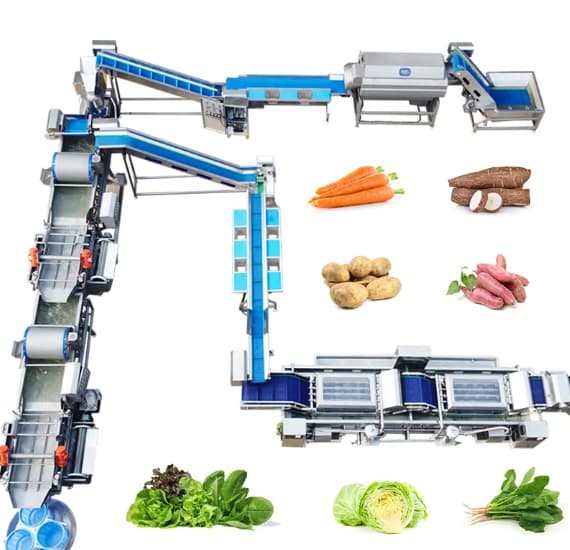
La lavorazione di frutta e verdura si riferisce alla trasformazione industriale di prodotti agricoli freschi in alimenti trasformati di maggior valore, durata di conservazione migliorata, e una migliore comodità.
Generalmente, le operazioni di trattamento comprendono:
- Lavaggio
- Smistamento
- Peeling
- Taglio
- Sbiancante
- Essiccazione
- Congelamento
- Frittura
- Succhi
- Purea
- Sterilizzazione
- Confezione
L'obiettivo principale è preservare la freschezza rendendo i prodotti più facili da trasportare, negozio, e consumare. Di conseguenza, i prodotti trasformati possono raggiungere mercati più ampi e rimanere stabili per periodi più lunghi.
Oggi, i comuni prodotti ortofrutticoli trasformati includono:
- Verdure congelate
- Frutta secca
- Succo di frutta
- Concentrato di pomodoro
- patate fritte
- Chips di verdure
- Purea di frutta
- Verdure in scatola
- Insalate di IV gamma
- Verdure in salamoia
- Prodotti a base di aglio e cipolla
Perché la lavorazione di frutta e verdura è importante
Ridurre le perdite post-raccolta
La frutta e la verdura fresca si deteriorano rapidamente se non vengono lavorate correttamente. Perciò, la lavorazione industriale aiuta a ridurre gli sprechi alimentari e a migliorare l’utilizzo dei prodotti.
Aumento del valore del prodotto
I prodotti trasformati generano solitamente profitti molto più elevati rispetto ai prodotti agricoli grezzi. Per esempio, le patate possono diventare patatine fritte congelate, mentre i pomodori possono essere convertiti in ketchup o concentrato di pomodoro. Allo stesso modo, i manghi vengono spesso trasformati in snack essiccati, succo, o purea.
Migliorare la sicurezza alimentare
Le moderne apparecchiature di lavorazione aiutano le fabbriche a mantenere rigorosi standard igienici. Inoltre, i sistemi automatizzati riducono il contatto umano durante la produzione, che minimizza ulteriormente i rischi di contaminazione.
Sostenere l’approvvigionamento alimentare globale
I prodotti alimentari trasformati possono essere trasportati su lunghe distanze senza un rapido deterioramento. Di conseguenza, le fabbriche alimentari possono espandersi più facilmente sui mercati internazionali.
Principali tipologie di lavorazione di frutta e verdura
Lavorazione del fresco
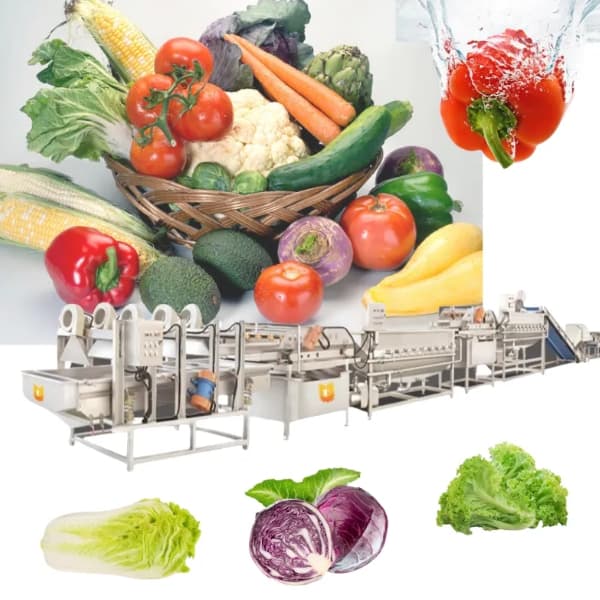
La lavorazione della IV gamma prevede il lavaggio, peeling, taglio, e confezionare prodotti freschi mantenendo un aspetto e una consistenza freschi.
I prodotti comuni includono:
- Verdure da insalata
- Mele a fette
- Tagliare le carote
- Verdure pronte da cuocere
Vantaggi della lavorazione del fresco
I prodotti di IV gamma sono sempre più apprezzati perché offrono comodità ai consumatori. Inoltre, questi prodotti richiedono tempi di preparazione minimi.
Ulteriori vantaggi includono:
- Aspetto fresco
- Breve tempo di preparazione
- Maggiore comodità
- Crescente domanda di mercato
Principali attrezzature utilizzate
Le fabbriche in genere utilizzano:
- Lavatrici a bolle
- Macchine per tagliare le verdure
- Sistemi di essiccazione ad aria
- Macchine per l'imballaggio
Elaborazione del congelamento
La frutta e la verdura congelate sono molto apprezzate in tutto il mondo perché il congelamento preserva le sostanze nutritive, colore, e strutturare in modo efficace.
I prodotti surgelati tipici includono:
- Piselli surgelati
- Broccoli congelati
- Cubi di mango congelati
- Patatine fritte congelate
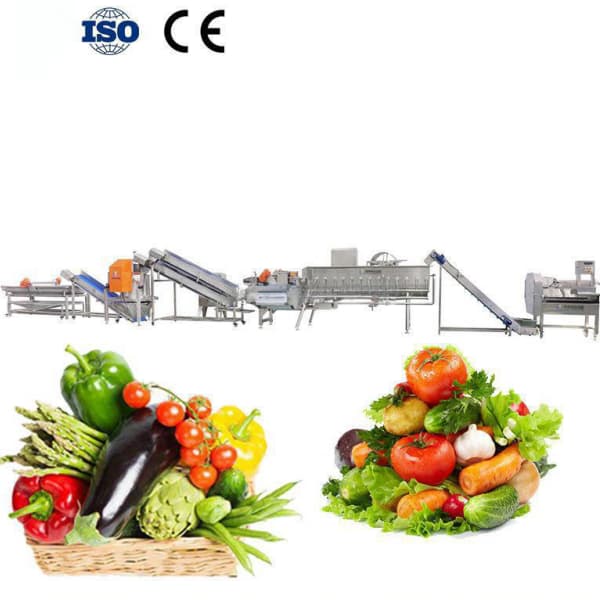
Tecnologia di congelamento IQF
Freezing singolo rapido (Iqf) la tecnologia congela rapidamente i prodotti separatamente. Di conseguenza, i prodotti non si attaccano tra loro e mantengono una qualità migliore.
Vantaggi della lavorazione congelata
La lavorazione congelata offre numerosi vantaggi importanti. Ad esempio, i prodotti congelati hanno una durata di conservazione più lunga e un'eccellente stabilità di trasporto.
Altri vantaggi includono:
- Migliore ritenzione della freschezza
- Comodo spazio di archiviazione
- Forte domanda di esportazioni
- Deterioramento ridotto
Attrezzature principali per linee di congelamento
Una linea di congelamento standard può includere:
- Macchine per sbollentare
- Macchine per la disidratazione
- Congelatori IQF
- Sistemi di imballaggio
Essiccazione e Disidratazione
L'essiccazione rimuove l'umidità da frutta e verdura per prevenire la crescita microbica e il deterioramento. Perciò, i prodotti disidratati possono rimanere stabili per periodi prolungati.
I prodotti essiccati più popolari includono:
- Mango essiccato
- Uvetta
- Fiocchi d'aglio
- Polvere di cipolla
- Polvere vegetale
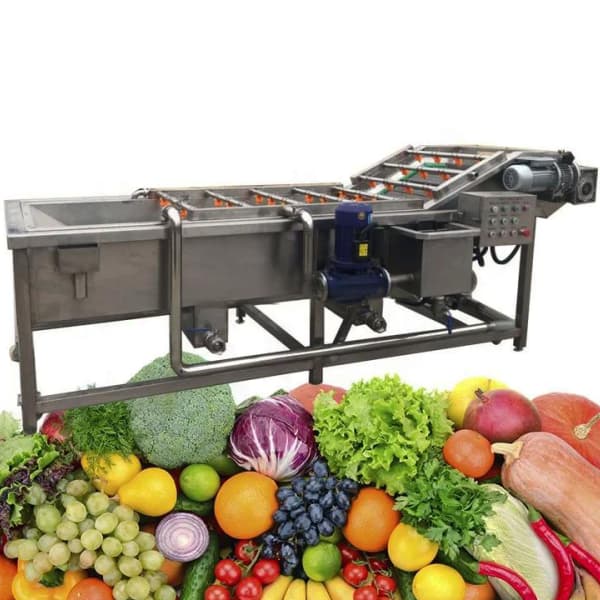
Metodi di essiccazione comuni
Asciugatura ad aria calda
L’essiccazione ad aria calda è ampiamente utilizzata perché economica e adatta alla produzione su larga scala.
Liofilizzazione
La liofilizzazione preserva la struttura del prodotto e il valore nutrizionale in modo più efficace. Tuttavia, il costo dell’investimento è significativamente più alto.
Asciugatura sotto vuoto
L'essiccazione sotto vuoto viene spesso utilizzata per prodotti alimentari di alta qualità con severi requisiti di qualità.
Vantaggi del processo di essiccazione
I prodotti disidratati offrono molti vantaggi commerciali. In particolare, i costi di trasporto e stoccaggio sono molto inferiori grazie al peso e al volume ridotti.
Lavorazione di succhi e bevande
La lavorazione dei succhi di frutta rimane uno dei settori più importanti dell’industria delle bevande. Inoltre, la domanda dei consumatori per bevande salutari continua ad aumentare a livello globale.
I succhi più popolari includono:
- Succo d'arancia
- Succo di mela
- Succo di mango
- Succo di verdure miste
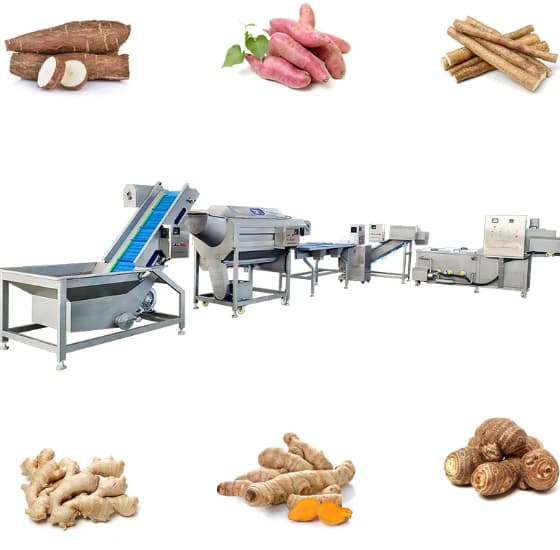
Processo di produzione del succo
Il tipico processo di produzione include:
- Lavaggio
- Smistamento
- Schiacciamento
- Estrazione del succo
- Filtrazione
- Pastorizzazione
- Riempimento e confezionamento
Importanti apparecchiature per la lavorazione del succo
L'attrezzatura comune include:
- Frantoi per frutta
- Estrattori di succo
- Pastorizzatori
- Macchine riempitrici
Lavorazione dell'inscatolamento
La frutta e la verdura in scatola rimangono importanti perché forniscono un'eccellente stabilità alla conservazione senza refrigerazione.
Gli esempi includono:
- Pesche in scatola
- Funghi in scatola
- Mais dolce in scatola
- Pomodori in scatola
Vantaggi dell'inscatolamento
La tecnologia di inscatolamento offre numerosi vantaggi. Per esempio, i prodotti in scatola possono mantenere una qualità stabile per lunghi periodi.
Ulteriori vantaggi includono:
- Lunga durata
- Trasporto conveniente
- Deterioramento ridotto
- Facile da riporre
Requisiti chiave per l'inscatolamento
Per garantire la sicurezza del prodotto, le fabbriche devono controllare:
- Sterilizzazione
- Sigillatura sottovuoto
- Igiene dell'imballaggio
- Gestione della temperatura
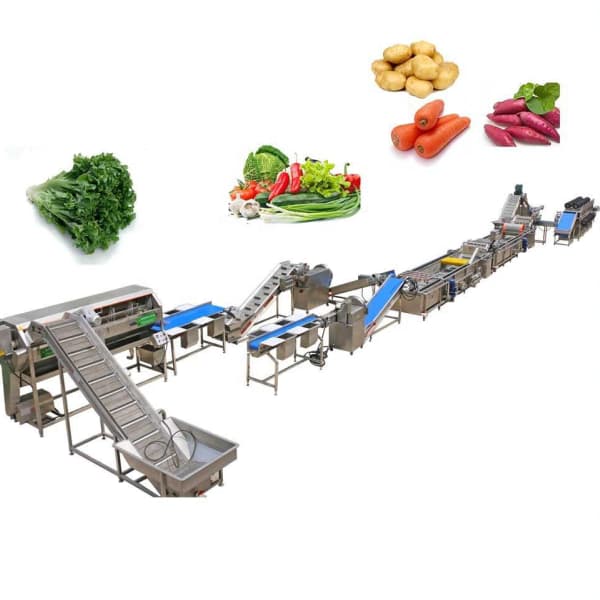
Lavorazione della frittura
Gli snack fritti di frutta e verdura stanno diventando sempre più popolari sui mercati internazionali. Perciò, molte fabbriche alimentari stanno investendo in linee di produzione automatizzate di frittura.
I prodotti popolari includono:
- Patatine fritte
- Patatine di banana
- Cipolle fritte
- Patatine di verdure
Principali fasi di produzione
Il processo generalmente include:
- Lavaggio
- Peeling
- Affettare
- Sbiancante
- Frittura
- De-oiling
- Condimento
- Confezione
Importante attrezzatura per friggere
Le fabbriche comunemente usano:
- Macchine affettatrici
- Friggitrici continue
- Sistemi di disoleazione
- Macchine per condimenti
Linea completa per la lavorazione di frutta e verdura
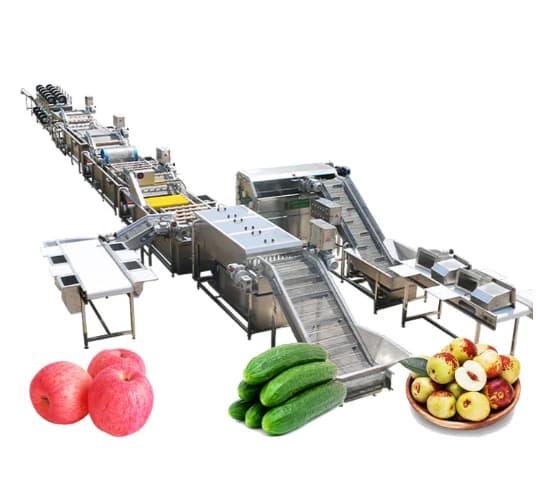
Le moderne fabbriche alimentari solitamente combinano più macchine in sistemi di lavorazione completamente automatici. Di conseguenza, l’efficienza produttiva e la consistenza del prodotto migliorano significativamente.
Ricevimento Materie Prime
Le fabbriche innanzitutto ispezionano attentamente i prodotti in entrata. In genere, gli ispettori della qualità valutano:
- Freschezza
- Misurare
- Maturazione
- Danni superficiali
- Materiali estranei
Materie prime di alta qualità sono essenziali per la produzione di prodotti finiti di alta qualità.
Lavaggio e pulizia
Un lavaggio adeguato rimuove i contaminanti e migliora la sicurezza alimentare. Inoltre, una pulizia efficace migliora l'aspetto del prodotto.
Le fabbriche di solito rimuovono:
- Sporco
- Sabbia
- Pietre
- Residui di pesticidi
- Detriti vegetali
Attrezzature di lavaggio comuni
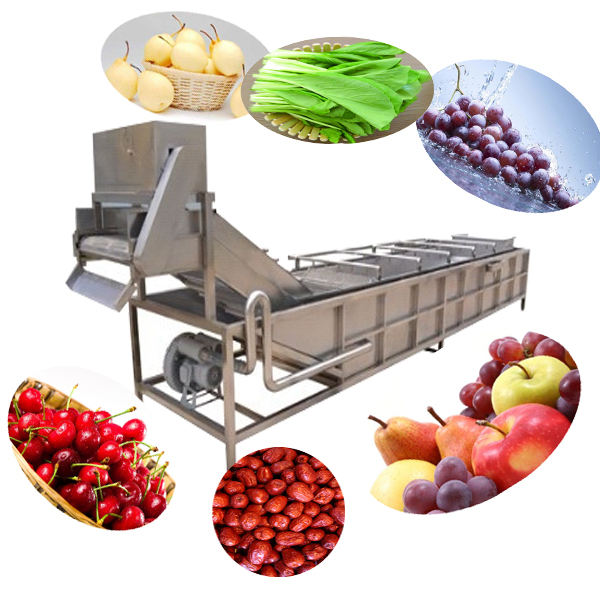
Lavatrici a bolle
Queste macchine utilizzano bolle d'aria e circolazione dell'acqua per una pulizia delicata.
Lavatrici a spazzole
Le rondelle a spazzola sono adatte per le patate, carote, e ortaggi a radice.
Rondelle a spruzzo
Le idropulitrici utilizzano sistemi ad acqua ad alta pressione per la pulizia delle superfici.
Ordinamento e classificazione
I sistemi di smistamento migliorano la consistenza del prodotto e riducono i difetti. Al giorno d'oggi, molte fabbriche utilizzano la tecnologia di smistamento ottico automatizzato.
Metodi di ordinamento comuni
- Ordinamento manuale
- Classificazione del peso
- Classificazione delle dimensioni
- Selezione ottica del colore
Perché i sistemi di visione AI stanno diventando sempre più avanzati, la precisione dello smistamento migliora continuamente.
Peeling
Frutta e verdura diverse richiedono tecnologie di pelatura diverse.
Metodi comuni di peeling
Peeling meccanico
La pelatura meccanica è comunemente usata per patate e carote.
Peeling a vapore
La pelatura a vapore offre un'elevata efficienza per le linee di produzione industriale.
Peeling chimico
Alcune applicazioni di lavorazione della frutta utilizzano metodi di pelatura chimica.
Tagliare e Affettare
Il taglio di precisione migliora l'uniformità del prodotto e l'aspetto finale. Inoltre, il taglio coerente aiuta a migliorare le prestazioni di cottura e congelamento.
Tipi di taglio
- Tagliare a cubetti
- Affettare
- Cubatura
- Triturazione
- Taglio strisce
Le moderne macchine da taglio offrono dimensioni regolabili e capacità di elaborazione ad alta velocità.
Sbiancante
La sbollentatura utilizza vapore o acqua calda per migliorare la stabilità del prodotto prima del congelamento o dell'essiccazione.
Questo processo aiuta:
- Inattivare gli enzimi
- Preserva il colore
- Migliora la consistenza
- Ridurre i batteri
Perciò, la scottatura è una fase essenziale in molte linee di produzione.
Essiccazione o Frittura
A seconda del prodotto finale, le fabbriche possono utilizzare essiccatori, friggitrici, liofilizzatori, o friggitrici sottovuoto. Nel frattempo, l’efficienza energetica è diventata sempre più importante in queste operazioni.
Confezione
L'imballaggio protegge la qualità degli alimenti e prolunga la durata di conservazione. Inoltre, un packaging attraente migliora la competitività sul mercato.
Tipi di imballaggio comuni
- Sacchetti sottovuoto
- Borse a cuscino
- Vassoi di plastica
- Buste stand-up
- Lattine di metallo
Tecnologie di confezionamento avanzate
Le fabbriche moderne spesso usano:
- Sigillatura sottovuoto
- Lavaggio dell'azoto
- Confezionamento in atmosfera modificata
Importanti attrezzature per la lavorazione di frutta e verdura
Lavatrici
I moderni sistemi di lavaggio migliorano l’efficienza della pulizia riducendo al minimo i danni al prodotto.
Caratteristiche principali
- Costruzione in acciaio inossidabile
- Sistemi di riciclaggio dell'acqua
- Controllo della velocità regolabile
- Filtrazione automatica
Macchine selezionatrici
I sistemi di smistamento ottico utilizzano telecamere e sensori per rilevare automaticamente i prodotti difettosi.
Principali vantaggi
- Riduzione dei costi del lavoro
- Maggiore precisione di smistamento
- Migliore consistenza del prodotto
Taglierine industriali
Le macchine da taglio ad alta velocità elaborano in modo efficiente grandi volumi di produzione.
Applicazioni tipiche
- patate fritte
- Cubi di verdure
- Fette di frutta
- Ingredienti dell'insalata
Macchine per sbollentare
I blancher industriali forniscono un controllo stabile della temperatura per una qualità di lavorazione costante.
Tipi comuni
- Scottatori continui
- Scottatrici a vapore
- Scottatrici ad acqua calda
Macchine per l'asciugatura
Gli essiccatori sono essenziali per la produzione di alimenti disidratati.
Tipi più diffusi di asciugatrici
- Essiccatoi a nastro
- Essiccatoi a vassoio
- Essiccatori sottovuoto
- Liofilizzatori
Friggitrici industriali
Le friggitrici continue sono ampiamente utilizzate nelle linee di produzione di snack.
Caratteristiche principali
- Controllo automatico della temperatura
- Sistemi di filtrazione dell'olio
- Alimentazione continua
- Progettazione a risparmio energetico
Attrezzatura per il congelamento
I congelatori IQF congelano rapidamente i prodotti mantenendone qualità e aspetto.
Principali vantaggi
- Consistenza migliore
- Aspetto migliorato
- Durata di conservazione più lunga
Sicurezza alimentare nella lavorazione di frutta e verdura
La sicurezza alimentare è estremamente importante per ogni fabbrica alimentare. Perciò, gli impianti di lavorazione devono seguire rigorosi standard internazionali.
Sistema HACCP
Analisi dei pericoli e punti di controllo critici (HACCP) aiuta le fabbriche a identificare e controllare efficacemente i rischi per la sicurezza alimentare.
Aree di controllo critiche
- Ispezione delle materie prime
- Qualità del lavaggio
- Controllo della temperatura
- Rilevazione di metalli
- Igiene dell'imballaggio
Standard GMP
Le buone pratiche di produzione garantiscono ambienti di produzione igienici.
Requisiti GMP
- Strutture pulite
- Igiene dei dipendenti
- Controllo dei parassiti
- Sanificazione attrezzature
Attrezzatura in acciaio inossidabile
L’acciaio inossidabile per uso alimentare è ampiamente utilizzato perché resiste alla corrosione e previene la contaminazione. Inoltre, le attrezzature in acciaio inossidabile sono facili da pulire e mantenere.
304 l'acciaio inossidabile è particolarmente comune nelle fabbriche alimentari.
Automazione nelle moderne fabbriche alimentari
L’automazione sta trasformando l’industria della lavorazione di frutta e verdura in tutto il mondo.
Vantaggi dell'automazione
Costi di manodopera inferiori
Le linee di produzione automatizzate riducono la dipendenza dal lavoro manuale.
Maggiore efficienza produttiva
Le macchine possono funzionare continuamente con prestazioni stabili.
Migliore consistenza del prodotto
L'automazione migliora l'uniformità delle dimensioni e il controllo della qualità.
Riduzione degli sprechi alimentari
Una lavorazione accurata riduce al minimo le perdite di materia prima.
Tecnologie per la fabbrica intelligente
Le fabbriche moderne adottano sempre più tecnologie avanzate come:
- Sistemi di controllo PLC
- Interfacce touchscreen
- Ispezione visiva dell'IA
- Imballaggio robotico
- Sistemi di monitoraggio IoT
Di conseguenza, la gestione della produzione diventa più efficiente e affidabile.
Efficienza energetica negli impianti di trasformazione
I costi energetici rimangono una delle principali preoccupazioni per i produttori alimentari. Di conseguenza, le fabbriche stanno investendo in tecnologie di risparmio energetico.
Soluzioni per il risparmio energetico
Sistemi di recupero del calore
Questi sistemi recuperano il calore dalle friggitrici o dagli essiccatori per il riutilizzo.
Azionamenti a frequenza variabile
Gli azionamenti a frequenza variabile riducono il consumo di elettricità nei motori.
Attrezzatura isolata
L'isolamento migliora l'efficienza termica e riduce la perdita di energia.
Sistemi di riciclaggio dell'acqua
I sistemi di riciclo dell'acqua aiutano a ridurre il consumo di acqua durante le operazioni di lavaggio.
La produzione sostenibile sta diventando un importante vantaggio competitivo nell’industria alimentare globale.
Prodotti ortofrutticoli popolari per le fabbriche alimentari
Prodotti a base di patate
Le patate sono tra le verdure più lavorate al mondo.
Prodotti comuni a base di patate
- patate fritte
- Patatine fritte
- Fiocchi di patate
- Patate congelate
Prodotti a base di pomodoro
I pomodori sono ampiamente trasformati:
- Concentrato di pomodoro
- Ketchup
- Salsa di pomodoro
- Purea
Prodotti a base di cipolla e aglio
I prodotti popolari a base di cipolla e aglio includono:
- Cipolle fritte
- Aglio in polvere
- Fiocchi di cipolla
- Pasta di aglio
Prodotti al mango
La lavorazione del mango include:
- Purea di mango
- Mango essiccato
- Cubi di mango congelati
- Succo di mango
Prodotti Apple
Le mele vengono comunemente trasformate:
- Succo
- Snack secchi
- Salsa di mele
- Fette congelate
Sfide nella lavorazione di frutta e verdura
Fornitura stagionale di materie prime
Le fabbriche devono gestire le fluttuazioni delle stagioni del raccolto e della disponibilità delle materie prime.
Durata di conservazione del prodotto
Mantenere la freschezza e il valore nutrizionale rimane una sfida importante.
Aumento del costo del lavoro
Perché le spese del lavoro continuano ad aumentare, l’automazione sta diventando sempre più importante.
Norme sulla sicurezza alimentare
Le fabbriche devono rispettare rigorosi standard internazionali di sicurezza alimentare.
Consumo di energia
Gli impianti di lavorazione consumano quantità significative di energia elettrica ed energia termica.
Tendenze future nella lavorazione di frutta e verdura
Maggiore automazione
L’intelligenza artificiale e la robotica continueranno a sostituire le operazioni manuali nelle fabbriche alimentari.
Domanda di snack salutari
I consumatori preferiscono sempre più snack naturali a base di frutta e verdura.
Produzione sostenibile
Le fabbriche investono:
- Energia rinnovabile
- Riciclo dell'acqua
- Imballaggio ecologico
Produzione intelligente
Le fabbriche digitali con sistemi di monitoraggio in tempo reale stanno diventando sempre più comuni.
Crescita alimentare a base vegetale
Gli ingredienti vegetali trasformati sono sempre più utilizzati nei prodotti alimentari a base vegetale.
Come scegliere le attrezzature per la lavorazione di frutta e verdura
Le fabbriche alimentari dovrebbero valutare diversi fattori prima di acquistare macchinari.
Capacità produttiva
Le fabbriche dovrebbero selezionare attrezzature che soddisfino i requisiti di produzione giornaliera.
Tipo di prodotto
Prodotti diversi richiedono tecnologie di lavorazione specializzate.
Livello di automazione
I produttori dovrebbero bilanciare il risparmio di manodopera con i costi di investimento.
Qualità del materiale
Le attrezzature in acciaio inossidabile per uso alimentare sono essenziali per l'igiene e la durata.
Servizio post-vendita
Un supporto tecnico affidabile è fondamentale per la produzione industriale.
Consumo di energia
Le macchine ad alta efficienza energetica aiutano a ridurre i costi operativi a lungo termine.
I vantaggi di investire in linee di lavorazione moderne
I moderni sistemi di lavorazione aiutano le fabbriche:
- Aumentare la produttività
- Migliorare la sicurezza alimentare
- Ridurre i costi del lavoro
- Migliorare la qualità del prodotto
- Ampliare le opportunità di esportazione
- Migliorare la redditività
Perciò, le fabbriche che utilizzano l’automazione avanzata spesso raggiungono una maggiore competitività sul mercato.
Trasformazione di frutta e verdura- Macchina alimentare DT
La lavorazione di frutta e verdura è diventata uno dei settori più importanti della moderna produzione alimentare. Come la domanda globale di conveniente, salutare, e i prodotti alimentari a lunga conservazione continuano ad aumentare, le fabbriche alimentari devono adottare tecnologie di lavorazione efficienti e igieniche per rimanere competitive.
Dal lavaggio e cernita al congelamento, asciugatura, frittura, e imballaggio, ogni fase di lavorazione svolge un ruolo fondamentale nella sicurezza alimentare e nella qualità del prodotto. Inoltre, le moderne linee di produzione automatizzate aiutano le fabbriche a migliorare l’efficienza, ridurre gli sprechi, minori costi di manodopera, e raggiungere standard di produzione coerenti.
Nei prossimi anni, automazione intelligente, produzione sostenibile, e le tecnologie ad alta efficienza energetica continueranno a plasmare l’industria della lavorazione di frutta e verdura. Di conseguenza, Le fabbriche alimentari che investono in apparecchiature di lavorazione avanzate e moderni sistemi di produzione saranno posizionate meglio per la crescita a lungo termine e il successo sui mercati internazionali.