Einführung
Die weltweite Lebensmittelindustrie wächst weiterhin rasant, da die Verbraucher zunehmend gesündere Produkte verlangen, sicherer, und praktischere Lebensmittelprodukte. Infolge, Die Obst- und Gemüseverarbeitung ist zu einem der wichtigsten Sektoren der modernen Lebensmittelherstellung geworden. Verarbeitetes Obst und Gemüse wird in Supermärkten häufig verwendet, Restaurants, Gefrorene Lebensmittelfabriken, Snack-Produktionsanlagen, Getränkeindustrie, und Herstellung von Fertiggerichten.
Für Lebensmittelfabriken, Eine effiziente Obst- und Gemüseverarbeitung kann die Produktionskapazität erheblich verbessern und gleichzeitig die Arbeitskosten senken und die Rohstoffverschwendung minimieren. Zusätzlich, Moderne Verarbeitungstechnologie trägt dazu bei, die Haltbarkeit der Produkte zu verlängern, den Nährwert erhalten, und die Produktkonsistenz verbessern. daher, Viele Lebensmittelhersteller investieren stark in automatisierte Maschinen, intelligente Steuerungssysteme, und hygienische Produktionslinien.
Was ist Obst- und Gemüseverarbeitung??
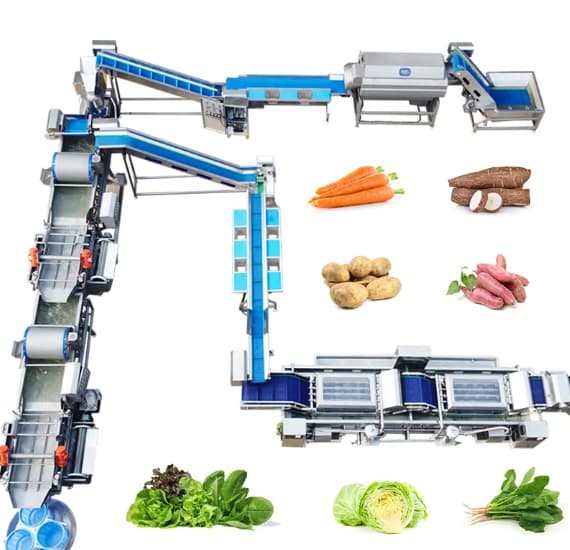
Unter Obst- und Gemüseverarbeitung versteht man die industrielle Umwandlung frischer landwirtschaftlicher Produkte in verarbeitete Lebensmittel mit höherem Wert, verbesserte Haltbarkeit, und mehr Komfort.
Allgemein, Verarbeitungsvorgänge umfassen:
- Waschen
- Sortierung
- Peeling
- Schneiden
- Blanchieren
- Trocknen
- Einfrieren
- Braten
- Entsaften
- Pürieren
- Sterilisation
- Verpackung
Das Hauptziel besteht darin, die Frische zu bewahren und gleichzeitig den Transport der Produkte zu erleichtern, speichern, und konsumieren. Folglich, Verarbeitete Produkte können größere Märkte erreichen und über längere Zeiträume stabil bleiben.
Heute, Zu den gängigen verarbeiteten Obst- und Gemüseprodukten gehören::
- Gefrorenes Gemüse
- Trockenfrüchte
- Fruchtsaft
- Tomatenpaste
- Pommes frites
- Gemüsechips
- Fruchtpüree
- Gemüsekonserven
- Frisch geschnittene Salate
- Eingelegtes Gemüse
- Knoblauch- und Zwiebelprodukte
Warum die Verarbeitung von Obst und Gemüse wichtig ist
Reduzierung von Nachernteverlusten
Frisches Obst und Gemüse verdirbt schnell, wenn es nicht richtig verarbeitet wird. daher, Die industrielle Verarbeitung trägt dazu bei, Lebensmittelverschwendung zu reduzieren und die Produktausnutzung zu verbessern.
Steigerung des Produktwerts
Verarbeitete Produkte erwirtschaften in der Regel deutlich höhere Gewinne als rohe landwirtschaftliche Produkte. Zum Beispiel, Kartoffeln können zu gefrorenen Pommes Frites werden, während Tomaten in Ketchup oder Tomatenmark umgewandelt werden können. Ähnlich, Mangos werden oft zu getrockneten Snacks verarbeitet, Saft, oder Püree.
Verbesserung der Lebensmittelsicherheit
Moderne Verarbeitungsanlagen helfen Fabriken, strenge Hygienestandards einzuhalten. Darüber hinaus, Automatisierte Systeme reduzieren den menschlichen Kontakt während der Produktion, wodurch das Kontaminationsrisiko weiter minimiert wird.
Unterstützung der globalen Nahrungsmittelversorgung
Verarbeitete Lebensmittel können über weite Strecken transportiert werden, ohne dass sie schnell verderben. Folglich, Lebensmittelfabriken können leichter in internationale Märkte expandieren.
Hauptarten der Obst- und Gemüseverarbeitung
Fresh-Cut-Verarbeitung
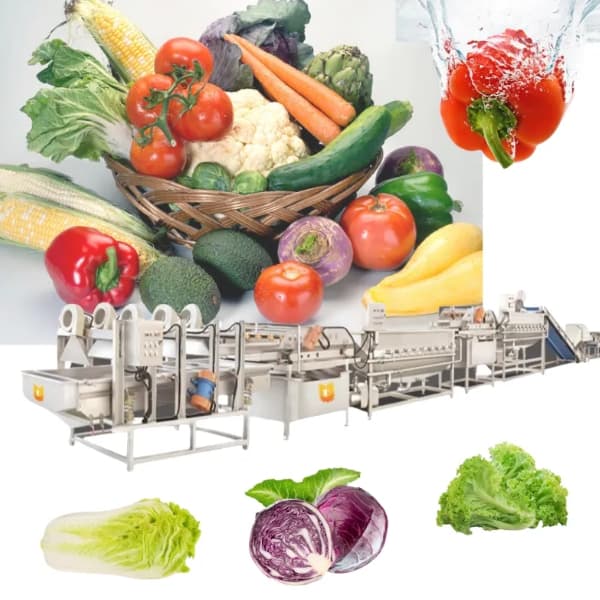
Bei der Fresh-Cut-Verarbeitung wird gewaschen, Peeling, Schneiden, und das Verpacken frischer Produkte unter Beibehaltung eines frischen Aussehens und einer frischen Textur.
Zu den gängigen Produkten gehören::
- Salatgemüse
- Geschnittene Äpfel
- Karotten schneiden
- Kochfertiges Gemüse
Vorteile der Fresh-Cut-Verarbeitung
Fresh-Cut-Produkte erfreuen sich immer größerer Beliebtheit, da sie den Verbrauchern Komfort bieten. Außerdem, Diese Produkte erfordern eine minimale Vorbereitungszeit.
Zu den weiteren Vorteilen zählen::
- Frisches Aussehen
- Kurze Vorbereitungszeit
- Höherer Komfort
- Wachsende Marktnachfrage
Verwendete Hauptausrüstung
Fabriken verwenden normalerweise:
- Blasenwaschmaschinen
- Gemüseschneidemaschinen
- Lufttrocknungssysteme
- Verpackungsmaschinen
Gefrierverarbeitung
Gefrorenes Obst und Gemüse erfreut sich weltweit großer Beliebtheit, da durch das Einfrieren Nährstoffe erhalten bleiben, Farbe, und Textur effektiv.
Zu den typischen Tiefkühlprodukten gehören::
- Gefrorene Erbsen
- Gefrorener Brokkoli
- Gefrorene Mangowürfel
- Gefrorene Pommes frites
IQF-Gefriertechnologie
Individuell schnelles Einfrieren (Iqf) Die Technologie friert Produkte schnell separat ein. Infolge, Produkte kleben nicht zusammen und behalten eine bessere Qualität.
Vorteile der Tiefkühlverarbeitung
Die Tiefkühlverarbeitung bietet mehrere wichtige Vorteile. Zum Beispiel, Tiefkühlprodukte haben eine längere Haltbarkeit und eine ausgezeichnete Transportstabilität.
Weitere Vorteile sind::
- Bessere Frischhaltung
- Bequeme Aufbewahrung
- Starke Exportnachfrage
- Reduzierter Verderb
Hauptausrüstung für Gefrierlinien
Eine Standard-Gefrierlinie kann umfassen:
- Blanchiermaschinen
- Entwässerungsmaschinen
- IQF-Gefrierschränke
- Verpackungssysteme
Trocknung und Austrocknung
Durch das Trocknen wird Obst und Gemüse Feuchtigkeit entzogen, um mikrobielles Wachstum und Verderb zu verhindern. daher, Dehydrierte Produkte können über längere Zeiträume stabil bleiben.
Zu den beliebten Trockenprodukten gehören::
- Getrocknete Mango
- Rosinen
- Knoblauchflocken
- Zwiebelpulver
- Gemüsepulver
Gängige Trocknungsmethoden
Heißlufttrocknung
Die Heißlufttrocknung wird häufig eingesetzt, da sie wirtschaftlich und für die Massenproduktion geeignet ist.
Gefriertrocknung
Gefriertrocknung bewahrt die Produktstruktur und den Nährwert effektiver. Jedoch, die Investitionskosten sind deutlich höher.
Vakuumtrocknung
Vakuumtrocknung wird häufig für Premium-Lebensmittelprodukte mit hohen Qualitätsanforderungen eingesetzt.
Vorteile der Trocknungsverarbeitung
Dehydrierte Produkte bieten viele kommerzielle Vorteile. Insbesondere, Aufgrund des geringeren Gewichts und Volumens sind die Transport- und Lagerkosten deutlich geringer.
Saft- und Getränkeverarbeitung
Die Fruchtsaftverarbeitung ist nach wie vor einer der größten Sektoren der Getränkeindustrie. Darüber hinaus, Die Verbrauchernachfrage nach gesunden Getränken nimmt weltweit weiter zu.
Zu den beliebten Saftprodukten gehören::
- Orangensaft
- Apfelsaft
- Mangosaft
- Gemischter Gemüsesaft
Saftproduktionsprozess
Der typische Produktionsprozess umfasst:
- Waschen
- Sortierung
- Zerquetschen
- Saftgewinnung
- Filtration
- Pasteurisierung
- Abfüllung und Verpackung
Wichtige Saftverarbeitungsausrüstung
Zu den üblichen Geräten gehören::
- Obstbrecher
- Entsafter
- Pasteurisatoren
- Abfüllmaschinen
Konservenverarbeitung
Obst- und Gemüsekonserven bleiben wichtig, da sie ohne Kühlung eine hervorragende Lagerstabilität bieten.
Beispiele hierfür sind:
- Pfirsiche aus der Dose
- Pilze aus der Dose
- Zuckermais in Dosen
- Tomaten aus der Dose
Vorteile des Einmachens
Die Konserventechnologie bietet mehrere Vorteile. Zum Beispiel, Konserven können ihre Qualität über lange Zeiträume stabil halten.
Zu den weiteren Vorteilen zählen::
- Lange Haltbarkeit
- Bequemer Transport
- Reduzierter Verderb
- Einfache Lagerung
Wichtige Anforderungen für das Einmachen
Um die Produktsicherheit zu gewährleisten, Fabriken müssen kontrollieren:
- Sterilisation
- Vakuumversiegelung
- Verpackungshygiene
- Temperaturmanagement
Bratverarbeitung
Frittierte Obst- und Gemüsesnacks erfreuen sich auf internationalen Märkten immer größerer Beliebtheit. daher, Viele Lebensmittelfabriken investieren in automatisierte Frittierproduktionslinien.
Zu den beliebten Produkten gehören:
- Kartoffelchips
- Bananenchips
- Röstzwiebeln
- Gemüsechips
Hauptproduktionsschritte
Der Prozess umfasst im Allgemeinen:
- Waschen
- Peeling
- Schneiden
- Blanchieren
- Braten
- Oilieren
- Würze
- Verpackung
Wichtige Bratausrüstung
Fabriken verwenden häufig:
- Schneidemaschinen
- Durchlauffritteusen
- Entölungssysteme
- Gewürzmaschinen
Komplette Obst- und Gemüseverarbeitungslinie
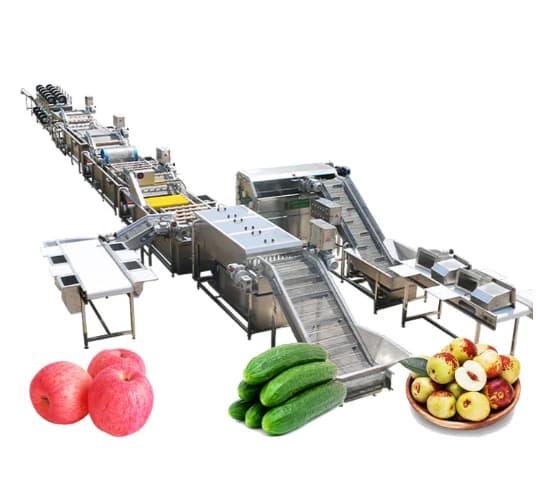
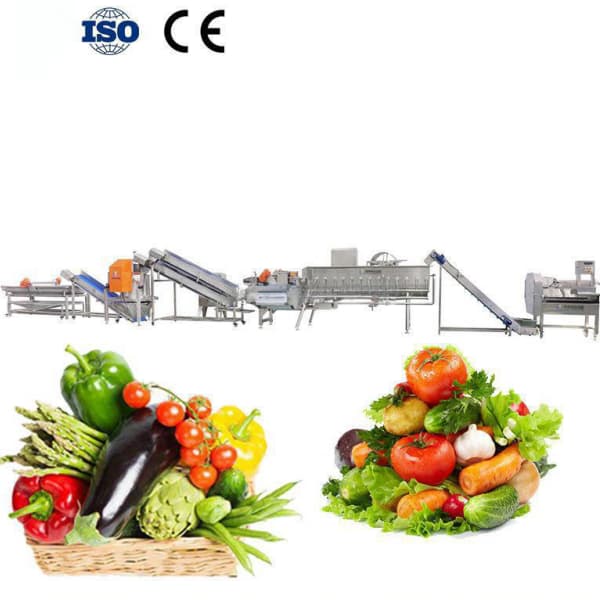
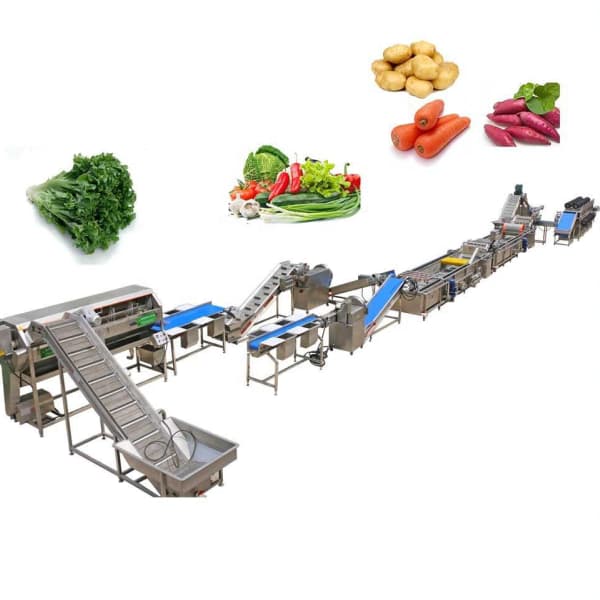
Moderne Lebensmittelfabriken kombinieren meist mehrere Maschinen zu vollautomatischen Verarbeitungssystemen. Folglich, Produktionseffizienz und Produktkonsistenz verbessern sich deutlich.
Rohstoffannahme
Die Fabriken prüfen die eingehenden Produkte zunächst sorgfältig. Typischerweise, Qualitätsprüfer bewerten:
- Frische
- Größe
- Reife
- Oberflächenschaden
- Fremdmaterialien
Hochwertige Rohstoffe sind für die Herstellung hochwertiger Endprodukte unerlässlich.
Waschen und Reinigen
Durch richtiges Waschen werden Verunreinigungen entfernt und die Lebensmittelsicherheit verbessert. Zusätzlich, Eine effektive Reinigung verbessert das Erscheinungsbild des Produkts.
Fabriken entfernen normalerweise:
- Schmutz
- Sand
- Steine
- Rückstände von Pestiziden
- Pflanzenreste
Gemeinsame Waschausrüstung
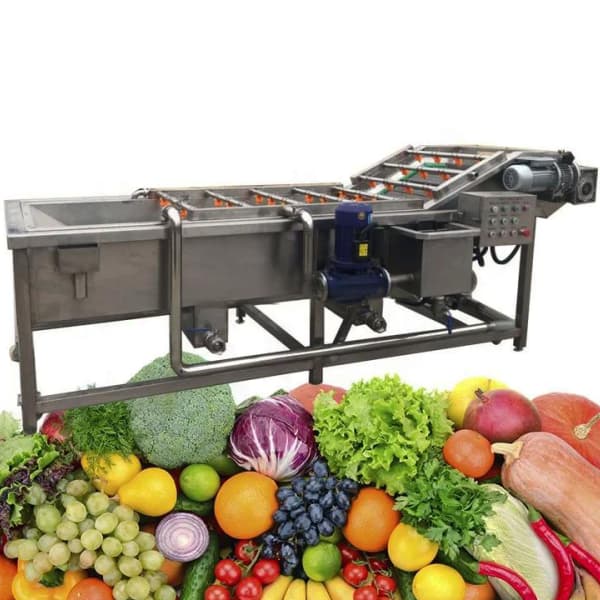
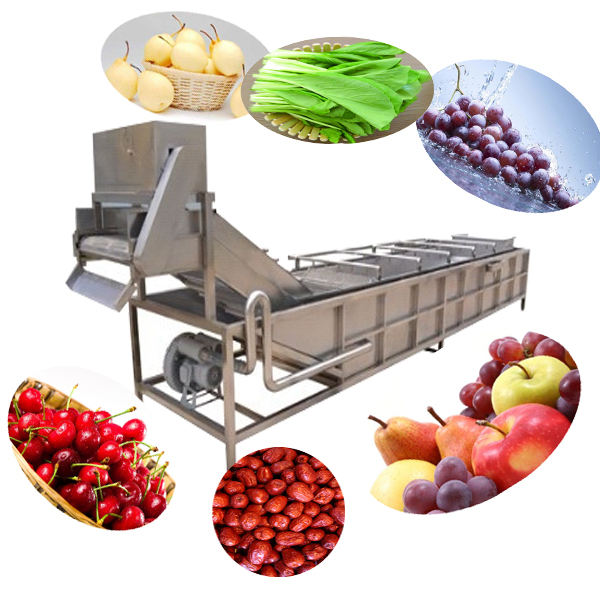
Blasenwaschmaschinen
Diese Maschinen nutzen Luftblasen und Wasserzirkulation für eine schonende Reinigung.
Bürstenwaschmaschinen
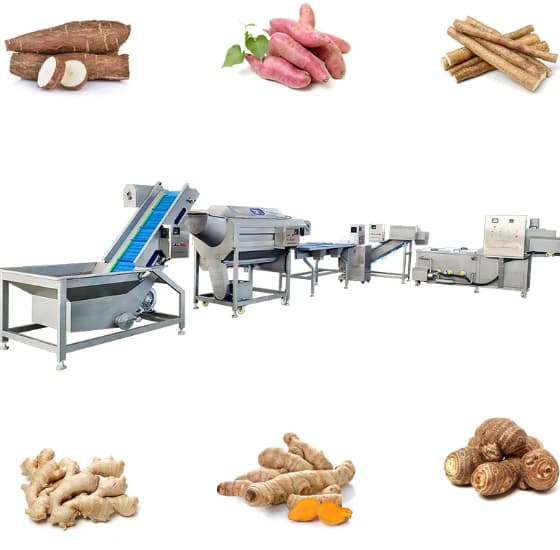
Für Kartoffeln eignen sich Bürstenwascher, Karotten, und Wurzelgemüse.
Sprühwaschanlagen
Sprühwaschanlagen nutzen Hochdruckwassersysteme zur Oberflächenreinigung.
Sortieren und Benoten
Sortiersysteme verbessern die Produktkonsistenz und reduzieren Fehler. Heutzutage, Viele Fabriken nutzen automatisierte optische Sortiertechnologie.
Gängige Sortiermethoden
- Manuelle Sortierung
- Gewichtseinstufung
- Größeneinstufung
- Optische Farbsortierung
Weil KI-Vision-Systeme immer fortschrittlicher werden, Die Sortiergenauigkeit wird kontinuierlich verbessert.
Peeling
Unterschiedliche Obst- und Gemüsesorten erfordern unterschiedliche Schältechnologien.
Gängige Peeling-Methoden
Mechanisches Peeling
Das maschinelle Schälen wird üblicherweise bei Kartoffeln und Karotten eingesetzt.
Dampfpeeling
Dampfschälen bietet eine hohe Effizienz für industrielle Produktionslinien.
Chemisches Peeling
Bei bestimmten Obstverarbeitungsanwendungen kommen chemische Schälverfahren zum Einsatz.
Schneiden und Schneiden
Präzises Schneiden verbessert die Gleichmäßigkeit und das endgültige Erscheinungsbild des Produkts. Außerdem, Durch gleichmäßiges Schneiden wird die Koch- und Gefrierleistung verbessert.
Schnittarten
- Würfeln
- Schneiden
- Würfeln
- Zerkleinern
- Streifenschneiden
Moderne Schneidemaschinen bieten anpassbare Größen und schnelle Verarbeitungsmöglichkeiten.
Blanchieren
Beim Blanchieren wird Dampf oder heißes Wasser verwendet, um die Produktstabilität vor dem Einfrieren oder Trocknen zu verbessern.
Dieser Prozess hilft:
- Enzyme inaktivieren
- Farbe bewahren
- Textur verbessern
- Bakterien reduzieren
daher, Blanchieren ist in vielen Produktionslinien ein wesentlicher Schritt.
Trocknen oder Braten
Abhängig vom Endprodukt, Fabriken können Trockner verwenden, Fritteusen, Gefriertrockner, oder Vakuumfritteusen. In der Zwischenzeit, Energieeffizienz ist in diesen Betrieben immer wichtiger geworden.
Verpackung
Die Verpackung schützt die Lebensmittelqualität und verlängert die Haltbarkeit. Darüber hinaus, Eine attraktive Verpackung verbessert die Wettbewerbsfähigkeit am Markt.
Gängige Verpackungsarten
- Vakuumbeutel
- Kissenbeutel
- Kunststoffschalen
- Standbodenbeutel
- Metalldosen
Fortschrittliche Verpackungstechnologien
Moderne Fabriken verwenden häufig:
- Vakuumversiegelung
- Stickstoffspülung
- Verpackung mit modifizierter Atmosphäre
Wichtige Obst- und Gemüseverarbeitungsgeräte
Waschmaschinen
Moderne Waschsysteme verbessern die Reinigungseffizienz und minimieren gleichzeitig Produktschäden.
Hauptmerkmale
- Edelstahlkonstruktion
- Wasserrecyclingsysteme
- Einstellbare Geschwindigkeitsregelung
- Automatische Filterung
Sortiermaschinen
Optische Sortiersysteme nutzen Kameras und Sensoren, um fehlerhafte Produkte automatisch zu erkennen.
Hauptvorteile
- Reduzierte Arbeitskosten
- Höhere Sortiergenauigkeit
- Bessere Produktkonsistenz
Industrieschneider
Hochgeschwindigkeitsschneidemaschinen verarbeiten große Produktionsmengen effizient.
Typische Anwendungen
- Pommes frites
- Gemüsewürfel
- Fruchtscheiben
- Salatzutaten
Blanchiermaschinen
Industrielle Blanchierer bieten eine stabile Temperaturkontrolle für eine gleichbleibende Verarbeitungsqualität.
Häufige Typen
- Kontinuierliche Blanchierer
- Dampfblanchierer
- Heißwasserblanchierer
Trocknungsmaschinen
Trockner sind für die Herstellung dehydrierter Lebensmittel unerlässlich.
Beliebte Trocknertypen
- Bandtrockner
- Tabletttrockner
- Vakuumtrockner
- Gefriertrockner
Industrielle Fritteusen
Kontinuierliche Friteusen werden häufig in Produktionslinien für Snacks eingesetzt.
Hauptmerkmale
- Automatische Temperaturregelung
- Ölfiltrationssysteme
- Kontinuierliche Fütterung
- Energiesparendes Design
Gefriergeräte
IQF-Gefriergeräte gefrieren Produkte schnell und behalten dabei Qualität und Aussehen bei.
Hauptvorteile
- Bessere Textur
- Verbessertes Erscheinungsbild
- Längere Haltbarkeit
Lebensmittelsicherheit in der Obst- und Gemüseverarbeitung
Lebensmittelsicherheit ist für jede Lebensmittelfabrik äußerst wichtig. daher, Verarbeitungsbetriebe müssen strenge internationale Standards einhalten.
HACCP-System
Gefahrenanalyse und kritische Kontrollpunkte (Haccp) hilft Fabriken, Lebensmittelsicherheitsrisiken effektiv zu erkennen und zu kontrollieren.
Kritische Kontrollbereiche
- Rohstoffinspektion
- Waschqualität
- Temperaturkontrolle
- Metalldetektion
- Verpackungshygiene
GMP-Standards
Gute Herstellungspraktiken sorgen für hygienische Produktionsumgebungen.
GMP-Anforderungen
- Saubere Einrichtungen
- Mitarbeiterhygiene
- Schädlingsbekämpfung
- Hygiene der Ausrüstung
Edelstahlausrüstung
Edelstahl in Lebensmittelqualität wird häufig verwendet, da er Korrosion widersteht und Verunreinigungen verhindert. Zusätzlich, Edelstahlgeräte sind leicht zu reinigen und zu warten.
304 Besonders häufig kommt Edelstahl in Lebensmittelfabriken zum Einsatz.
Automatisierung in modernen Lebensmittelfabriken
Die Automatisierung verändert die Obst- und Gemüseverarbeitungsindustrie weltweit.
Vorteile der Automatisierung
Niedrigere Arbeitskosten
Automatisierte Produktionslinien verringern die Abhängigkeit von manueller Arbeit.
Höhere Produktionseffizienz
Maschinen können kontinuierlich mit stabiler Leistung arbeiten.
Bessere Produktkonsistenz
Die Automatisierung verbessert die Größengleichmäßigkeit und die Qualitätskontrolle.
Reduzierte Lebensmittelverschwendung
Eine sorgfältige Verarbeitung minimiert Rohstoffverluste.
Intelligente Fabriktechnologien
Moderne Fabriken setzen zunehmend fortschrittliche Technologien ein, wie z:
- SPS-Steuerungssysteme
- Touchscreen-Schnittstellen
- KI-Sichtprüfung
- Roboterverpackung
- IoT-Überwachungssysteme
Infolge, Das Produktionsmanagement wird effizienter und zuverlässiger.
Energieeffizienz in Verarbeitungsanlagen
Die Energiekosten bleiben für Lebensmittelhersteller ein großes Problem. Folglich, Fabriken investieren in energiesparende Technologien.
Energiesparende Lösungen
Wärmerückgewinnungssysteme
Diese Systeme gewinnen Wärme aus Fritteusen oder Trocknern zur Wiederverwendung zurück.
Frequenzumrichter
Frequenzumrichter reduzieren den Stromverbrauch von Motoren.
Isolierte Ausrüstung
Die Isolierung verbessert die thermische Effizienz und reduziert den Energieverlust.
Wasserrecyclingsysteme
Wasserrecyclingsysteme tragen dazu bei, den Wasserverbrauch beim Waschen zu reduzieren.
Nachhaltige Produktion entwickelt sich zu einem großen Wettbewerbsvorteil in der globalen Lebensmittelindustrie.
Beliebte Obst- und Gemüseprodukte für Lebensmittelfabriken
Kartoffelprodukte
Kartoffeln gehören zu den am meisten verarbeiteten Gemüsesorten weltweit.
Gängige Kartoffelprodukte
- Pommes frites
- Kartoffelchips
- Kartoffelflocken
- Gefrorene Kartoffeln
Tomatenprodukte
Tomaten werden häufig verarbeitet:
- Tomatenpaste
- Ketchup
- Tomatensauce
- Püree
Zwiebel- und Knoblauchprodukte
Beliebte Zwiebel- und Knoblauchprodukte sind unter anderem:
- Röstzwiebeln
- Knoblauchpulver
- Zwiebelflocken
- Knoblauchpaste
Mango-Produkte
Die Mangoverarbeitung umfasst:
- Mangopüree
- Getrocknete Mango
- Gefrorene Mangowürfel
- Mangosaft
Apple-Produkte
Äpfel werden üblicherweise zu Äpfeln verarbeitet:
- Saft
- Getrocknete Snacks
- Apfelmus
- Gefrorene Scheiben
Herausforderungen bei der Obst- und Gemüseverarbeitung
Saisonale Rohstoffversorgung
Fabriken müssen Schwankungen in der Erntesaison und der Rohstoffverfügbarkeit bewältigen.
Haltbarkeit des Produkts
Die Aufrechterhaltung der Frische und des Nährwerts bleibt eine große Herausforderung.
Steigende Arbeitskosten
Denn die Arbeitskosten steigen weiter, Automatisierung wird immer wichtiger.
Vorschriften zur Lebensmittelsicherheit
Fabriken müssen strenge internationale Lebensmittelsicherheitsstandards einhalten.
Energieverbrauch
Verarbeitungsanlagen verbrauchen erhebliche Mengen an Strom und Wärmeenergie.
Zukünftige Trends in der Obst- und Gemüseverarbeitung
Erhöhte Automatisierung
KI und Robotik werden weiterhin manuelle Abläufe in Lebensmittelfabriken ersetzen.
Nachfrage nach gesunden Snacks
Verbraucher bevorzugen zunehmend natürliche Obst- und Gemüsesnacks.
Nachhaltige Fertigung
Fabriken investieren in:
- Erneuerbare Energie
- Wasserrecycling
- Umweltfreundliche Verpackung
Intelligente Fertigung
Digitale Fabriken mit Echtzeitüberwachungssystemen werden immer häufiger eingesetzt.
Pflanzenbasiertes Lebensmittelwachstum
Verarbeitete pflanzliche Zutaten werden zunehmend in pflanzlichen Lebensmitteln verwendet.
So wählen Sie Obst- und Gemüseverarbeitungsgeräte aus
Lebensmittelfabriken sollten vor dem Kauf von Maschinen mehrere Faktoren bewerten.
Produktionskapazität
Fabriken sollten Geräte auswählen, die den täglichen Produktionsanforderungen entsprechen.
Produkttyp
Unterschiedliche Produkte erfordern spezielle Verarbeitungstechnologien.
Automatisierungsstufe
Hersteller sollten Arbeitseinsparungen mit Investitionskosten in Einklang bringen.
Materialqualität
Geräte aus lebensmittelechtem Edelstahl sind für Hygiene und Haltbarkeit unerlässlich.
After-Sales-Service
Zuverlässiger technischer Support ist für die industrielle Produktion von entscheidender Bedeutung.
Energieverbrauch
Energieeffiziente Maschinen tragen dazu bei, die Betriebskosten langfristig zu senken.
Vorteile einer Investition in moderne Verarbeitungslinien
Moderne Verarbeitungssysteme helfen Fabriken:
- Steigern Sie die Produktivität
- Verbessern Sie die Lebensmittelsicherheit
- Reduzieren Sie die Arbeitskosten
- Verbessern Sie die Produktqualität
- Exportmöglichkeiten erweitern
- Verbessern Sie die Rentabilität
daher, Fabriken, die fortschrittliche Automatisierung nutzen, erzielen häufig eine stärkere Wettbewerbsfähigkeit auf dem Markt.
Obst- und Gemüseverarbeitung- DT-Lebensmittelmaschine
Die Obst- und Gemüseverarbeitung ist zu einem der wichtigsten Sektoren der modernen Lebensmittelherstellung geworden. Als weltweite Nachfrage nach Komfort, gesund, und Lebensmittel mit langer Haltbarkeit nehmen weiter zu, Lebensmittelfabriken müssen effiziente und hygienische Verarbeitungstechnologien einführen, um wettbewerbsfähig zu bleiben.
Vom Waschen und Sortieren bis zum Einfrieren, Trocknen, Braten, und Verpackung, Jeder Verarbeitungsschritt spielt eine entscheidende Rolle für die Lebensmittelsicherheit und Produktqualität. Außerdem, Moderne automatisierte Produktionslinien helfen Fabriken, ihre Effizienz zu steigern, Abfall reduzieren, niedrigere Arbeitskosten, und einheitliche Produktionsstandards zu erreichen.
In den kommenden Jahren, Intelligente Automatisierung, nachhaltige Herstellung, und energieeffiziente Technologien werden die Obst- und Gemüseverarbeitungsindustrie weiterhin prägen. Folglich, Lebensmittelfabriken, die in fortschrittliche Verarbeitungsausrüstung und moderne Produktionssysteme investieren, sind besser für langfristiges Wachstum und internationalen Markterfolg aufgestellt.