
دليل كامل لتكنولوجيا القلي الحديثة في درجات الحرارة المنخفضة
عندما تفكر في الطعام المقلي, ربما تتصور الزيت الساخن, الأصوات الأزيز, والانتهاء دهني. ولكن ماذا لو كانت هناك طريقة للحصول على نفس المقرمشة؟, ملمس لذيذ مع زيت أقل بكثير وطعم أفضل? هذا هو بالضبط ما يمكن أن تفعله آلة المقلاة الفراغية التجارية. تعمل هذه التكنولوجيا على تغيير الطريقة التي يصنع بها مصنعو المواد الغذائية الوجبات الخفيفة مثل رقائق الموز, رقائق الخضار, وحتى وجبات اللحوم الخفيفة. في هذه المقالة, سوف نستكشف ما هي المقلاة الكهربائية, كيف تعمل, ولماذا هو أفضل من القلي التقليدي, وكيف تستخدمها الشركات لإنشاء منتجات أكثر صحة, منتجات ألذ.
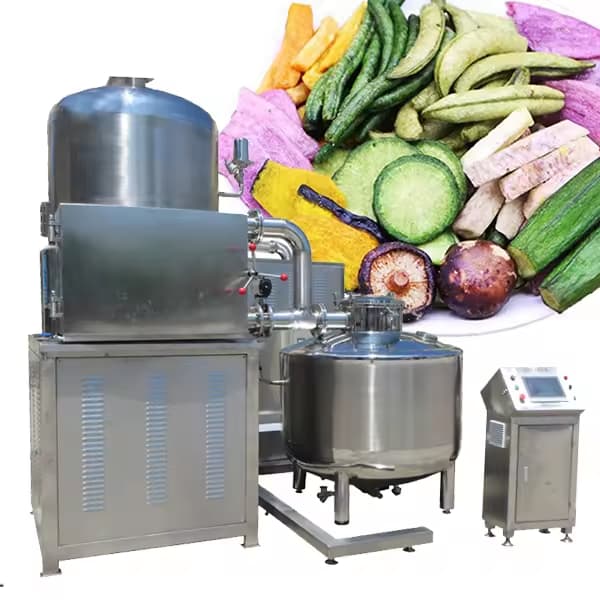
ما هي آلة المقلاة الفراغية?
المقلاة الكهربائية هي نوع خاص من معدات القلي التي تقوم بطهي الطعام تحت ضغط منخفض. على عكس المقالي العميقة العادية التي تقوم بقلي الطعام في الهواء الطلق, تقوم المقلاة الكهربائية بإزالة الهواء من حجرة القلي لخلق بيئة شبه فراغية. وهذا يغير كيفية عمل عملية القلي بعدة طرق مهمة.
الفكرة الأساسية بسيطة: عند خفض ضغط الهواء حول الطعام, كما تنخفض درجة غليان الماء والزيت. وهذا يعني أنه يمكنك قلي الطعام في درجات حرارة أقل بكثير - عادة ما بين 80 درجة مئوية و120 درجة مئوية - مقارنة بالقلي التقليدي, والذي غالبًا ما يستخدم درجات حرارة أعلى من 180 درجة مئوية.
هناك نوعان رئيسيان من المقالي الفراغية المستخدمة في البيئات التجارية. النوع الأول هوالمقلاة الفراغية المتقطعة أو الدفعية. تعمل هذه الآلات في دورات. يمكنك تحميل دفعة من الطعام, اقليها تحت فراغ, ثم قم بإزالته قبل بدء الدفعة التالية. تعتبر المقالي المجمعة رائعة للعمليات الصغيرة وللشركات التي ترغب في معالجة أنواع مختلفة من الطعام على مدار اليوم.
النوع الثاني هو المقلاة فراغ المستمر. هذه الآلات الكبيرة تعمل بدون توقف. يدخل الطعام من جهة ويخرج من الجهة الأخرى, دون الحاجة للتوقف للتحميل والتفريغ. تعتبر المقالي المستمرة مثالية لمصنعي المواد الغذائية الكبار الذين يحتاجون إلى إنتاج كميات كبيرة من الوجبات الخفيفة كل يوم. يمكن لبعض النماذج المستمرة معالجة ما يصل إلى 1,100 كيلوغرام من الطعام في الساعة.
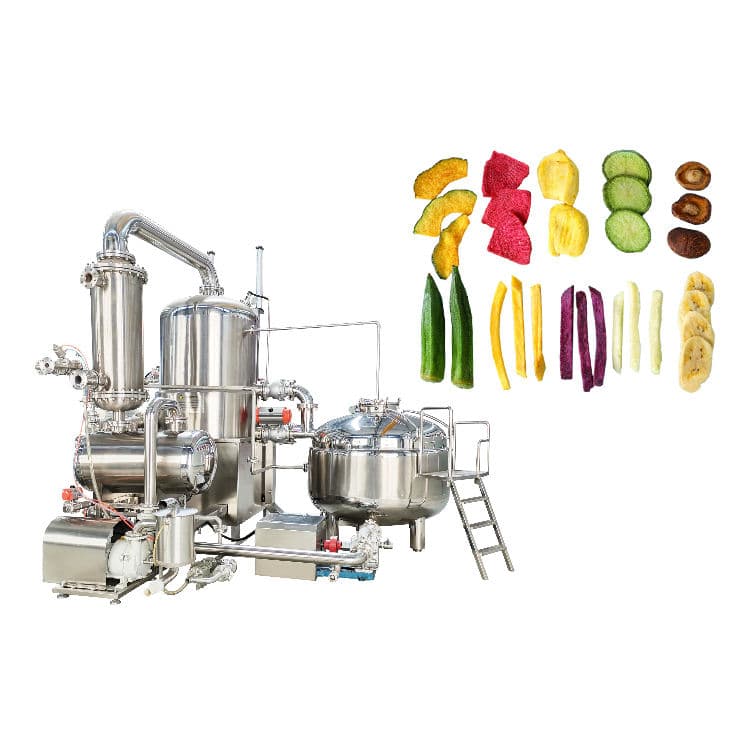
كيف تعمل المقلاة الكهربائية?
إن فهم كيفية عمل المقلاة الكهربائية أسهل مما تعتقد. دعونا نقسمها إلى خطوات بسيطة.
خطوة 1: خلق الفراغ. تقوم الآلة أولاً بضخ الهواء من غرفة القلي المغلقة. وهذا يقلل من الضغط في الداخل إلى ما يقرب من الصفر. يمكن لبعض الآلات التجارية تحقيق مستوى فراغ منخفض يصل إلى -0.1 MPA, وهو قريب جدًا من الفراغ المثالي.
خطوة 2: تسخين الزيت. بينما يتم خلق الفراغ, يتم تسخين الزيت إلى درجة الحرارة المطلوبة. لأن الضغط منخفض, لا يحتاج الزيت إلى أن يصبح ساخنًا جدًا. تتم معظم عمليات القلي الفراغي عند درجات حرارة تتراوح بين 80 درجة مئوية و120 درجة مئوية.
خطوة 3: قلي الطعام. يتم إنزال الطعام في الزيت الساخن داخل غرفة التفريغ. يبدأ الماء الموجود داخل الطعام بالتحول إلى بخار بسرعة كبيرة. ولكن هنا هو الجزء المهم: تحت فراغ, يهرب هذا البخار بسرعة من الطعام. كما يندفع الماء خارجا, فهو يخلق مسام ومساحات صغيرة داخل الطعام. وهذا ما يمنح الوجبات الخفيفة المقلية بالفراغ الضوء, متموج, نسيج مقدد.
خطوة 4: إزالة الزيت الزائد. بعد القلي, تحتوي العديد من المقالي الفراغية على آلية دوران مدمجة (تسمى وحدة إزالة الزيوت) التي تدور الطعام لإزالة أي زيت إضافي من السطح. تعمل هذه الخطوة على تقليل محتوى الزيت النهائي للمنتج.
خطوة 5: جمع وتصفية النفط. تحتوي الماكينة أيضًا على أنظمة لتصفية الزيت وإعادة تدويره. يؤدي ذلك إلى الحفاظ على نظافة الزيت وإطالة المدة التي يمكن استخدامه فيها قبل الحاجة إلى استبداله.
تتم كل هذه الخطوات داخل غرفة مغلقة من الفولاذ المقاوم للصدأ. معظم المقالي التجارية الحديثة مؤتمتة بالكامل, مع أدوات تحكم تعمل باللمس تتيح للمشغلين ضبط مستويات درجة الحرارة والضغط الدقيقة لأنواع مختلفة من الطعام.
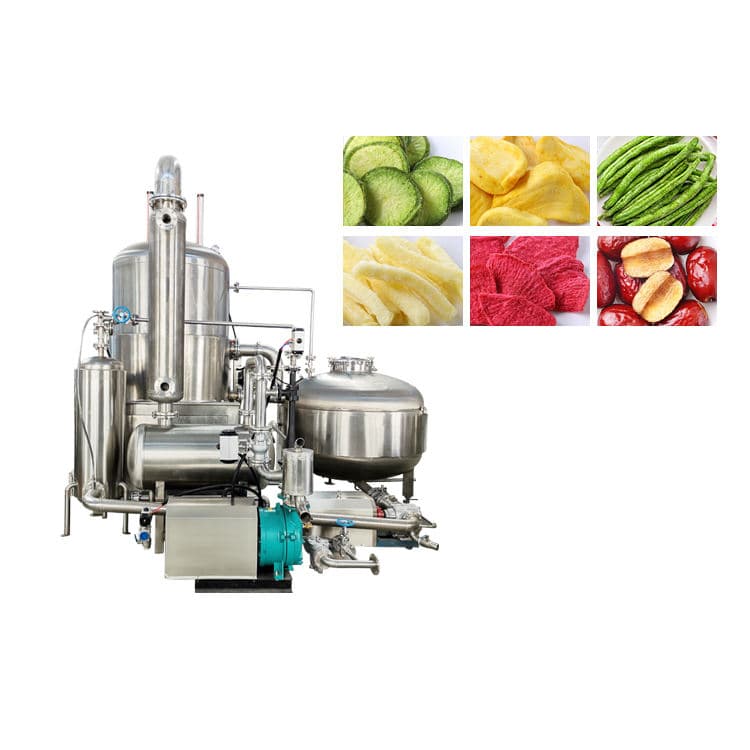
لماذا تختار المقلاة الكهربائية؟? الفوائد الرئيسية
يوفر القلي الفراغي العديد من المزايا مقارنة بالقلي التقليدي. دعونا نلقي نظرة على أهمها.
1. كمية زيت أقل بكثير في طعامك
وهذا هو السبب الأكبر وراء تحول شركات الأغذية إلى القلي الفراغي. لأن الطعام ينضج بسرعة في درجات حرارة منخفضة ثم يتم عصره لإزالة الزيت الزائد, يحتوي المنتج النهائي على كمية زيت أقل بكثير من الوجبات الخفيفة المقلية التقليدية. أظهرت الدراسات أن القلي الفراغي يمكن أن يقلل من امتصاص الزيت 30% ل 50% مقارنة بالقلي العميق العادي. يمكن لبعض الآلات أيضًا خفض محتوى الزيت بنسبة تصل إلى 40%. وهذا يعني وجبات خفيفة صحية ذات مذاق رائع.
2. يحافظ على اللون والنكهة الطبيعية
هل سبق لك أن لاحظت كيف تتحول بعض الفواكه والخضروات المقلية إلى اللون البني أو تفقد ألوانها الزاهية? وذلك لأن الأكسدة تحدث عندما يتعرض الطعام للهواء عند درجات حرارة عالية. القلي الفراغي يحل هذه المشكلة. عن طريق إزالة الأكسجين من غرفة القلي, تمنع الآلة الطعام من التحول إلى اللون البني أو فقدان لونه الطبيعي. والنتيجة هي وجبات خفيفة تبدو جميلة وطعمها طازج, مع النكهة الحقيقية للفواكه أو الخضار المحفوظة.
3. يقلل من المركبات الضارة
عندما يتم قلي الأطعمة مثل البطاطس في درجات حرارة عالية جدًا, يمكن أن تتشكل مادة كيميائية تسمى الأكريلاميد. تعتبر مادة الأكريلاميد خطرا محتملا على الصحة. القلي الفراغي يقلل بشكل كبير من تكوين مادة الأكريلاميد لأن درجة حرارة القلي أقل بكثير. تشير بعض الدراسات إلى أن المنتجات المقلية بالفراغ تحتوي على القليل من مادة الأكريلاميد أو لا تحتوي عليها على الإطلاق.
4. يحافظ على الزيت طازجًا لفترة أطول
في القلي التقليدي, حيث يتحلل الزيت بسرعة بسبب تعرضه للحرارة العالية والأكسجين. وهذا يجبر المطاعم والمصانع على تغيير زيتها بشكل متكرر, الذي يكلف المال. في المقلاة الكهربائية, لا يتعرض الزيت للأكسجين, وتكون درجة الحرارة أقل. وهذا يعني أن الزيت يبقى طازجًا وصالحًا للاستخدام لفترات أطول بكثير. تشير بعض الشركات المصنعة إلى أن زيتها يدوم لفترة أطول مرتين إلى ثلاث مرات من المقالي التقليدية.
5. مدة صلاحية أطول للمنتجات
الوجبات الخفيفة المقلية بالفراغ تبقى طازجة لفترة أطول من تلك المقلية التقليدية. لأنها تحتوي على كمية أقل من الزيت وتمت معالجتها في بيئة منخفضة الأكسجين, هم أقل عرضة للفساد أو الفساد. وهذا يجعلها مثالية للتغليف والبيع في المتاجر.
6. أفضل للبيئة
تعتبر المقالي المفرغة أيضًا أكثر صداقة للبيئة. فهي تستخدم طاقة أقل من المقالي التقليدية لأن الزيت لا يحتاج إلى تسخين عالي. كما أنها تنتج أبخرة وروائح زيتية أقل في المصنع. تحتوي بعض الآلات على أنظمة فصل الزيت عن الماء التي تقلل من النفايات وتساعد في إعادة تدوير الموارد.
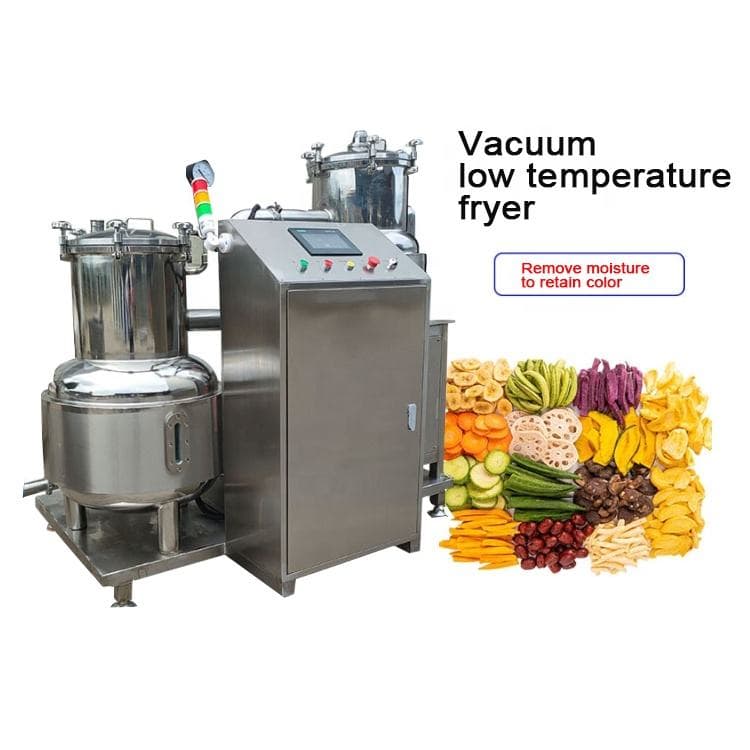
ماذا يمكنك أن تصنع بالمقلاة الكهربائية؟?
أحد أفضل الأشياء في مقالي التفريغ التجارية هو مدى تنوعها. يمكنك قلي أي شيء تقريبًا. وهنا بعض الأمثلة فقط:
الفواكه: رقائق الموز, رقائق الجاك فروت, رقائق التفاح, رقائق المانجو, شرائح الأناناس, ورقائق الفراولة
خضار: رقائق البطاطس, رقائق البطاطا الحلوة, رقائق القلقاس, رقائق الجزر, رقائق البامية, رقائق اليقطين, رقائق اللفت, حلقات البصل, ورقائق البنجر
اللحوم والمأكولات البحرية: رقائق الدجاج, جلود الأسماك, الروبيان, ووجبات خفيفة من اللحوم الخالية من الدهون
المكسرات: الفول السوداني, اللوز, وغيرها من الوجبات الخفيفة القائمة على الجوز
عناصر أخرى: وجبات خفيفة التوفو, رقائق الفطر, وحتى الوجبات الخفيفة القائمة على المعكرونة
كما ترون, الاحتمالات لا حصر لها تقريبا. وهذا يجعل المقالي المفرغة من الهواء استثمارًا رائعًا لأي شركة ترغب في إنشاء مجموعة واسعة من منتجات الوجبات الخفيفة.
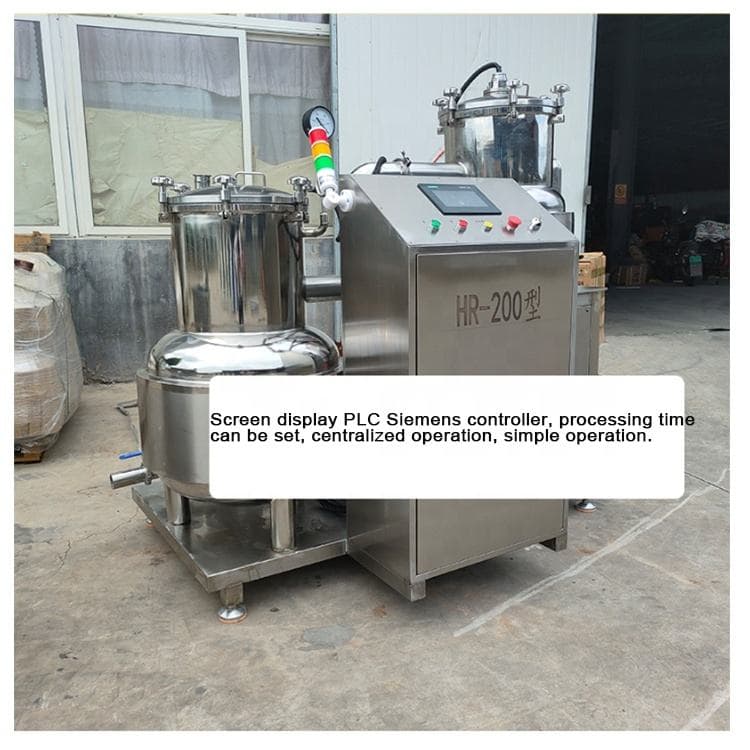
دفعة مقابل. قلايات فراغ مستمرة: أيهما مناسب لك?
إذا كنت تفكر في شراء مقلاة فراغ تجارية, أحد القرارات الأولى التي يتعين عليك اتخاذها هو اختيار مقلاة دفعة واحدة أو مقلاة مستمرة. كلاهما لديه نقاط القوة الخاصة بهم.
حزمة (متقطع) مقالي فراغ العمل عن طريق تجهيز دفعة واحدة من الطعام في كل مرة. قمت بتحميل الطعام, أغلق الغرفة, اقليها, ومن ثم تفريغها قبل بدء الدفعة التالية. هذه الآلات عادة ما تكون أصغر حجما وأقل تكلفة. فهي مثالية للشركات الصغيرة والمتوسطة الحجم, المطاعم, الفنادق, والشركات الناشئة الغذائية. قد تتم معالجة المقلاة الدفعية النموذجية 80 ل 120 كيلوغرام من الطعام في الدورة الواحدة. الميزة الرئيسية هي المرونة، حيث يمكنك التبديل بسهولة بين أنواع مختلفة من المنتجات دون إضاعة الوقت أو الزيت.
قلايات فراغ مستمرة تشغيل دون توقف. يتم إدخال الطعام في أحد طرفي الماكينة ويخرج من الطرف الآخر مقليًا وجاهزًا للتغليف. هذه الآلات أكبر بكثير وأكثر تكلفة, لكن يمكنهم معالجة كميات هائلة من الطعام. يمكن لبعض النماذج المستمرة التعامل مع ما يصل إلى 1,100 كيلوغراما في الساعة. إنها الأفضل لمصانع الأغذية الكبيرة التي تنتج نفس المنتجات طوال اليوم. الميزة الرئيسية هي الكفاءة، حيث تحصل على المزيد من المنتجات بعمالة أقل ووقت توقف أقل.
إليك طريقة بسيطة للتفكير في الأمر: إذا كنت تدير مشروعًا صغيرًا للوجبات الخفيفة أو مطعمًا, ربما تكون المقلاة المجمعة هي خيارك الأفضل. إذا كنت شركة تصنيع أغذية كبيرة تنتج الملايين من أكياس الوجبات الخفيفة كل عام, من المحتمل أنك ستحتاج إلى مقلاة مستمرة.
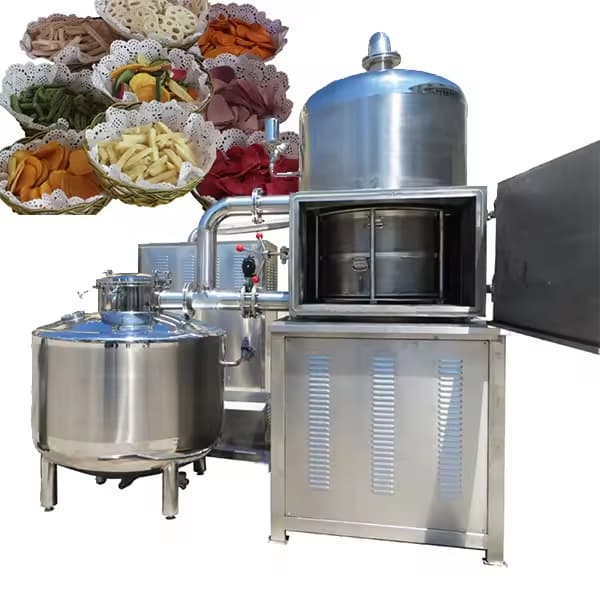
الميزات الرئيسية للبحث عنها
عند التسوق لشراء مقلاة كهربائية تجارية, فيما يلي بعض الميزات المهمة التي يجب مراعاتها:
هيكل من الفولاذ المقاوم للصدأ. ابحث عن الآلات المصنوعة من المواد الغذائية 304 الفولاذ المقاوم للصدأ. هذه المادة متينة, سهل التنظيف, ويقاوم الصدأ والتآكل. كما أنها صحية وتلبي معايير سلامة الأغذية.
الضوابط الآلية. المقالي الفراغية الحديثة تأتي مع PLC (وحدة تحكم منطقية قابلة للبرمجة) أنظمة شاشات اللمس. يتيح لك ذلك ضبط برامج القلي وحفظها لمنتجات مختلفة. يمكنك ضبط درجة الحرارة, ضغط الفراغ, وقت القلي, وسرعة الدوران ببضع نقرات فقط. تساعد الأتمتة أيضًا على ضمان الجودة المتسقة من دفعة إلى أخرى.
ترشيح الزيت المدمج. يجب أن تحتوي المقلاة الكهربائية الجيدة على نظام تنقية الزيت الذي يزيل جزيئات الطعام ويحافظ على نظافة الزيت. يؤدي ذلك إلى إطالة عمر الزيت وتحسين جودة المنتج.
نظام إزالة الزيوت. تعتبر آلية العصر التي تزيل الزيت الزائد من المنتجات المقلية ضرورية لتحقيق محتوى منخفض من الزيت. تأكد من أن الماكينة التي تختارها تحتوي على وحدة موثوقة لإزالة الزيوت مع إعدادات سرعة قابلة للتعديل.
ميزات السلامة. ابحث عن أزرار التوقف في حالات الطوارئ, حماية التسرب, أنظمة الاغلاق التلقائي, وصمامات تخفيف الضغط. تعمل هذه الميزات على حماية كل من المشغل والمعدات.
سهولة الصيانة. اختر آلة سهلة التنظيف والصيانة. تم تصميم بعض الطرز بحيث تحتوي على فجوات كبيرة بين الأجزاء والمكونات القابلة للإزالة لجعل عملية التنظيف أسرع وأسهل.
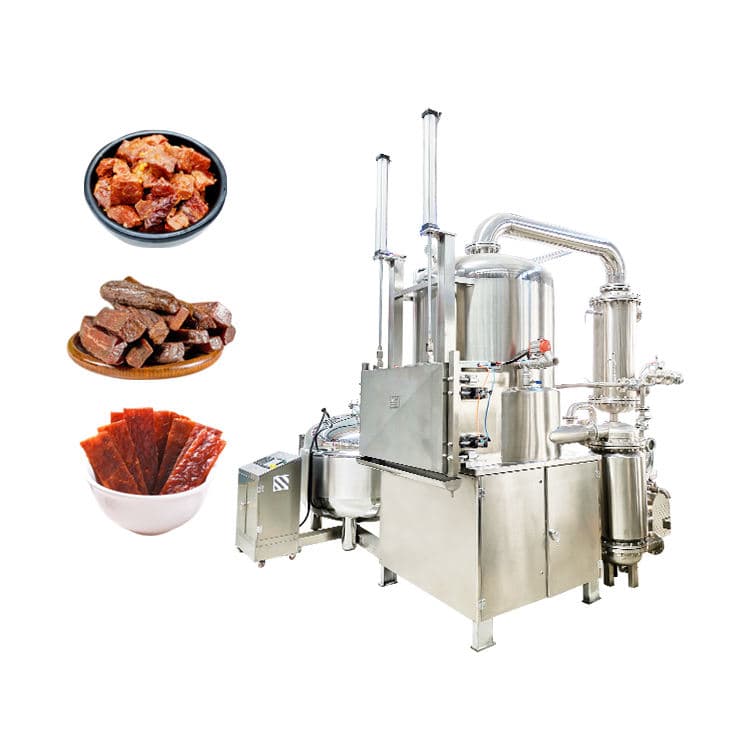
السوق المتنامي للمقالي الفراغية
يتزايد الطلب على خيارات الوجبات الخفيفة الصحية في جميع أنحاء العالم. أصبح المستهلكون اليوم أكثر وعيًا بالصحة من أي وقت مضى. إنهم يريدون وجبات خفيفة ذات مذاق جيد ولكنها ليست محملة بالدهون والمكونات الاصطناعية. وهذا يقود النمو القوي في سوق المقلاة الفراغية.
وفقا لأبحاث السوق, تم تقييم سوق آلات المقلاة الفراغية العالمية بحوالي دولار أمريكي 1.3 مليار في 2024. ويتوقع الخبراء أن يصل إلى الدولار 2.7 مليار من قبل 2032, ينمو بمعدل حوالي 9.35% كل عام. وتتوقع دراسات أخرى نموا مماثلا, مع الزيادات السنوية بين 6.5% و 7.3% من 2026 ل 2033.
الأسواق الأسرع نمواً موجودة في منطقة آسيا والمحيط الهادئ, حيث يؤدي التوسع الصناعي وارتفاع الإنفاق الاستهلاكي إلى زيادة الطلب. تمتلك أمريكا الشمالية وأوروبا حاليًا أكبر حصص السوق, ولكن آسيا تلحق بالركب بسرعة.
وهذا النمو مدفوع بعدة عوامل. أولاً, يبحث المزيد من الأشخاص عن وجبات خفيفة نظيفة مصنوعة من مكونات حقيقية. ثانية, تشجع الحكومات والمنظمات الصحية شركات الأغذية على تقليل الزيوت والمركبات الضارة مثل مادة الأكريلاميد في منتجاتها. ثالث, التكنولوجيا نفسها آخذة في التحسن, مع ميزات جديدة مثل أنظمة استعادة الطاقة وأدوات التحكم التي تعمل بالذكاء الاصطناعي، مما يجعل المقالي الكهربائية أكثر كفاءة وأسهل في الاستخدام.
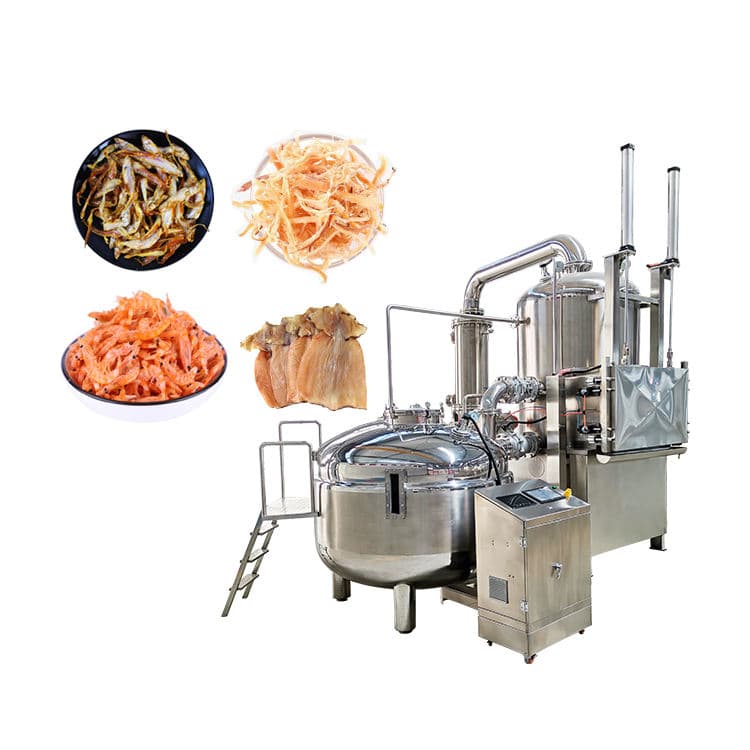
التحديات للنظر فيها
بينما توفر المقالي الفراغية العديد من الفوائد, فهي ليست مثالية لكل حالة. فيما يلي بعض التحديات التي يجب وضعها في الاعتبار:
التكلفة الأولية العالية. المقالي الكهربائية التجارية غالية الثمن. يمكن أن تكلف آلة الدفعات الجيدة عشرات الآلاف من الدولارات, في حين أن الأنظمة المستمرة يمكن أن تكلف أكثر من ذلك بكثير. يمكن أن يكون هذا عائقًا أمام الشركات الصغيرة أو الشركات الناشئة.
استهلاك الطاقة. تستخدم المقالي الفراغية المضخات وأنظمة التدفئة التي تتطلب قدرًا لا بأس به من الكهرباء. لكن, أصبحت النماذج الأحدث أكثر كفاءة في استخدام الطاقة, وتساعد درجات حرارة القلي المنخفضة على تعويض بعض تكاليف الطاقة.
تدريب المشغلين. لأن المقالي الفراغية أكثر تعقيدًا من المقالي التقليدية, يحتاج المشغلون إلى التدريب المناسب لاستخدامها بأمان وفعالية. والخبر السار هو أن معظم الآلات الحديثة تأتي مزودة بعناصر تحكم سهلة الاستخدام تعمل باللمس مما يجعل التدريب أسهل.
أوقات الدفعات أبطأ. اعتمادا على المنتج, قد تستغرق مجموعة من الطعام 45 ل 90 دقيقة للقلي في المقلاة الكهربائية. وهذا أبطأ من القلي التقليدي. لكن, غالبًا ما تجعل الجودة العالية والفوائد الصحية للمنتج النهائي الوقت الإضافي جديرًا بالاهتمام.
مستقبل القلي الفراغي
ماذا يخبئ المستقبل للمقالي الفراغية التجارية؟? التوقعات مشرقة جدا. يعمل المصنعون باستمرار على تحسين التكنولوجيا. تتضمن بعض التطورات المثيرة التي يمكن أن نتوقع رؤيتها ما يلي::
أنظمة استعادة الطاقة. تلتقط هذه الأنظمة الحرارة التي قد يتم إهدارها وتستخدمها لتسخين الزيت أو الماء مسبقًا, تقليل استهلاك الطاقة بشكل عام.
الذكاء الاصطناعي والأتمتة. أجهزة الاستشعار الذكية والذكاء الاصطناعي ستجعل استخدام المقالي الكهربائية أسهل. ستكون الآلات قادرة على ضبط معلمات القلي تلقائيًا بناءً على نوع وجودة المكونات الخام, ضمان نتائج مثالية في كل مرة.
مراقبة عن بعد. سيتمكن مديرو المصانع من مراقبة المقالي الكهربائية الخاصة بهم من أي مكان باستخدام الهواتف الذكية أو أجهزة الكمبيوتر. هذا سيسمح لهم بتتبع الإنتاج, اكتشاف المشاكل في وقت مبكر, وتحسين الأداء دون التواجد فعليًا.
تطبيقات المنتجات الجديدة. كلما أصبحت التكنولوجيا أكثر شيوعا, سوف تجد شركات الأغذية المزيد من الاستخدامات الإبداعية للمقالي المفرغة من الهواء. قد نرى منتجات الألبان المقلية بالفراغ, الوجبات الخفيفة القائمة على الحبوب, وفئات جديدة تمامًا من الأطعمة المقلية الصحية.
الأفكار النهائية
تعد آلة المقلاة الفراغية التجارية بمثابة تغيير حقيقي في قواعد اللعبة في صناعة الأطعمة الخفيفة. عن طريق قلي الطعام في درجات حرارة منخفضة تحت فراغ, تنتج هذه التكنولوجيا وجبات خفيفة أكثر صحة, أكثر سخونة, أكثر لذيذ, ويدوم لفترة أطول من أي شيء يخرج من المقلاة التقليدية.
سواء كنت صاحب عمل صغير وتتطلع إلى إنشاء شركة للوجبات الخفيفة, صاحب مطعم يريد تقديم خيارات مقلية صحية أكثر, أو شركة تصنيع أغذية كبيرة تخطط لتوسيع خط إنتاجك, يمكن أن تكون المقلاة الكهربائية الحل الأمثل. نعم, التكلفة الأولية كبيرة. لكن الفوائد - انخفاض امتصاص الزيت, طعم أفضل, مدة صلاحية أطول, وتقليل النفايات - اجعله استثمارًا ذكيًا سيدفع تكاليفه بمرور الوقت.
مع استمرار المستهلكين في المطالبة بخيارات غذائية صحية, سوف يصبح القلي بالفراغ أكثر شيوعًا. الشركات التي تتبنى هذه التكنولوجيا في وقت مبكر سيكون لها ميزة كبيرة في السوق. لذلك، إذا كنت تفكر في ترقية معدات القلي الخاصة بك, الآن هو الوقت المناسب لإلقاء نظرة فاحصة على آلات المقلاة الكهربائية. سوف يشكرك عملاؤك، وكذلك النتيجة النهائية.