
تبدو زبدة الفول السوداني مألوفة جدًا اليوم لدرجة أنه من السهل أن ننسى مدى روعة تاريخها حقًا. خلف كل جرة سواء كانت كريمية, مقدد, طبيعي, أو المحلاة - تكمن قصة عالمية للزراعة, تكنولوجيا, ثقافة, والإبداع البشري. إن صعود زبدة الفول السوداني لا يتعلق بالطعام فقط; إنه فصل في قصة التغذية, صناعة, وتطور عادات الأكل الحديثة.
اليوم نأخذكم عبر تفصيلي, جذابة, ورحلة مدعومة بالعلم من أقدم زراعة للفول السوداني في الحضارات القديمة إلى خطوط إنتاج زبدة الفول السوداني المتقدمة المستخدمة في جميع أنحاء العالم اليوم. مصممة للقراء والمشترين على حد سواء, إنه يقدم رؤية تعليمية وفهمًا أوسع لكيفية تحول هذا الانتشار اليومي إلى رمز عالمي.
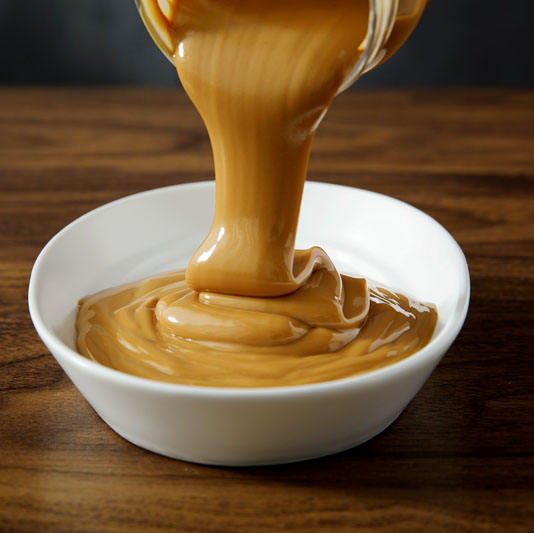
1. قبل تاريخ زبدة الفول السوداني: أصول الفول السوداني (3,000+ منذ سنوات)
يبدأ تاريخ زبدة الفول السوداني قبل فترة طويلة من المصانع, تحميص النباتات, أو كانت المطاحن موجودة. يبدأ بالفول السوداني -أراكيس نقص التعرق- محصول موطنه الأصلي قلب أمريكا الجنوبية. تظهر الأبحاث الأثرية في بيرو أن الفول السوداني مدفون في مقابر يعود تاريخها إلى أكثر من 3,000 سنين, غالبًا ما يتم رسمها أو نحتها في الفخار الاحتفالي.
قامت الحضارات المبكرة بزراعة الفول السوداني لأنه كان كذلك:
- عالية في الطاقة
- سهل التخزين
- مقاومة في المناخات المختلفة
- مفيد لكل من الغذاء والدواء
بينما لم يكن هناك تاريخ لزبدة الفول السوداني بعد, قامت مجتمعات أمريكا الجنوبية القديمة بطحن الفول السوداني وتحويله إلى معاجين سميكة للصلصات وخلطها مع التوابل, الأعشاب, أو دقيق الذرة. كانت معاجين الفول السوداني المبكرة بمثابة خطوة تطورية مبكرة نحو الدهن الكريمي الذي نعرفه اليوم.
اليوم, ماكينات زبدة الفول السوداني وخطوط الإنتاج مؤتمتة وذات كفاءة عالية.
2. الهجرة العالمية للفول السوداني: المحصول الذي سافر حول العالم
ربما كان الفول السوداني سيظل طعامًا إقليميًا إلى الأبد لولا طرق التجارة العالمية. في القرن السادس عشر, جلب المستكشفون الأوروبيون الفول السوداني من أمريكا الجنوبية إلى أفريقيا, الهند, الصين, وجنوب شرق آسيا. هناك, ازدهر الفول السوداني وسرعان ما تم دمجه في المطبخ المحلي.
في جميع أنحاء أفريقيا
الفول السوداني, يسمى "الفول السوداني,"أصبحت جزءًا من الحساء, يطبخ, والصلصات. غالبًا ما كانت العائلات تطحنها إلى معاجين للطهي - تشبه "زبدة" الفول السوداني المبكرة.
في الصين وجنوب شرق آسيا
دخل الفول السوداني المقلية, الشعرية, وتغميس الصلصات, تشكيل جذور الأطباق مثل صلصة الساتاي.
في الهند
ظهر الفول السوداني المطحون في الوجبات الخفيفة, الكاري, والصلصات.
مهد هذا الانتشار العالمي الطريق لاختراع زبدة الفول السوداني بعد قرون. بحلول القرن التاسع عشر, لقد أصبح الفول السوداني عنصرًا أساسيًا في جميع أنحاء العالم، لكن التحول إلى منتج تجاري لم يبدأ بعد.
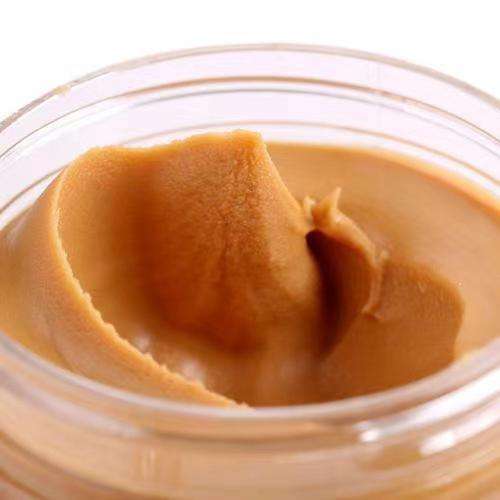
3. القرن التاسع عشر: عندما بدأت زبدة الفول السوداني حقا
يرتبط إنشاء زبدة الفول السوداني كما نعرفها اليوم بسلسلة من الابتكارات الطبية, اختراقات صناعية, واكتشافات علوم الغذاء.
3.1. زبدة الفول السوداني كغذاء صحي
في أواخر القرن التاسع عشر, يحتاج الأشخاص الذين يعانون من مشاكل في الأسنان أو صعوبات في المضغ إلى مادة ناعمة, بديل مغذي للحوم. ألهم هذا الطلب المخترعين والأطباء لتجربة معاجين البروتين النباتية.
3.2. دكتور. جون هارفي كيلوج: أول براءة اختراع رسمية لزبدة الفول السوداني (1895)
وصلت نقطة التحول 1895, عندما د. جون هارفي كيلوج – نعم, مخترع رقائق الذرة – حصل على براءة اختراع لطريقة لإنتاج عجينة الفول السوداني الناعمة. كان منتجه مخصصًا للمرضى في مصحته الذين يحتاجون إلى بروتين غني, طعام سهل الهضم.
كانت نسخة كيلوج:
- 100% طبيعي
- مصنوعة من الفول السوداني على البخار
- خالية من المواد المضافة
- يقدم كغذاء صحي
كان هذا أول تاريخ زبدة الفول السوداني الحديث, على الرغم من أنه كان لا يزال غذاءً طبيًا وليس منتجًا رئيسيًا.
3.3. جورج واشنطن كارفر: العبقرية الزراعية
رغم أنه لم يخترع زبدة الفول السوداني, أحدثت أبحاث كارفر ثورة في زراعة الفول السوداني. قام بترويج الفول السوداني كمحصول مستدام وخلقه زيادة 300 المنتجات المشتقة من الفول السوداني, مساعدة الفول السوداني - وفي النهاية زبدة الفول السوداني - على النمو لتصبح صناعة زراعية كبرى في الولايات المتحدة.
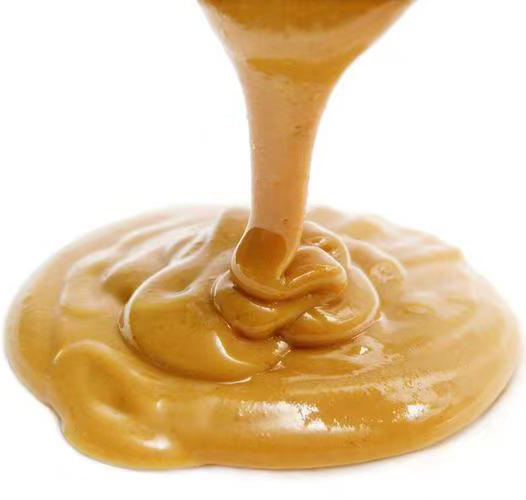
4. 1904: المعرض العالمي الذي غيّر كل شيء
السنة 1904 يمثل "الظهور العلني" لزبدة الفول السوداني. بائع أغذية في St. قدم معرض لويس العالمي زبدة الفول السوداني على البسكويت, وأحبته الجماهير. النكهة كانت جديدة, كان الملمس مثيرا, وكانت الفوائد الصحية مثيرة للإعجاب في ذلك العصر.
هذا الحدث:
- قدمت زبدة الفول السوداني للملايين
- أثار الطلب على الصعيد الوطني
- شجعت شركات الأغذية على البدء في الإنتاج الضخم
من هذه اللحظة, أصبحت زبدة الفول السوداني جزءًا من الثقافة الغذائية الأمريكية.
5. صناعة زبدة الفول السوداني: آلات, ابتكار, والإنتاج الضخم
بمجرد أن انفجر الطلب, انتقلت زبدة الفول السوداني من المطابخ وورش العمل الصغيرة إلى البيئات الصناعية الحديثة.
5.1. إنتاج أوائل القرن العشرين
بدأ المصنعون في استخدام:
- آلات تحميص الفول السوداني الميكانيكية
- المطاحن الصناعية
- تقنيات تثبيت الزيت
- ماكينات تعبئة اتوماتيكية
جعلت هذه الآلات المبكرة زبدة الفول السوداني أكثر اتساقًا ومتاحة على نطاق أوسع من أي وقت مضى.
5.2. اختراق الهدرجة (1920ق)
كانت المشكلة الفنية الرئيسية في زبدة الفول السوداني المبكرة هي فصل الزيت. سيرتفع زيت الفول السوداني إلى الأعلى, تتطلب التحريك قبل الاستخدام.
في العشرينيات, قدم العلماء الهدرجة الجزئية, مما أدى إلى استقرار زيت الفول السوداني وجعل المنتج أكثر سلاسة ويدوم لفترة أطول. أدى هذا الابتكار إلى ظهور زبدة الفول السوداني الكريمية التي تباع في محلات السوبر ماركت اليوم.
5.3. الحرب العالمية الثانية: زبدة الفول السوداني أصبحت عالمية
خلال الحرب, أصبحت زبدة الفول السوداني مصدرًا استراتيجيًا للمغذيات:
- خفيف الوزن
- عالية السعرات الحرارية
- مستقرة على الرف
- غني بالبروتين
حملها الجنود, اشترته العائلات, وروجت له الحكومة الأمريكية كغذاء أساسي. بعد الحرب, انتشرت زبدة الفول السوداني دوليًا من خلال النفوذ التجاري والعسكري, تدريجيا لتصبح منتجا عالميا.
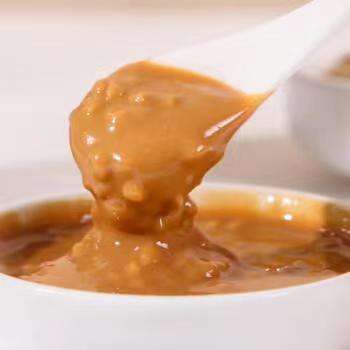
6. العصر الحديث: زبدة الفول السوداني تصبح صناعة عالمية
اليوم, لم تعد زبدة الفول السوداني مجرد مادة قابلة للدهن، بل أصبحت تجارة دولية ومكونًا أساسيًا في عدد لا يحصى من الأطعمة.
تستخدم الآن زبدة الفول السوداني في:
- العصائر
- وجبات خفيفة من البروتين
- بوظة
- منتجات المخابز
- الحلويات
- الصلصات والمخللات
- قضبان التغذية
ويستمر الاستهلاك العالمي في النمو لأن الناس يريدون:
- البروتين النباتي
- الدهون الصحية
- أطعمة طاقة مريحة
- التغذية بأسعار معقولة
وقد أدى هذا الطلب إلى تحويل إنتاج زبدة الفول السوداني إلى صناعة متقدمة للغاية وتنافسية مدعومة بخطوط المعالجة الآلية.
7. كيف يتم صنع زبدة الفول السوداني اليوم: مزيج من علوم وهندسة الأغذية
يعتمد إنتاج زبدة الفول السوداني الحديث على الآلات الدقيقة المصممة للنظافة, تناسق, والكفاءة.
وإليك كيفية عمل خط الإنتاج الحديث:
1. التنظيف والفرز
إزالة الحجارة, تراب, والمواد الأجنبية تضمن سلامة الغذاء.
2. تحميص
يتم تحميص الفول السوداني في درجات حرارة يمكن التحكم فيها لخلق رائحة ونكهة.
3. التبريد وإزالة الجلد
يقوم المبيضون بإزالة الجلد الأحمر وفصل الحبات.
4. طحن
تعمل المطاحن عالية السرعة على تحويل الفول السوداني إلى ملمس ناعم أو مقرمش.
5. صياغة
المكونات مثل السكر, ملح, المثبتات, أو تتم إضافة المستحلبات بناء على الوصفة.
6. التجانس
يخلق تناسقًا موحدًا ويمنع انفصال الزيت.
7. ملء وتعبئة
آلات أوتوماتيكية تملأ الجرار, أكواب, أكياس, أو حاويات السوائب بدقة عالية.
8. ضبط الجودة
اختبار ل:
- نكهة
- نَسِيج
- السلامة الميكروبيولوجية
- محتوى الدهون
- استقرار الرف
زبدة الفول السوداني اليوم هي نتيجة عقود من التحسينات الهندسية, مما يسمح للمصنعين بإنتاج آلاف الكيلوجرامات في الساعة بجودة مستقرة.
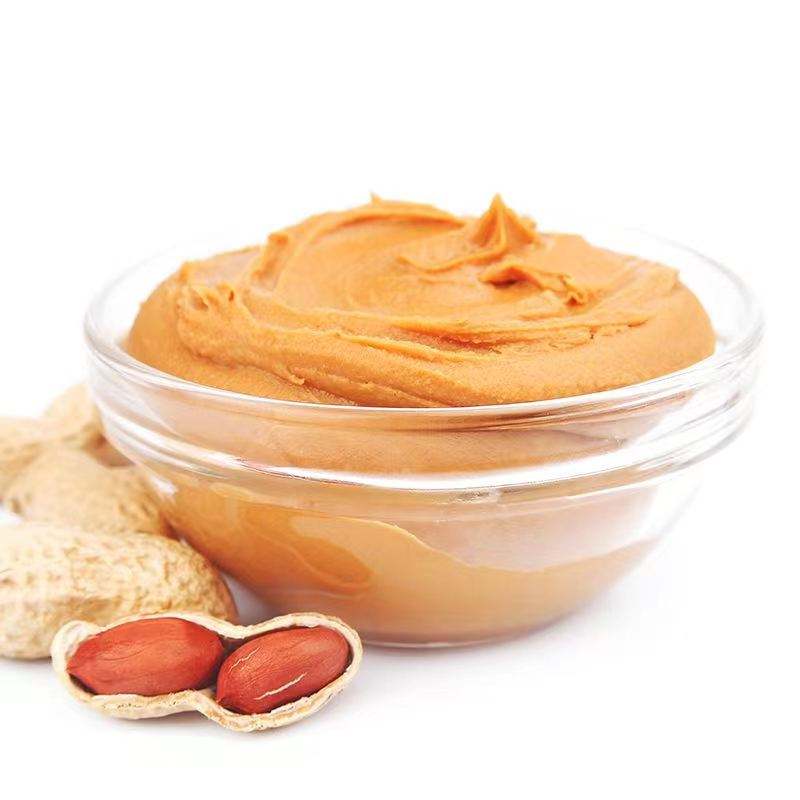
8. التطور الثقافي: كيف أصبحت زبدة الفول السوداني أيقونة عالمية
على الرغم من أنها أمريكية الأصل, لقد طورت زبدة الفول السوداني الآن هويات ثقافية في عشرات البلدان.
الولايات المتحدة
زبدة الفول السوداني هي إحدى الأطعمة الكلاسيكية في مرحلة الطفولة - PB&سندويشات J, ملفات تعريف الارتباط, الكعك, أوعية الإفطار.
آسيا
تستخدم ل:
- صلصات وعاء ساخن
- ساتاي الانخفاضات
- نودلز
- الحلويات
أوروبا
تحظى بشعبية متزايدة بين مجتمعات اللياقة البدنية والنباتيين.
أمريكا اللاتينية
مدمج في الحلويات, ينتشر, ووصفات منزلية.
تستمر زبدة الفول السوداني في التطور مع اتجاهات جديدة مثل:
- زبدة الفول السوداني العضوية
- زبدة الفول السوداني الخالية من السكر
- زبدة الفول السوداني عالية البروتين
- وجبات خفيفة من زبدة الفول السوداني
- مساحيق زبدة الفول السوداني
إن تنوعها يضمن أهميتها في المستقبل.
9. لماذا لا تزال زبدة الفول السوداني شعبية؟: منظور غذائي
زبدة الفول السوداني ليست لذيذة فحسب، بل إنها ذات قيمة علمية.
لكل وجبة, تحتوي زبدة الفول السوداني:
- بروتين عالي الجودة
- الدهون الصحية الأحادية غير المشبعة
- فيتامين ه
- المغنيسيوم
- البوتاسيوم
- فيتامينات ب
- الألياف الغذائية
- مضادات الأكسدة
وهو يدعم:
- صحة القلب
- نمو العضلات
- إدارة الوزن
- الأنظمة الغذائية النباتية
- طاقة طويلة الأمد
تساعد هذه العوامل في تفسير سبب احتفاظ زبدة الفول السوداني بهذا الطلب العالمي القوي.
10. حقائق رائعة عن زبدة الفول السوداني
- تحتوي الجرة المتوسطة على 540 الفول السوداني.
- زيادة 700 مليون جنيه من زبدة الفول السوداني يتم استهلاكها سنويًا في الولايات المتحدة. وحيد.
- اخترع طفل يبلغ من العمر 12 عامًا أول مزيل قشرة شطيرة زبدة الفول السوداني والجيلي.
- استهلك رواد الفضاء زبدة الفول السوداني في المهمات الفضائية.
- زبدة الفول السوداني متوفرة في أكثر من 90 بلدان اليوم.
11. قسم الأسئلة الشائعة
متى تم اختراع زبدة الفول السوداني?
تم إصدار أول براءة اختراع حديثة لزبدة الفول السوداني في 1895 إلى د. جون هارفي كيلوج.
من اكتشف الفول السوداني?
نشأ الفول السوداني في حضارات أمريكا الجنوبية القديمة 3,000 منذ سنوات.
هل زبدة الفول السوداني صحية?
نعم. زبدة الفول السوداني الطبيعية غنية بالبروتين, الدهون الصحية, الفيتامينات, والمعادن.
كيف يتم إنتاج زبدة الفول السوداني اليوم?
من خلال خطوط آلية تتضمن التحميص, طحن, التجانس, وآلات التعبئة والتغليف.
لماذا تحظى زبدة الفول السوداني بشعبية كبيرة على مستوى العالم؟?
لأنه بأسعار معقولة, مغذية, متنوع القدرات, ومناسب للأنظمة الغذائية الحديثة.
من الحقول القديمة إلى المصانع المتقدمة
قصة زبدة الفول السوداني هي قصة الابتكار البشري.
لقد تطورت من معاجين الفول السوداني القديمة في أمريكا الجنوبية إلى واحدة من أكثر المنتجات الغذائية شهرة في العالم، وذلك بفضل المخترعين., العلماء, المزارعين, وتكنولوجيا الإنتاج الحديثة.
اليوم, تمثل زبدة الفول السوداني:
- مصدر قوي للتغذية
- رمزا للإبداع الطهي
- انتصار للهندسة الغذائية
- صناعة عالمية تدعمها الآلات المتطورة