مقدمة: لماذا تعتبر المكرونة سريعة التحضير مهمة؟
تعتبر المكرونة سريعة التحضير واحدة من أكثر المنتجات الغذائية شهرة واستهلاكًا في العالم. سريع, غير مكلفة, ومرضية, أنها بمثابة وجبة أساسية في جميع أنحاء آسيا, أفريقيا, أوروبا, والأمريكتين. سواء كانت وجبة خفيفة للطالب في منتصف الليل أو وجبة للمسافر, أحدثت المكرونة سريعة التحضير ثورة في استهلاك الغذاء العالمي.
تقدم هذه المقالة نظرة عميقة على أنواع, عملية التصنيع, التعبئة والتغليف, تَغذِيَة, و تطور من المكرونة سريعة التحضير – من بداياتها المتواضعة في اليابان إلى أن أصبحت صناعة تبلغ قيمتها مليارات الدولارات.
1. الأصل والارتفاع العالمي للمكرونة سريعة التحضير
1.1 اختراع المكرونة سريعة التحضير
تم اختراع المكرونة سريعة التحضير في 1958 بواسطة موموفوكو أندو, مؤسس شركة Nissin Foods في اليابان. منتجه الأول, ”رامن الدجاج," كانت عبارة عن كعكة شعيرية مقلية بالزيت ومليئة بالتوابل.
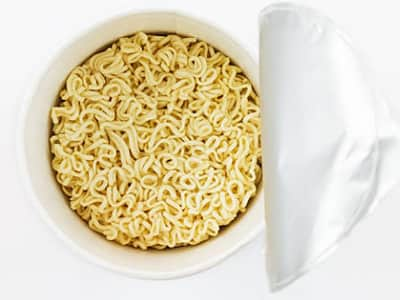
في 1971, أطلق الأول في العالم كوب شعرية, تغيير الطريقة التي يتم بها استهلاك المعكرونة، حيث لا يتطلب الأمر سوى الماء الساخن وبضع دقائق للتحضير.
1.2 المعكرونة الفورية حول العالم
سرعان ما أصبحت المكرونة سريعة التحضير ذات شعبية كبيرة في جميع أنحاء العالم بسبب خصائصها:
- مدة صلاحية طويلة
- تكلفة معقولة
- الحد الأدنى من وقت التحضير
اليوم, الاستهلاك العالمي يتجاوز 120 مليار حصص سنويا, وفقا للجمعية العالمية للمعكرونة سريعة التحضير (آخر).
2. أنواع المكرونة سريعة التحضير
2.1 بواسطة طريقة المعالجة
| يكتب | وصف |
|---|---|
| المعكرونة الفورية المقلية | مقلي للجفاف والنكهة; نسيج مقرمش |
| المعكرونة الفورية غير المقلية | مجفف بالهواء أو مطهو على البخار; انخفاض الدهون, بديل أكثر صحة |
| نودلز جاهزة على البخار | تباع المعكرونة الرطبة في شكل مبرد; شائع في الرامن الطازج |
2.2 بواسطة تنسيق التغليف
| نوع التغليف | تفاصيل |
|---|---|
| المعكرونة المعبأة | الشكل التقليدي, يتطلب وعاء أو وعاء |
| كوب / وعاء المعكرونة | يأتي في الحاوية الخاصة به, فقط أضف الماء الساخن |
| صواني قابلة للميكروويف | معبأة للتسخين والاستهلاك بالميكروويف |
2.3 حسب النكهة والمنطقة
| منطقة | النكهات المميزة |
|---|---|
| الصين | مرق لحم البقر, خضار مخللة, لحم خنزير حار |
| اليابان | تونكاتسو, أنا الصفصاف, رامين ميسو |
| كوريا | الكيمتشي, نودلز نار بالجبن, يخنة الجيش |
| جنوب شرق آسيا | توم يم, لاكسا, الروبيان, الجير الحامض |
| الأسواق الغربية | دجاج بالكريمة, يخنة لحم البقر, لحم خنزير مقدد & جبن |
3. عملية تصنيع المعكرونة الفورية
3.1 المكونات الأساسية
- دقيق القمح أو دقيق الأرز
- العوامل الملحية والقلوية
- ماء
- زيت نباتي (للقلي)
- إضافات: الفيتامينات, معززات النكهة, تلوينات
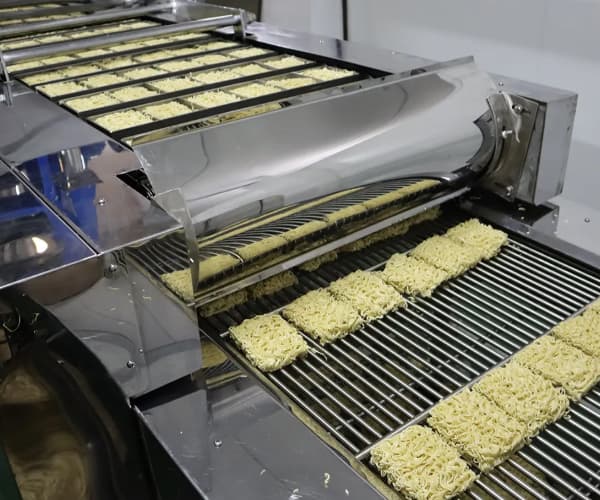
3.2 مراحل الإنتاج (للنودلز المقلية)
- خلط العجين - تعجن المكونات للحصول على عجينة متماسكة
- الأغطية & المتداول - تُفرد العجينة إلى شرائح رفيعة
- تبخير – مطبوخ بالبخار لتجلتن النشا
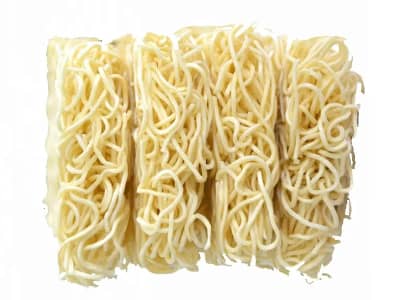
- قطع & التلويح - على شكل خيوط مجعدة
- القلي – يتم تجفيفه عن طريق القلي العميق في زيت النخيل عند درجة حرارة تصل إلى 160 درجة مئوية
- تبريد - تبريد الهواء إلى درجة حرارة الغرفة
- تحضير عبوة التوابل – مسحوق البهارات, صلصة, الخضار
- التغليف – الختم الآلي في الأكياس, أكواب, أو الأطباق
تتخطى المعكرونة غير المقلية مرحلة القلي وتخضع للتجفيف الممتد في أنفاق الهواء الساخن.
4. التعبئة والتغليف ومدة الصلاحية
يلعب التغليف دورًا حاسمًا في سلامة المعكرونة سريعة التحضير, نضارة, وراحة المستهلك.
4.1 أنواع التغليف
| يكتب | فوائد |
|---|---|
| حزمة وسادة بلاستيكية | غير مكلفة, سريع في الإنتاج |
| كوب ورقي بغطاء فويل | آمن للاستخدام في الميكروويف, مريحة أثناء التنقل |
| عبوات رقائق الألومنيوم | مدة صلاحية أطول, الاحتفاظ بالرائحة |
| التغليف البيئي (ورق/فيلم قابل للتحلل) | مستمر, خيار قابل للتسويق |
4.2 مدة الصلاحية
- نودلز مقلية: 6-12 شهرا
- الشعرية غير المقلية: 3-6 أشهر
- قد تحتوي أكياس التوابل على ماصات للأكسجين لإطالة العمر
5. اعتبارات التغذية والصحة
5.1 الملف الغذائي
تحتوي حصة المعكرونة الفورية النموذجية على:
- الكربوهيدرات: 40-60 جرام
- الدهون: 12-20 جرام (في الغالب من القلي)
- الصوديوم: 800-1800 ملغ (عالية في كثير من الأحيان)
- بروتين: 6-10 جرام
5.2 المفاهيم الصحية الخاطئة
خرافة: "المكرونة سريعة التحضير غير صحية."
الواقع: الاعتدال هو المفتاح. العديد من المنتجات الحديثة:
- غير مقلية وقليلة الدسم
- مدعم بالفيتامينات (ب, د, حديد)
- مصنوعة من القمح الكامل, الكينوا, أو دقيق الشوفان
- يتم تقديمه مع خيارات منخفضة الصوديوم أو خالية من الغلوتامات أحادية الصوديوم (MSG).
5.3 إضافات صحية
لتحسين التغذية, يضيف:
- بيض مسلوق
- الخضار الطازجة أو المجمدة
- التوفو, فرخة, أو الأسماك
- الكيمتشي, أعشاب بحرية, أو بذور السمسم
6. اتجاهات السوق وتفضيلات المستهلك
6.1 السوق العالمية
- منطقة آسيا والمحيط الهادئ هي أكبر قاعدة استهلاكية
- تعد أفريقيا وأمريكا الجنوبية من الأسواق الأسرع نموًا
- من المتوقع أن تتجاوز الإيرادات العالمية دولار أمريكي 50 مليار بواسطة 2030
6.2 اتجاهات المستهلك
- كوب شعرية تكتسب شعبية بين الشباب في المناطق الحضرية
- الطلب على خيارات نباتية / خالية من الغلوتين آخذ في الارتفاع
- النمو في رامين ممتاز مع طبقة اللحوم الحقيقية
- زيادة في صناديق الاشتراك في المعكرونة الفورية عبر الإنترنت
7. أفضل ماركات المعكرونة الفورية (2024)
| رتبة | اسم العلامة التجارية | دولة |
|---|---|---|
| 1 | نيسين | اليابان |
| 2 | سيد كونغ | الصين |
| 3 | ساميانغ | كوريا الجنوبية |
| 4 | نونجشيم | كوريا الجنوبية |
| 5 | اندومي | أندونيسيا |
| 6 | ماجي | سويسرا |
| 7 | ماما | تايلاند |
| 8 | أ-شا | تايوان |
| 9 | اسيكوك | فيتنام |
| 10 | نودلز الدمية | هونج كونج |
8. الابتكارات في صناعة المعكرونة الفورية
- خطوط التعبئة والتغليف المتكاملة بالذكاء الاصطناعي مع الكشف عن الجودة في الوقت الحقيقي
- تقنية المعكرونة قليلة الزيت والمقلية بالهواء
- المكرونة سريعة التحضير النباتية (البازلاء, حمص, دقيق العدس)
- التعبئة البيئية الصالحة للأكل (أفلام الأعشاب البحرية)
- علب المعكرونة الفورية ذاتية التسخين للأسواق الخارجية
- 3أشكال المعكرونة المطبوعة على شكل حرف D وحزم التغذية الشخصية
9. المعكرونة الفورية والتأثير الثقافي
- في كوريا الجنوبية, المكرونة سريعة التحضير هي رمز ثقافي, غالبًا ما يتم إقرانها مع الكيمتشي وتظهر في الدراما الكورية.
- اليابان حتى أطلقت ”رامين الفضاء“ لرواد الفضاء على متن محطة الفضاء الدولية.
- في الصين, السفر بالسكك الحديدية والمعكرونة سريعة التحضير لا ينفصلان.
- نيجيريا و الهند الاعتماد على الشعرية كغذاء يومي رخيص الثمن, وخاصة للطلاب والعاملين.
خاتمة: المعكرونة سريعة التحضير – أكثر من مجرد وجبة خفيفة
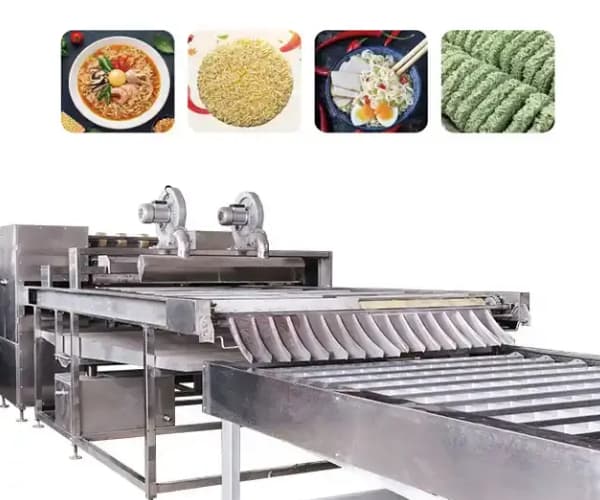
المكرونة سريعة التحضير هي مزيج رائع من العلم, راحة, والثقافة. سواء تم إنتاجها على نطاق واسع خط الانتاج الصناعي أو الاستمتاع بها في كوخ جبلي بعيد مع ترمس من الماء الساخن, المكرونة سريعة التحضير تظل ذات صلة, تتطور, والحبيب.
قدرتها على التكيف — في الشكل, نكهة, ووظيفتها - تجعلها واحدة من أكثر المنتجات الغذائية ديمومة على الإطلاق.