مقدمة
يعد تجهيز الفواكه والخضروات قطاعًا حاسمًا في صناعة الأغذية العالمية. ويضمن مدة صلاحية أطول, يعزز سلامة الأغذية, ويقلل من خسائر ما بعد الحصاد. مع تزايد طلب المستهلكين على المنتجات الغذائية الجاهزة للأكل والغنية بالعناصر الغذائية, لقد نمت أهمية هذه الصناعة بشكل كبير. في هذه المقالة, سنستكشف جوانب مختلفة من معالجة الفواكه والخضروات باستخدام موضوعات فرعية مفصلة بما في ذلك الطرق, الآلات, الاتجاهات, والفوائد.
ما هو تجهيز الفواكه والخضروات?
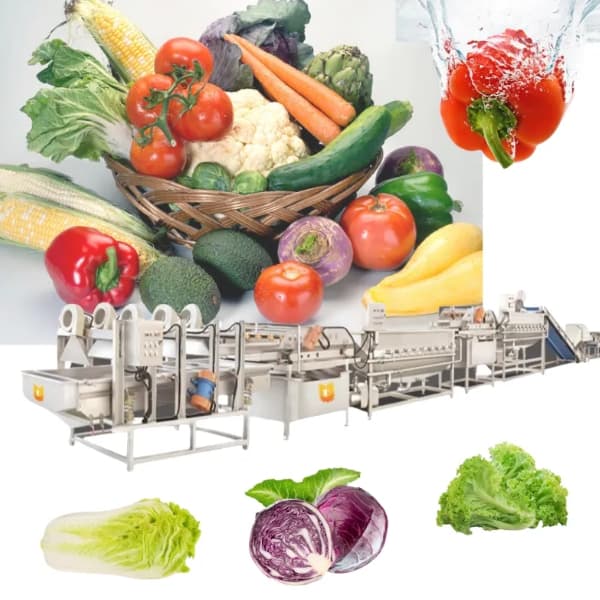
تشير معالجة الفواكه والخضروات إلى مجموعة من العمليات الميكانيكية, بدني, والتقنيات الكيميائية المستخدمة لتحويل المنتجات الخام إلى منتجات ذات مدة صلاحية ممتدة أو ذات قيمة مضافة. يمكن أن يشمل ذلك تقنيات بسيطة مثل الغسيل والقطع, أو إجراءات معقدة مثل التعليب, تجميد, تجفيف, أو التخمير.
تشمل أهداف تجهيز الفواكه والخضروات:
- الحفاظ على العناصر الغذائية
- تعزيز الطعم والمظهر
- جعل المنتجات أكثر ملاءمة للمستهلكين
- تمديد مدة الصلاحية
- إضافة قيمة اقتصادية
معالجة ما بعد الحصاد للفواكه والخضروات
تشمل معالجة ما بعد الحصاد جميع الأنشطة التي تحدث مباشرة بعد حصاد المنتج. تعتبر هذه المرحلة حيوية لأن معظم الفواكه والخضروات سريعة التلف ويمكن أن تتحلل بسرعة إذا لم يتم التعامل معها بشكل صحيح.
الخطوات الرئيسية في تجهيز ما بعد الحصاد:
- الفرز والتصنيف: إزالة المنتجات التالفة أو الناضجة
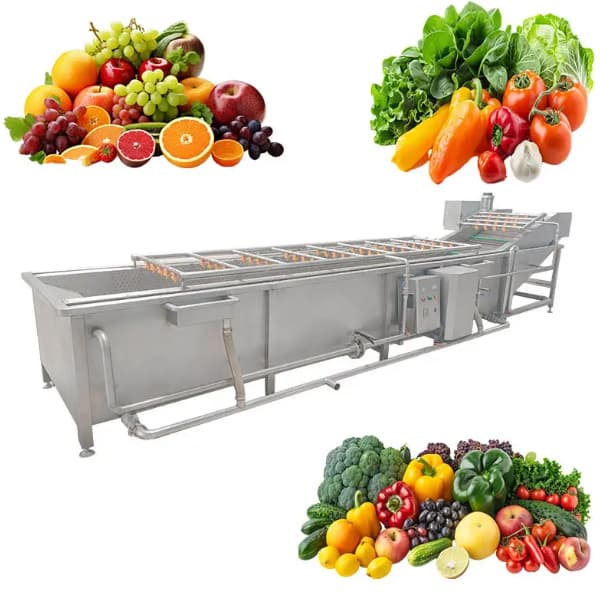
- التنظيف والغسيل: القضاء على الأوساخ, المبيدات, والملوثات
- تبريد: تخفيض سريع لدرجة الحرارة للحفاظ على النضارة
- التغليف: حماية المنتجات وإعدادها للتوزيع
يمكن لممارسات ما بعد الحصاد الفعالة أن تقلل من الخسائر بقدر ما 30% في بعض المناطق.
تقنيات حفظ الفواكه والخضروات
تلعب طرق الحفظ دورًا محوريًا في الحفاظ على جودة الفواكه والخضروات. تختلف هذه التقنيات بناءً على نوع المنتج والمنتج النهائي المطلوب.
1. التعليب والتعبئة
تتضمن هذه الطريقة حفظ الفواكه أو الخضروات في حاويات محكمة الإغلاق وتسخينها لتدمير الكائنات الحية الدقيقة. تشمل السلع المعلبة الشائعة الطماطم, الخوخ, والفاصوليا الخضراء.
2. التجميد
يؤدي التجميد إلى إبطاء النشاط الأنزيمي ونمو الميكروبات. إنه مثالي لمنتجات مثل التوت, البازلاء, والذرة الحلوة.
3. الجفاف والتجفيف
تؤدي إزالة الرطوبة من المنتجات إلى زيادة مدة الصلاحية بشكل كبير. الفواكه المجففة مثل المشمش, الموز, والتفاح يحظى بشعبية كبيرة في جميع أنحاء العالم.
4. التخليل والتخمير
يستخدم التخليل المحاليل الحمضية مثل الخل, بينما يستخدم التخمير البكتيريا الطبيعية لتعزيز النكهة والحفظ. وتشمل الأمثلة مخلل الملفوف والكيمتشي.
5. التعبئة الفراغية
تعمل هذه الطريقة الحديثة على إزالة الأكسجين من العبوة لإبطاء الفساد وإطالة فترة النضارة.
معدات وآلات تجهيز الفواكه والخضروات
المعالجة الحديثة للفواكه والخضروات يعتمد بشكل كبير على الآلات لزيادة الكفاءة وضمان النظافة.
الآلات الشائعة المستخدمة:
- بطيئين: قم بتسخين المنتج بسرعة قبل إجراء المزيد من المعالجة
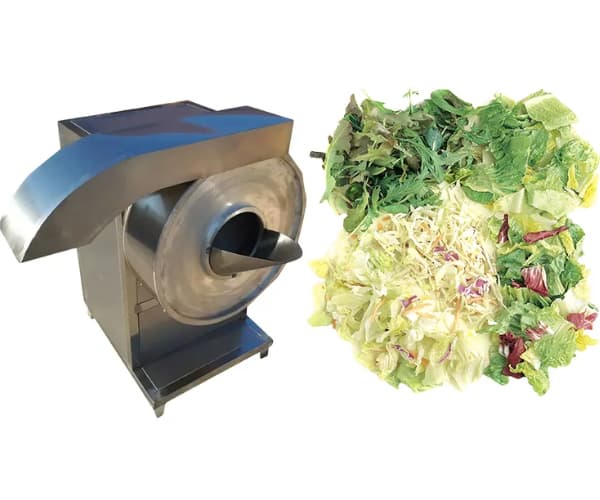
- مقشرات وقطاعات: ميكنة عمليات القطع
- الخلاطات والمتجانسات: يستخدم في إنتاج الهريس أو العصير
- المعقمات والبسترة: قتل الميكروبات الضارة
- المجففات: لإزالة الرطوبة
- ماكينات التعبئة والتغليف: لختم الفراغ أو التغليف البلاستيكي
يتم دمج الأتمتة والروبوتات بشكل متزايد في خطوط المعالجة لتعزيز الإنتاجية والحفاظ على الجودة المتسقة.
مصانع معالجة الفواكه والخضروات الصناعية
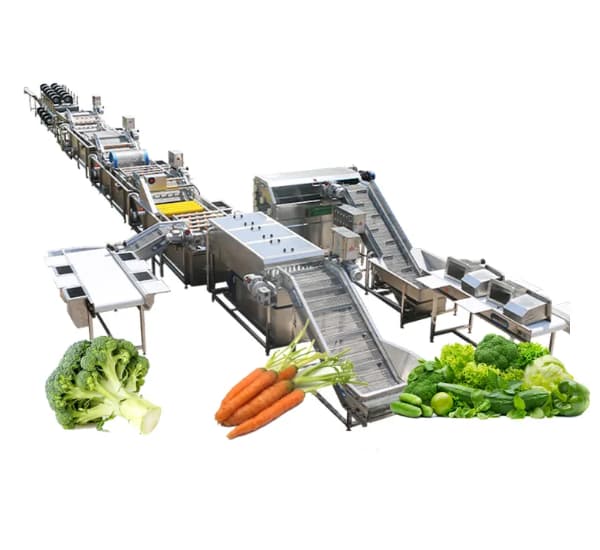
تم تصميم مصانع معالجة الفواكه والخضروات واسعة النطاق للتعامل مع كميات كبيرة من المنتجات بكفاءة.
مميزات المصانع الصناعية:
- ناقلات ذات قدرة عالية وغسالات آلية
- أنظمة المراقبة المستمرة لمراقبة الجودة
- أنظمة إدارة النفايات للقشور, البذور, والمواد غير المستخدمة
- وحدات التخزين البارد والتحكم في المناخ
- خطوط تعبئة متطورة للمنتجات الجاهزة للبيع بالتجزئة
تقوم الصناعات بمعالجة المنتجات الخام وتحويلها إلى فواكه معلبة, الخضروات المجمدة, الصلصات, الحساء, العصائر, أغذية الأطفال, و اكثر.
إدارة سلسلة التبريد في معالجة الخضروات والفواكه
أ سلسلة باردة هي سلسلة توريد يتم التحكم في درجة حرارتها وهي ضرورية للحفاظ على النضارة من المزرعة إلى المائدة.
أهمية السلسلة الباردة:
- يمنع التلف ونمو الميكروبات
- يحافظ على الملمس, لون, والقيمة الغذائية
- يضمن الامتثال للوائح سلامة الأغذية
تشمل مكونات سلسلة التبريد النقل المبرد, مرافق التخزين البارد, وتقنيات مراقبة درجة الحرارة.
منتجات الفواكه والخضروات ذات القيمة المضافة
لا تقتصر المعالجة على المعلبات فحسب، بل تحول أيضًا الفواكه والخضروات إلى منتجات ذات قيمة مضافة, زيادة جاذبيتها في السوق.
منتجات ذات قيمة مضافة شعبية:
- عصائر الفاكهة والعصائر
- وجبات خفيفة من الخضروات المجففة
- مربيات, الهلام, ومربى البرتقال
- خلطات خضار مجمدة جاهزة للطهي
- وجبات خفيفة من الفواكه المجففة مثل الزبيب أو رقائق الموز
تلبي هذه المنتجات احتياجات المستهلكين المهتمين بالصحة والذين يبحثون عن الراحة دون المساس بالتغذية.
الاتجاهات والابتكارات في تجهيز الفواكه والخضروات
يستمر قطاع تجهيز الفواكه والخضروات في التطور مع طلب المستهلكين والتقدم التكنولوجي.
الاتجاهات الرئيسية:
- منتجات التسمية النظيفة: الحد الأدنى من المواد المضافة أو المواد الحافظة
- التغليف المستدام: مواد قابلة للتحلل وإعادة التدوير
- الابتكار الغذائي النباتي: الفواكه والخضروات كبدائل اللحوم
- إنترنت الأشياء والذكاء الاصطناعي في مصانع المعالجة: مراقبة في الوقت الحقيقي لضمان الجودة
- الأطعمة العضوية والمعالجة بالحد الأدنى
تستثمر الشركات الناشئة والشركات القائمة بكثافة في R&د لتقديم صحة أفضل, ألذ, ومنتجات أكثر استدامة.
فوائد تجهيز الفواكه والخضروات
هناك العديد من المزايا لمعالجة الفواكه والخضروات, تؤثر على المزارعين, المستهلكين, والبيئة.
للمزارعين:
- يقلل من خسائر ما بعد الحصاد
- يوسع الوصول إلى الأسواق
- يوفر استقرار الدخل
للمستهلكين:
- توافر المنتجات الموسمية على مدار السنة
- الراحة وتقليل وقت الإعداد
- تعزيز سلامة الأغذية والنظافة
للاقتصاد:
- يولد فرص العمل
- يدعم الصادرات الغذائية
- يعزز الأمن الغذائي
التحديات في صناعة تجهيز الفواكه والخضروات
على الرغم من مزاياها, تواجه الصناعة العديد من التحديات التي تتطلب حلولاً استراتيجية.
التحديات الكبرى:
- ارتفاع تكاليف الاستثمار الأولي لمرافق المعالجة
- نقص البنية التحتية في المناطق النامية
- الطبيعة القابلة للتلف للمواد الخام
- لوائح صارمة لسلامة الأغذية
- الطلب الاستهلاكي على الطبيعية, منتجات خالية من المواد الحافظة
ومعالجة هذه التحديات تتطلب الابتكار, الدعم الحكومي, وتحسين إدارة سلسلة التوريد.
معالجة الفواكه والخضروات على نطاق صغير وفي المنزل
لا تتم جميع عمليات المعالجة في المنشآت الصناعية الكبيرة. وتلعب المؤسسات المنزلية والصغيرة الحجم أيضًا دورًا مهمًا.
فوائد المعالجة على نطاق صغير:
- انخفاض رأس المال الاستثماري
- توليد الدخل للمجتمعات الريفية
- التوفر المحلي للأغذية المحفوظة
- مخصص, المنتجات الغذائية الحرفية
يقوم العديد من رواد الأعمال بإنتاج المخللات, الفواكه المجففة, والمربيات كجزء من الصناعات المنزلية, خاصة في دول مثل الهند, كينيا, والفلبين.
ممارسات مستدامة وصديقة للبيئة في المعالجة
أصبحت المسؤولية البيئية جزءًا أساسيًا من استراتيجيات تصنيع الأغذية.
تشمل الممارسات المستدامة:
- مجففات تعمل بالطاقة الشمسية
- تسميد بقايا الطعام والقشور
- إعادة تدوير المياه في محطات المعالجة
- استخدام العبوات القابلة للتحلل
- المصادر المحلية لتقليل البصمة الكربونية
مثل هذه الممارسات لا تقلل من التأثير البيئي فحسب، بل إنها تجذب أيضًا المستهلكين المهتمين بالبيئة.
مراقبة الجودة وسلامة الأغذية في المنتجات المصنعة
إن ضمان السلامة والحفاظ على الجودة أمران غير قابلين للتفاوض في معالجة الفواكه والخضروات.
تدابير مراقبة الجودة:
- الاختبارات الميكروبية المنتظمة
- مراقبة درجة الحرارة والرطوبة
- عمليات تدقيق النظافة والشهادات
- إجراءات التشغيل القياسية (SOPS)
- أنظمة التتبع لعمليات الاسترجاع والتتبع
شهادات سلامة الغذاء مثل HACCP (تحليل المخاطر ونقاط التحكم الحرجة) و ايزو 22000 غالبًا ما تكون مطلوبة للتصدير والتجزئة.
مستقبل تجهيز الفواكه والخضروات
مستقبل الصناعة واعد, مدعومة بالابتكار والتحول العالمي نحو أنماط حياة أكثر صحة.
ماذا تتوقع:
- زيادة استخدام الروبوتات والذكاء الاصطناعي
- النمو في منتجات الفاكهة / الخضروات الوظيفية والمدعمة
- التوسع في التجارة الإلكترونية لتوصيل الأغذية المصنعة
- تطوير نماذج المعالجة الخالية من النفايات
- التكامل مع الزراعة العمودية والزراعة الحضرية
مع تقدم التكنولوجيا, سوف تصبح المعالجة أكثر كفاءة, مستمر, وصديقة للمستهلك.
خاتمة
يعد تجهيز الفواكه والخضروات حجر الزاوية في النظم الغذائية الحديثة, تقديم حلول للأمن الغذائي, الحد من النفايات, والتنمية الاقتصادية. من التجميد والتعليب إلى التقنيات المتطورة مثل الذكاء الاصطناعي والتعبئة القابلة للتحلل, الصناعة تتطور بسرعة.
سواء كنت مزارعا, رجل أعمال الغذاء, مستثمر, أو المستهلك, إن فهم تعقيدات معالجة الفواكه والخضروات أمر حيوي في عالم اليوم. كما الطلب العالمي على صحية, مريح, وينمو الغذاء المستدام, وكذلك الحال بالنسبة للفرص المتاحة في هذه الصناعة الديناميكية والأساسية.